
By Ben Kerrigan-
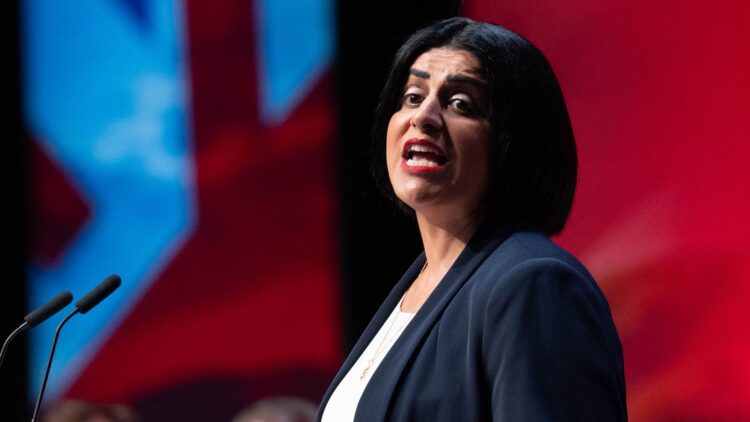
Home Secretary Shabana Mahmood announced on Suday that refugees granted protection in the United Kingdom will now be limited to a temporary 30-month status, an unprecedented move that has sent shockwaves through Westminster, humanitarian circles, and communities across the country. The announcement unveiled as part of a broader legislative push to overhaul migration rules marks the most significant change to UK asylum policy in decades and positions Britain’s centre-left government on a collision course with immigration rights advocates.
Ms. Mahmood’s policy dictates that individuals recognised as refugees will no longer receive indefinite leave to remain after five years, but instead will be issued temporary status subject to review every 30 months. After this period, officials will reassess whether the refugee’s country of origin is deemed safe; if so, they could be required to return home. This proposal forms the core of what the Home Office is calling a “restoration of control” over Britain’s borders and asylum system.

AD: Capeesh Restaurant
The new approach is inspired in part by what officials describe as “successful elements” of Denmark’s asylum model, where temporary protection and strict review processes are the norm. It comes amid political pressure from opposition parties like Reform UK and recent by-election setbacks for Labour, where critics argued that the party’s previous stances on immigration were too permissive.
While Ms. Mahmood insists that Britain remains open to people genuinely fleeing war and persecution, her critics including refugee charities, campaigners, and rival politicians argue that these changes blur the line between humane protection and punitive controls.

AD: Oysterian Sea Food Restaurant And Bar
High-profile critics such as Lord Alf Dubs a Labour peer and former child refugee himself have denounced the policy as “inhumane” and warned it could mar British values deeply rooted in offering sanctuary to the oppressed. Dubs expressed particular concern about how these measures will affect children and family reunification rights.
Legal challenges have already emerged. The charity Safe Passage International has taken the government to the high court over the suspension of the refugee family reunion scheme a key mechanism that allowed loved ones to join relatives in the UK. Critics argue the suspension undermines children’s rights and breaches equality duties.
The temporary status approach also dovetails with other elements of the government’s broader immigration reform, which includes extending the wait for indefinite leave to remain from five to up to 20 years for many migrants and tightening the criteria for settlement for many visa holders. Critics say that these combined policies will make the UK’s immigration system among the strictest in Europe.
Humanitarian groups warn that the 30-month rule could trap vulnerable refugees in limbo, forcing them into cycles of re-assessment that disrupt education, employment, healthcare access, and the ability to build stable lives. Some have likened the temporary nature of status to a conditional welcome rather than a genuine offer of protection.
Despite the uproar, the government has defended the shift as necessary in the face of record small boat crossings and soaring asylum claims in recent years statistics that have fuelled public debate about capacity, resources, and border control. Supporters of the reform argue that a more controlled and conditional approach will deter irregular migration while preserving Britain’s commitment to genuine refugees.
With those seeking refuge, the announcement has created both anxiety and uncertainty. Refugees and refugee advocates alike now face a rapidly evolving policy landscape, one that could redefine the terms of sanctuary in Britain and test the nation’s humanitarian commitments.
The legal challenges take shape and political debates intensify in the coming weeks, the 30-month limit will remain at the centre of discussions about what it means to seek refuge in the UK in the 21st century.
Across cities from Birmingham to Glasgow, community groups report a surge of worried inquiries from families unsure how the new framework will affect their futures.
With many refugees, the promise of stability has always been central to rebuilding a life interrupted by war or persecution. The prospect of having their status reassessed every two and a half years introduces a new layer of insecurity, particularly for those who have begun careers, enrolled children in schools, or signed long-term rental agreements.
Teachers and local councils are quietly asking how they can plan services when the permanence of the people they support is no longer guaranteed.
Charities working on the front lines say the psychological impact may be as significant as the legal one. Temporary protection, they argue, can create a climate of limbo in which families hesitate to put down roots.
Mental health practitioners who support asylum seekers warn that uncertainty over immigration status often compounds trauma already endured in home countries. The new limit, they suggest, risks institutionalising that uncertainty rather than resolving it.
Legal experts are also scrutinising the fine print. Immigration solicitors note that periodic reviews will require significant administrative capacity and could overwhelm an already strained asylum system. If reassessments are delayed, thousands may find themselves waiting months for clarity, unable to travel or make major life decisions.
On the other hand, if reviews are conducted swiftly and transparently, some argue the process could offer clearer pathways either to settlement or safe return. Much will depend on how the Home Office implements the policy in practice, not just on the legislation itself.
Politically, the debate has sharpened divisions within Parliament. Supporters of the change insist that temporary status is common in other European systems and does not negate Britain’s obligations under international refugee conventions.
They frame the 30-month cap as a pragmatic tool to ensure protection is linked to present conditions rather than indefinite assumptions about risk. Critics counter that the spirit of asylum has always been about offering a durable solution, not a provisional stay contingent on geopolitical shifts.
Business leaders and local employers have also entered the conversation. Many sectors, from healthcare to hospitality, rely on refugee workers who bring valuable skills and resilience.
Employers warn that short-term status may discourage training investment and workforce planning. If employees fear they may be required to leave after reassessment, companies could face higher turnover and reduced productivity.
Beyond policy mechanics lies a deeper question about identity and values. Britain has long projected an image of refuge, recalling moments when it opened its doors to those fleeing oppression.
The 30-month rule forces a reassessment of how that tradition fits within modern political realities marked by migration pressures and public concern over border management. Public opinion appears divided, with some voters welcoming firmer control while others worry about eroding compassion.

AD: Heritage And Restaurant Lounge Bar