
By Lucy Caulkett-
In a major new analysis that could reshape how people think about diet and disease, researchers have found that vegetarians have a significantly lower risk of developing five types of cancer compared with those who eat meat though the picture is complex and not all cancers follow this pattern.
The study, published in the British Journal of Cancer, pooled data from more than 1.8 million people across multiple continents and followed them for over a decade, making it the largest investigation of its kind to date.

AD: Capeesh Restaurant
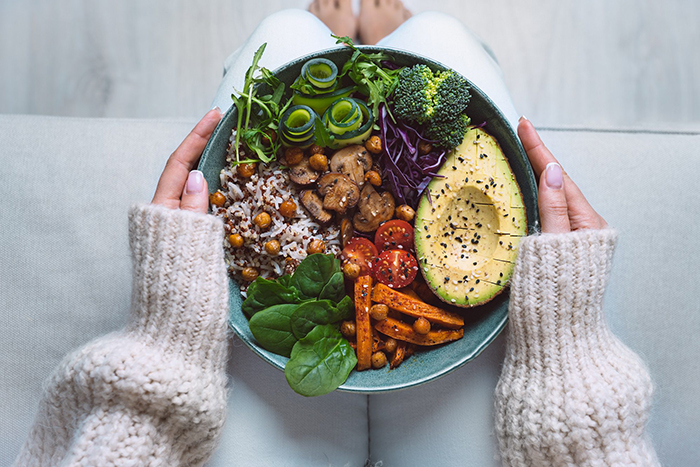
According to the research, people who follow vegetarian diets defined as eating dairy and/or eggs but no meat had substantially lower chances of developing pancreatic, prostate, breast, kidney cancers and multiple myeloma than those who regularly eat meat.
For example, vegetarians had around 21 per cent lower risk of pancreatic cancer and 31 per cent lower risk of multiple myeloma, a rare blood cancer.
Experts say the trend likely reflects multiple intertwined factors: higher intake of vegetables, fruits and fibre; avoidance of processed meats linked to carcinogenic compounds; and often lower body mass among vegetarians. But scientists stress that this study shows associations, not direct cause and effect, and lifestyle factors beyond diet also play an important role.

AD: Oysterian Sea Food Restaurant And Bar
Balanced Diet And Surprising Risks
Despite the promising headlines, the research also uncovered some unexpected findings that underline how nuanced the relationship between diet and cancer really is.
Vegetarians were found to have almost double the risk of squamous cell carcinoma of the oesophagus compared with meat-eaters a result researchers suggest may relate to lower intakes of certain nutrients more abundant in animal foods, such as vitamin B12 or zinc.
Similarly, in the same dataset, people who identify as vegans those who exclude all animal products had a higher risk of bowel (colorectal) cancer compared with meat-eaters. This surprising result has been partly attributed to low calcium intake among vegans, as well as other micronutrient gaps that can emerge without careful dietary planning.
Nutrition experts emphasise that concern around nutrient deficiencies doesn’t negate the benefits of plant-dominated diets but it does highlight the importance of balanced eating and fortification. Including fortified plant milks, nuts, legumes, seeds and a diverse array of vegetables can help cover nutritional bases otherwise found in animal products.
Another large body of research such as earlier cohort analyses in the UK Biobank and other international studies has shown that even moderating meat intake and prioritising plant foods can reduce overall cancer risk and improve long-term health outcomes. Many of these benefits are linked to reductions in processed red meat consumption, which has been associated with increased colon cancer risk in previous research.
Public health bodies, including dieticians and cancer prevention charities, broadly advocate for balanced diets rich in whole grains, legumes, fruits and vegetables, along with limited processed and red meat, as a prudent approach to lowering chronic disease risks.
The latest Oxford analysis adds weight to this guidance but also serves as a cautionary tale that not all plant-only diets automatically confer protection, especially if they lack key nutrients.
Experts generally agree that a flexible approach one centred on nutrient-dense foods and tailored to individual health needs remains the most reliable strategy. Whether vegetarian, pescatarian, or omnivorous, diets rich in colour, variety and whole foods are consistently linked with healthier outcomes across numerous studies.
For those considering dietary changes for cancer prevention, nutrition specialists recommend seeking guidance to ensure adequate intake of calcium, vitamin D, vitamin B12 and other micronutrients, particularly in restrictive diets.
While plant-based eating patterns are consistently associated with a range of health benefits, experts caution that eliminating entire food groups without careful substitution can create unintended gaps.
Vitamin B12, for example, is found naturally almost exclusively in animal products, meaning vegetarians and especially vegans may need fortified foods or supplements. Calcium and vitamin D both vital for bone health and potentially implicated in colorectal cancer risk require deliberate planning when dairy is removed.
Registered dietitians often stress that the protective effect observed in large cohort studies may reflect not only the absence of meat but the presence of whole, fibre-rich foods. Diets abundant in legumes, leafy greens, nuts, seeds and whole grains deliver phytochemicals and antioxidants thought to reduce inflammation and oxidative stress processes linked to cancer development.
However, a vegetarian diet built around ultra-processed meat substitutes, refined carbohydrates and sugary snacks may not confer the same advantages. In other words, the label matters less than the overall dietary pattern.
The broader scientific consensus, reflected in guidance from bodies such as the World Health Organization and the World Cancer Research Fund, emphasises moderation and balance.
Their recommendations consistently prioritise high consumption of plant foods, limited intake of processed and red meats, maintenance of a healthy weight and regular physical activity. Alcohol reduction, smoking cessation and sun protection are equally central pillars of cancer prevention strategies. Diet interacts with each of these factors rather than operating in isolation.
Researchers also highlight the importance of life-course timing. Nutritional exposures during childhood, adolescence and early adulthood may shape cancer risk decades later.
This long horizon makes dietary research inherently complex: isolating cause and effect requires years of follow-up and careful adjustment for confounding variables such as income, education, exercise habits and access to healthcare. Even the largest observational studies cannot eliminate every bias.
Moreover, genetic predisposition plays a significant role in certain cancers. For individuals with strong family histories or inherited mutations, dietary optimisation may reduce risk at the margins but cannot substitute for screening and medical surveillance.
Public health messaging therefore walks a careful line encouraging healthier eating patterns without overstating the protective power of any single approach.
While research continues to evolve, one theme remains constant: diversity and quality appear more protective than rigidity. A plate filled with colourful vegetables, whole grains, pulses and healthy fats aligns with decades of epidemiological evidence.
Whether that pattern includes small amounts of fish, dairy or lean meat may matter less than whether it is sustained over time and integrated into a broader healthy lifestyle.
Ultimately, diet is a powerful lever but it is only one piece of a complex cancer prevention puzzle shaped by biology, behaviour, environment and equity.

AD: Heritage And Restaurant Lounge Bar