
By Tony O’Reilly-
Dim light can make bathing better, according to experts. It started quietly on social media a handful of people talking about turning out the bathroom lights before stepping into a shower and quickly blossomed into a growing wellness trend known as dark showering.
Advocates say it’s more than just a quirky way to wash; it’s a sensory practice designed to calm the mind, soothe the body and prepare users for better sleep by reducing visual stimulation and mimicking spa‑like ambience.

AD: Capeesh Restaurant
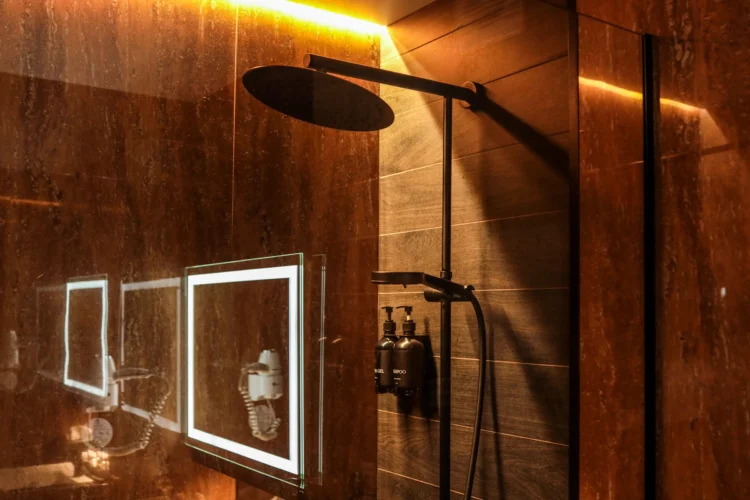
At its simplest, dark showering involves dimming or switching off overhead lights and letting the glow of candles, LED salt lamps or ambient hallway light create a gentler environment for bathing. The aim? A quieter, less demanding sensory setting so that the feel of water on skin rather than the glare of bulbs or the flash of screens becomes the focal point.
Wellness experts say the idea fits within wider trends toward slow self‑care rituals, where everyday tasks like showering are reimagined as intentional breaks from overstimulation. In an era where roughly one‑third of adults are sleep‑deprived and regularly struggle to fall or stay asleep, according to recent health data, anything that promotes a calmer wind‑down may be worth exploring.
Even conventional sleep researchers acknowledge that timing and environment matter. Studies show that a warm shower taken one to two hours before bedtime can shorten the time it takes to fall asleep and improve sleep quality by helping the body’s core temperature drop afterward a natural cue for rest.

AD: Oysterian Sea Food Restaurant And Bar
Dark showering proponents argue that adding low light to that routine could magnify these effects by supporting melatonin production, the hormone that signals night‑time readiness in the brain.
Supporters of dark showering say it’s more than just ambience. Psychiatrist Dr. Daniel Amen, often quoted in coverage of the trend, suggests that reducing light exposure during a shower can signal safety to the nervous system and activate a parasympathetic (“rest and digest”) response that encourages relaxation.
In that sense, dark showering is positioned not just as hygiene, but as pre‑sleep psychological conditioning a bridge between the stimulation of the day and the serenity of night.
Beyond sleep, many enthusiasts also report stress relief and heightened mindfulness during the ritual. Without bright light or screens demanding attention, the sensations of warm water, ambient scent and quiet can centre the mind in ways similar to meditation or deep breathing.
A growing number of online posts frame it as a therapeutic moment a way to “wash away” the tensions of the day rather than merely scrub off sweat.
But scientists urge context: while there’s robust evidence that warm showers before bed can support sleep regulation, there’s no conclusive clinical research specifically proving that showering in the dark improves health outcomes beyond what is already known about temperature and circadian rhythms. In other words, dark showering is still an experimental wellness trend rather than an evidence‑based prescription.
Sleep experts also point out that many adults struggle with sleep for a variety of reasons. For example, in the United States an estimated 30–52 % of adults don’t get enough sleep regularly and nearly a third report insomnia or restless nights, highlighting widespread sleep challenges that go beyond bathing routines.
There are practical considerations too. Showering in near‑darkness isn’t safe for everyone those with balance issues, poor night vision or anxiety triggered by darkness may find the ritual more unsettling than soothing. Experts advise people to modify the experience to suit their comforts, perhaps with dim LED lights or candles instead of total blackout.
Psychologists also caution that dark showering should not replace established sleep hygiene practices such as maintaining a cool, dark bedroom, avoiding screens before bed, and managing stress throughout the day. Dark showering might complement these habits, but it isn’t a magic bullet for chronic sleep problems.
Still, surveys show a broad appetite for small, intentional rituals that boost wellbeing. In lifestyle research, many adults already treat the shower as a key moment of “me time” with more than half of certain groups describing it as their only daily opportunity for personal reflection and stress relief.
With dark showering, it may thrive simply because it reframes an everyday habit as a mindful practice and in a world full of overstimulation, a little intentional calm can feel revolutionary.
How to Try It and What to Expect
Whether dark showering becomes a long‑term wellness staple or simply another social media fad, it highlights a broader shift toward intentional self‑care rituals that integrate physical hygiene with mental and emotional rest.
At a time when sleep challenges affect millions and stress is ubiquitous, turning down the lights and stepping into a quieter shower may not be the best way to wash but for many, it might just be one of the most mindful ways.
In a world dominated by screens, notifications, and constant sensory input, the simple act of dimming the lights offers a rare opportunity to pause, slow down, and focus on the present moment.
The sound and feel of running water, the warmth on the skin, and the absence of visual distractions combine to create a brief but powerful space for reflection and mental reset. few people may use this functions almost like meditation, providing an intentional ritual that separates the chaos of daily life from the calm of personal time.
Psychologists suggest that such rituals even brief ones like dark showering can reduce cortisol levels, improve mood, and signal the brain that it is time to wind down. Moreover, the practice taps into the broader human tendency to associate dim lighting with relaxation and safety, helping promote a parasympathetic response that supports rest and recovery.
While it may not replace established sleep hygiene habits, integrating a mindful, low-light shower into an evening routine can enhance the sense of calm and provide a small but meaningful daily anchor in an otherwise overstimulating environment. For those struggling to carve out moments of intentionality, dark showering may offer a surprisingly effective tool for mental wellbeing.

AD: Heritage And Restaurant Lounge Bar