
By James Simons-
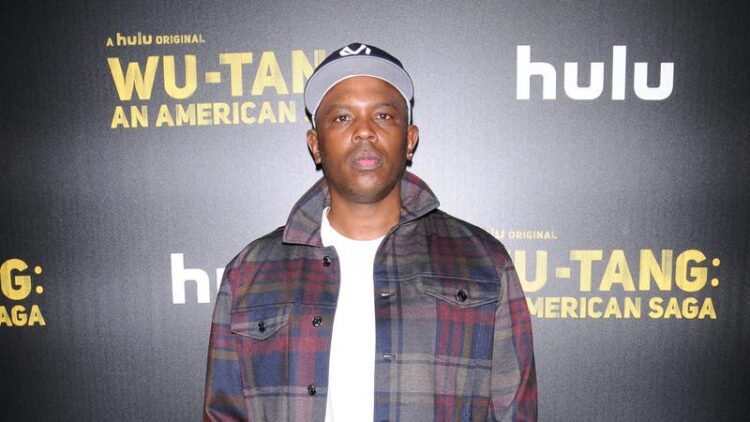
The hip‑hop community is in deep mourning after the death of Oliver “Power” Grant,(pictured) a foundational figure and long‑time collaborator of the legendary Wu‑Tang Clan, aged 52. The group confirmed his passing on social media with the brief but powerful tribute, “Rest in power, Power.” Though a cause of death has not been disclosed, tributes from Wu‑Tang members and peers worldwide have poured in, celebrating the man whose business acumen and early support helped shape one of hip‑hop’s most influential forces.
Grant’s death comes at a moment of renewed recognition for the collective, with Wu‑Tang Clan having recently secured a nomination for the 2026 class of the Rock & Roll Hall of Fame, a testament to their enduring impact on music and culture.

AD: Capeesh Restaurant
Born in Jamaica in 1973 and raised in the Park Hill projects of Staten Island, New York, Grant was a childhood friend of several members of the Wu‑Tang Clan. It was over a game of chess that he earned his nickname, “Power,” a moniker that would come to signify his forceful role behind the scenes of the group’s ascent.
Although he did not perform as an MC, Grant was instrumental in getting Wu‑Tang’s earliest recordings made. He provided crucial funding for studio time and served as executive producer on their breakthrough debut album Enter the Wu‑Tang (36 Chambers) (1993), widely regarded as one of the most important releases in hip‑hop history. His belief in the group’s potential, at a time when many record labels were sceptical, was a defining factor in their rise.
Beyond music, Grant was a pioneering entrepreneur. In 1995 he launched Wu Wear, an artist‑led streetwear brand that brought the Wu‑Tang aesthetic into fashion and into department stores worldwide. At its peak, Wu Wear reportedly grossed tens of millions annually and helped pave the way for hip‑hop artists to expand their influence into lifestyle and culture.

AD: Oysterian Sea Food Restaurant And Bar
His business ventures didn’t stop there. Grant produced the video game Wu‑Tang: Shaolin Style in 1999, bringing the group’s ethos into interactive entertainment, and also appeared on screen in films like Hype Williams’ Belly (1998) and James Toback’s Black and White (1999), showcasing the collective’s reach into broader pop culture.
The response to Grant’s death has been immediate and heartfelt, with Wu‑Tang members and music figures paying tribute to his legacy. Method Man shared a poignant message on social media: “Paradise my brother safe travels!! … Bruh I am not okay,” reflecting the sense of personal loss felt by his closest collaborators.
GZA, another founding member, acknowledged Grant’s foundational role, writing: “Wu wouldn’t have come to fruition without Power. His passing is a profound loss to us all.” Raekwon added his own message of respect and connection, celebrating years of shared journeys.
Across the wider hip‑hop community, artists and industry figures echoed these sentiments. DJ Premier described Grant as a “pioneer for the culture,” while others highlighted how Wu Wear helped redefine how artists could shape and control their own brands, influencing generations of musicians and entrepreneurs.
Grant’s contributions hit home in personal ways. Wu‑Tang’s blend of gritty street narratives, martial arts‑inspired iconography and community ethos resonated far beyond New York, and the clothing, music and multimedia ventures he helped build became cultural touchstones during the 1990s and early 2000s. His work helped expand hip‑hop from a regional movement into a global cultural force.
Even as celebrations of Wu‑Tang’s Hall of Fame nomination circulate an honour that would cap decades of influence the timing of Grant’s passing adds a note of poignancy.
Although not widely known to casual fans in the same way as RZA, Method Man or Ghostface Killah, those closer to the movement emphasize that without his early faith and financial support, Wu‑Tang might never have achieved the heights it did.
Beyond his achievements in business and culture, those who knew him remember Grant as a strategist and supporter, someone who took risks not just for profit but for the belief that his friends’ voices deserved to be heard.
That spirit of community empowerment, often cited in interviews about his work, was part of the blueprint he helped establish for artist autonomy long before it became an industry buzzword.
As tributes continue and fans reflect on his legacy, his death and the reactions it has drawn captures the depth of feeling and respect for a man whose work shaped the contours of modern hip‑hop. Grant’s life reminds us that behind every iconic group, there are figures whose impact, though sometimes quieter, is no less vital or enduring.
His passing marks the loss of not just a collaborator, but a visionary a creative mind whose insight and ambition helped transform street culture into a global phenomenon. Oliver “Power” Grant was more than a businessman or a behind-the-scenes executive; he was a cultural architect whose influence extended far beyond the walls of recording studios or boardrooms.
Grant’s fingerprints are evident in the grooves of classic albums, where his financial support and guidance helped bring legendary tracks to life. Beyond music, his creation of Wu Wear marked one of the earliest and most successful examples of artist-led fashion, turning the collective’s identity into a visual language recognised around the world.
Those iconic hoodies, T-shirts, and jackets were not just merchandise; they were symbols of empowerment, pride, and connection to a larger community, especially for youth navigating the challenges of urban life.
Yet, perhaps Grant’s most enduring legacy is the countless artists and entrepreneurs who followed in his footsteps. By proving that creative vision could be paired with business acumen, he paved the way for a generation of hip-hop figures to control their own brands, start their own labels, and expand into fashion, film, and other media.
He showed that artistry and entrepreneurship could coexist, inspiring people to dream bigger while remaining grounded in their roots. In remembering Oliver “Power” Grant, the world mourns a man who quietly, profoundly shaped the cultural landscape, leaving a blueprint for creativity, resilience, and vision that will continue to influence artists for decades to come.

AD: Heritage And Restaurant Lounge Bar