
By Tim Parsons-
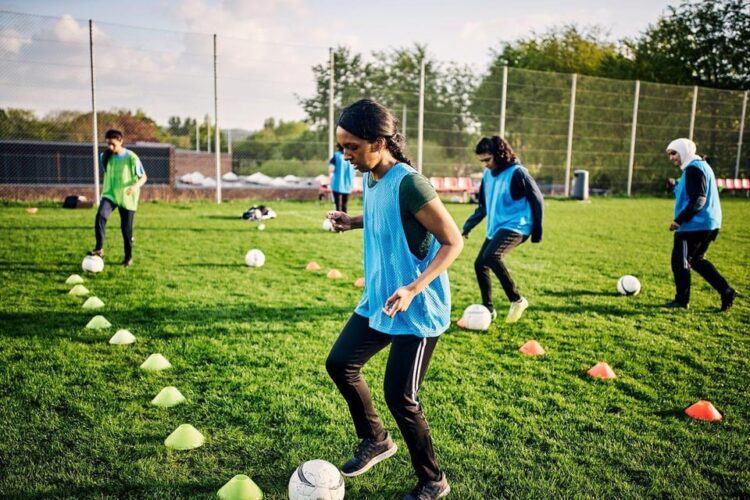
Youth development has long been measured in goals scored, laps swum, and miles cycled with government funding, local councils, and sponsors backing sport as a vital pathway to health, confidence, and social connection.
Yet while playing fields and gyms flourish with sustained investment, the creative arenas of music, theatre, dance, and visual arts often struggle for survival, left to patchy grants and short-term initiatives.

AD: Capeesh Restaurant
This discrepancy raises a pressing question: if society recognises the importance of keeping young bodies active, why does it so often overlook the need to nurture young minds and imaginations through the arts? When Sport Wins Big, Culture Often Misses Out
In the UK, decades of policy focus on youth sport have yielded what many see as a success story in participation and public support. Government strategies such as the Get Active Strategy committing hundreds of millions of pounds to improve community sports facilities and get 1 million young people more active show how centrally sport is positioned in policy conversations around health, belonging and life outcomes.
This isn’t just about throwing cash at facilities: there’s a national cultural expectation that sport is good for young people’s physical and social wellbeing. Whether it’s football pitches in local parks or swimming lessons subsidised through school programmes, successive governments and private sponsors have treated sport as a public good deserving of long‑term investment.

AD: Oysterian Sea Food Restaurant And Bar
But ask the same question about youth arts and culture, and a very different picture emerges. The creative subjects that once peppered school timetables have been squeezed out; youth theatre groups and local arts centres have battled years of cuts; and for young people from less affluent backgrounds, access to artistic outlets can feel like a postcode lottery.
Not everyone agrees that sport and culture are alternatives many argue they should be complements but the contrast in public perception and funding models has become impossible to ignore.
At a time when creative industries are some of the UK’s fastest‑growing economic sectors and have a powerful role in social mobility, many young people are simply left on the margins.
This is not a new conversation.
With elite performers to local festivals and today’s classroom creatives, advocates maintain that the arts unlock not just individual expression but broader skills imaginative thinking, collaboration, resilience and confidence vital for the future workforce.
If the UK is serious about equal opportunity, many argue, then the policy machinery that builds clear pathways into sport from grassroots clubs to professional leagues needs a twin in the cultural realm.
The launch of the Young Creatives Commission shines a spotlight on these questions with a practical agenda: build local cultural infrastructure, make cultural access affordable and visible, create career pathways, and embed arts opportunities into a youth strategy as central as those supporting sport.
Supporters of this approach point to the health, wellbeing and economic benefits of arts participation not just for elite performers, but for everyday young people. Research indicates that engagement in arts and culture improves quality of life and even boosts productivity, while providing a psychological ‘dividend’ that supports mental health and social cohesion.
Yet despite these benefits, arts funding for young people often comes in fits and starts. Public investment has been under strain for years, with cultural institutions warning that funding squeezes have left arts bodies at a critical tipping point.
Without clear and sustained backing, community theatres, youth music programmes and grassroots creative spaces risk dwindling further, eroding opportunities for the next generation.
In contrast, sport’s funding model linked to long‑term infrastructure commitments, dedicated youth programmes and measurable participation goals has created pathways that can be accessed across socioeconomic divides. Grassroots clubs now receive regular grants and facility upgrades; school sport is integrated into wider health strategies; and national bodies continue to prioritise widening access.
The Young Creatives Commission argues that culture should not be the outlier in these national discussions. By listening directly to young people about their needs and rebuilding infrastructure that brings creativity into everyday spaces the UK could begin to redress the current imbalance.
There are already examples of models that broaden access to arts for young people. Organisations expanding free, extracurricular creative education aim to reach youngsters who don’t participate in arts activities elsewhere, showing that demand exists when opportunities are put in front of them.
Similarly, government partnerships investing in creative training, production and mentorship even at modest levels demonstrate the potential of combining policy intent and arts expertise to open new career pathways.
Taken together, these initiatives hint at a broader shift: one where arts and sport are not seen as competing for attention but as twin pillars of youth development, each offering unique and valuable routes to confidence, wellbeing and opportunity.
With many young people, the arts can be a lifeline. Community art clubs offer safe gathering spaces; theatre provides a platform for expression; music can build confidence impossible to quantify on spreadsheets. But when these opportunities are eroded, the consequences are more than cultural they strike at the heart of who gets to participate fully in society.
Critics of the current funding landscape argue that without long‑term commitment, the UK risks stunting a generation’s creative potential. Schools report that traditional creative subjects remain under threat, even as music and theatre advocates push for greater recognition of their role in education and social life.
The idea that arts are a “luxury” rather than a core part of youth development is increasingly challenged by those on the ground, yet policy and investment lag behind. While sport gets budget lines, strategy papers and headline commitments, culture often has to make do with ad‑hoc grants and goodwill.
Advocates believe that addressing this imbalance could pay dividends far beyond the arts sector itself. A more creative generation could mean fresh innovation, stronger mental health, richer community life and a workforce equipped with the skills to navigate a rapidly changing economy.
The commission’s call for cultural investment is not a plea for charity, but a strategic argument for including arts at the centre of youth policy alongside sport, education and social development.
Conversations about youth opportunity advance in Westminster and local councils, the question remains: will creativity win sustained backing too, or will artistic potential remain sidelined while sport continues to thrive? That choice will shape the opportunities of a generation and the cultural life of the nation.

AD: Heritage And Restaurant Lounge Bar