
By Lucy Caulkett-
In a world drowning in single‑use bottles and overflowing bins, a quiet revolution is arriving through letterboxes across the UK and beyond. What once made eco‑minded shoppers cringe the convenience of pre‑packed cleaning and toiletry products is being reimagined with sustainability at its heart.
Today’s savviest households are ditching landfill‑bound plastics without sacrificing ease, thanks to a new generation of sustainable cleaning and toiletries subscriptions that promise to make life easier and cut waste.

AD: Capeesh Restaurant
The subscription model ranging from refillable deodorants to plastic free dishwasher tablets once symbolised overconsumption is now helping tackle the very problem it once contributed to.
In this special report, we spotlight the 12 standout subscriptions transforming everyday chores into climate‑friendly rituals. Many arrive in plastic‑free or recyclable packaging, with some even offering prepaid return envelopes to ensure containers are reused or properly processed.
These services are gaining traction not only for their environmental benefits but also because they deliver exactly what busy consumers want reliability, quality, and simplicity.

AD: Oysterian Sea Food Restaurant And Bar
The move away from plastic‑laden mainstream brands isn’t just altruism it’s practical. UK households alone use billions of plastic bottles every year for laundry, dishwashing and bathroom products, contributing to environmental damage that can persist for centuries. Subscriptions that prioritise sustainability help shrink that impact while ensuring you never run out of essentials.
Take Smol dishwasher tablets, for example: tiny, effective tablets that arrive in fully postable, plastic‑free packaging and clean without the need for additional salt or rinse aids. Subscribers can set a delivery cadence that matches their wash habits so they never find themselves in a last‑minute scramble for tablets in single‑use plastic tubs.
The bathroom benefits too. Fans of UpCircle’s eco‑shampoo crème praise its upcycled ingredients made from coffee grounds and berry residue and its glass packaging that fits right into kerbside recycling or refill‑shop reuse schemes.
Similarly, Suri replacement toothbrush heads made with castor‑oil bristles and compostable return bags offer a plastic‑curbing alternative to disposable heads that often end up in landfill.
Perhaps one of the most startling shifts is in products we all use daily without much thought. Life Supplies’ refillable toothpaste system replaces endless tubes with a handsome bathroom bottle and compostable refills, while Bazoo sustainable toilet paper arrives by subscription in unbleached, FSC‑certified paper rather than cling‑wrapped plastic.
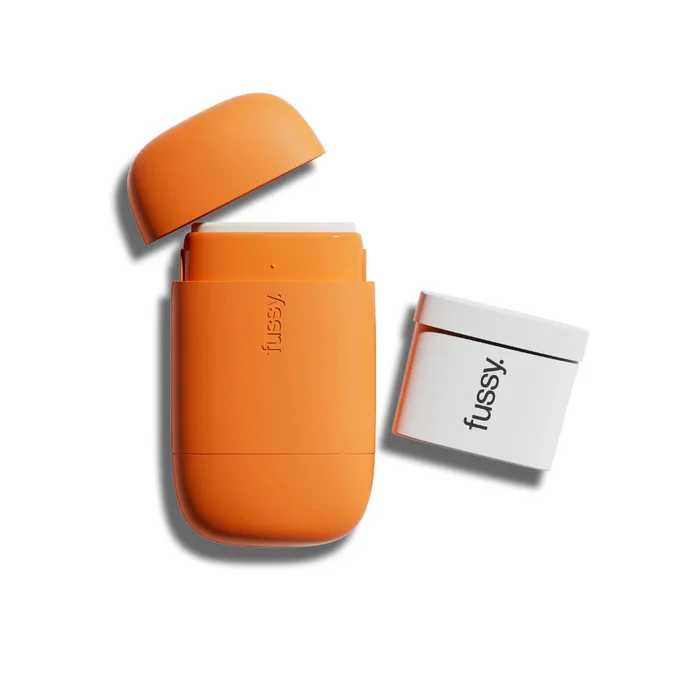
Even odour control and everyday cleaning are getting a green makeover. Fussy deodorant offers refillable sticks made from natural oils and sunflower waxes, reducing plastic waste while keeping bathrooms fresh.
Meanwhile, Homethingscleaning sprays arrive as concentrates that you dilute in your own bottles, cutting CO₂ emissions by up to 90 % compared with conventional ready-to-use products in single-use plastic containers.
These innovations demonstrate that even small daily rituals from deodorant to surface cleaning can be part of a more sustainable household routine.
These options and others on the list highlight how convenience and care for the planet can coexist. Households adopting these subscriptions report not just reduced plastic waste but also a calmer, more organised home life, with fewer emergency dashes to the supermarket for last‑minute replacements.
While the sustainability benefits of these subscriptions are clear, there’s also a broader narrative unfolding about how consumer habits can reshape markets. The rise in eco subscriptions reflects growing awareness of the environmental cost of disposable culture and a demand for brands that not only sell products but also tell the truth about their ecological footprint.
This trend has not been without controversy. Some brands outside the core cleaning and toiletry space have faced scrutiny over what qualifies as “plastic‑free” or “biodegradable” claims including in sectors like period care, where allegations of misleading packaging terminology have sparked regulatory complaints.
Such scrutiny shows that even as sustainable subscriptions proliferate, consumers and watchdogs alike are holding companies accountable for genuine environmental benefits rather than greenwashed marketing.
Despite challenges, the subscription model’s momentum shows no signs of slowing. Services that emphasise recyclable packaging, return‑to‑reuse systems, and natural ingredients are building loyal followings, as consumers increasingly seek convenience without compromising environmental responsibility.
Research shows that shoppers are more likely to subscribe to brands that prioritise sustainability, from reusable containers to minimal or compostable packaging, reflecting a broader shift in how we approach everyday consumption.
This trend isn’t just about swapping one product for another it represents a growing effort to rethink our relationship with daily necessities and extend eco-conscious habits into other areas of life.
Refills and concentrated products are helping households cut packaging waste while maintaining convenience. By choosing items like aluminium dish soap bottles or concentrated glass spray refills, consumers can significantly reduce the total volume of single‑use packaging entering waste streams.
These systems are designed for longevity, with containers reused multiple times, while concentrated formulas require less material and shipping weight, further lowering their environmental impact.
Subscription models amplify these benefits: flexible delivery schedules allow users to slow or accelerate shipments, prevent overstock, and avoid wasting unused products, making sustainable consumption both practical and efficient.
Some subscriptions are going even further, encouraging customers to return empty packaging for recycling or reuse through prepaid envelopes, cutting out the last mile of waste entirely.
And as digital platforms improve tracking and transparency, subscribers can see how their habits translate into waste reduction over time turning sustainability into an engaging, accountable lifestyle choice rather than an abstract ideal.
In embracing these services, consumers are also signalling to bigger brands that sustainability isn’t a fringe preference but a mainstream expectation.
Whether it’s choosing reusable sponges in compostable materials or signing up for plastic‑free dish tablets, every subscription tells a story about what modern shoppers value: convenience without compromise, simplicity that doesn’t cost the planet, and quality that aligns with conscience.
While households continue to explore greener paths, these subscriptions are just the beginning. They show that with thoughtful design and strategic delivery, the things we use most can be part of the solution rather than the problem.
Those looking to cut plastic waste and streamline their routines, subscriptions are quickly becoming one of the easiest, most impactful tools available and, as The Guardian highlights, there’s never been a better time to subscribe to sustainability.

AD: Heritage And Restaurant Lounge Bar