
By Tony O’Reilly-
Ramadan the Islamic holy month of fasting and spiritual reflection has been woven into the fabric of London Fashion Week, creating a cultural flashpoint that many say could reshape how the industry embraces diverse traditions.
For the first time in its history, fashion programming didn’t just coincide with Ramadan it paused and participated in it. At the centre of this breakthrough moment was 29‑year‑old British‑Yemeni designer Kazna Asker, whose presentation intentionally slowed the usually frenetic pace of fashion week to embrace the rhythm of the fast.

AD: Capeesh Restaurant
Asker’s showcase, titled Hour of the Sunset, was more than a runway show; it became an immersive cultural experience. At sunset, the crowd including models and staff who were themselves observing Ramadan broke their fast together with dates, water, and traditional dishes such as lentil soup, biryani, and flatbreads sourced from community kitchens.
The space was transformed into a majlis, a communal gathering area evocative of Middle Eastern hospitality, where guests sat on floor cushions and shared food and reflection before the rest of the presentation continued.
This intentional integration of iftar the fast‑breaking meal into high fashion marked a striking departure from fashion’s norm of tight runways, packed schedules, and strictly visual spectacle.

AD: Oysterian Sea Food Restaurant And Bar
Asker explained that the timing of Ramadan and London Fashion Week aligned this year in a way that called for inclusivity and intentionality, and she embraced it as both a personal and creative imperative.
While spectators watched, the show unfolded not only as a presentation of garments but also as a celebration of community, tradition, and spiritual continuity.
Attendees were invited to feel rather than merely observe the significance of Ramadan’s sunset moment, where discipline meets relief and social connection. This carefully curated iftar moment underscored how cultural practices can inform creative expression in unexpected ways.
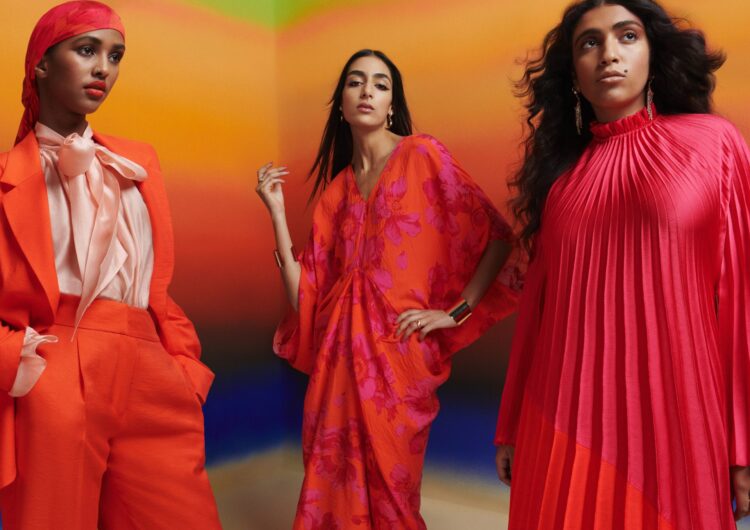
The garments on display reflected a blend of classic and contemporary influences, weaving traditional Yemeni dress with futuristic tailoring.
Bold elements such as henna‑inspired motifs, gold adornments, and fluid silhouettes displayed an interpretive approach to identity and heritage.
One striking moment featured a female model walking in a jambiya a dagger typically reserved for men in Yemeni culture symbolising a reimagined narrative around gender and power on the runway.
Fashion industry observers have pointed to the moment as part of a broader shift toward community‑centred presentations at this season’s London Fashion Week, where designers are leaning into storytelling and cultural resonance rather than simply showcasing clothes on a timetable.
Other presentations during the week similarly embraced personal narratives, intimate gatherings, and thematic experiences that resonate with specific audiences.
With many Muslim attendees and participants, the inclusion of Ramadan into the event was especially meaningful a recognition that fashion weeks can evolve and expand to honour the traditions of the diverse communities they serve. While one guest remarked, spaces like this “don’t make you feel ‘othered’,” and instead reflect a hopeful vision of inclusion and mutual respect.
This unprecedented runway moment also comes amid broader cultural trends where brands are rethinking how they engage with Ramadan beyond performative marketing.
Industry analysis has increasingly urged fashion houses and retailers to synchronise their offerings and campaigns with the spiritual rhythms and lived experiences of Muslim consumers, creating more thoughtful and culturally grounded connections.
Although modest fashion and Ramadan‑aligned collections have long been part of seasonal retail in the Middle East and beyond, seeing the holy month integrated directly into a flagship international fashion week signals a potential recalibration of global fashion priorities. What was once a behind‑the‑scenes cultural marker has now stepped into the spotlight not as trend, but as tradition honoured.
While London Fashion Week continues to stretch and redefine the boundaries of what fashion events can be, many insiders see this moment as a blueprint for future cultural collaborations.
While embedding the humane and reflective aspects of Ramadan into a high-profile fashion platform, designers like Kazna Asker are demonstrating that fashion can be more than visual spectacle it can be a space for shared humanity and meaningful cultural dialogue.
Asker intentionally structured her show around the rhythm of Ramadan, creating moments where models, staff, and guests broke their fast together at iftar, sharing dates, water, and conversation in a communal setting .
This approach transformed the runway into an immersive cultural experience, blending creative expression with spiritual reflection. Beyond Asker’s presentation, broader industry trends at London Fashion Week show designers increasingly using fashion as a platform for identity, heritage, and cross-cultural storytelling, encouraging dialogue and understanding among diverse audiences.
In doing so, the show highlighted that high fashion can honor tradition, foster community, and create meaningful experiences that resonate far beyond the garments on the runway.
Whether this watershed moment signals a lasting shift in how fashion houses worldwide engage with sacred traditions remains to be seen. What unfolded in London this season offers a striking example of how the fast-paced, often frenetic world of high fashion can intersect with deeply personal and spiritual practices, creating something profoundly human amid the spectacle.
The echoes of iftar the breaking of the fast, the passing of dates and water, the communal pause resonated not just as a ritual, but as a deliberate intervention in the rhythm of Fashion Week itself. In a setting where minutes are meticulously scheduled, and runways move at a relentless pace, the conscious slowing of proceedings to honour Ramadan was both a cultural and artistic statement.
Attendees, whether observers or participants, found themselves invited into a space that blended ceremony, reflection, and creativity, reminding them that fashion can be more than visual display; it can be an experience grounded in shared humanity.
Beyond the immediate moment, designers and cultural commentators are already weighing what this means for the global fashion calendar.
Could other international fashion weeks from New York to Paris to Milan begin integrating sacred and seasonal traditions into programming in a more meaningful way? Could the industry, often critiqued for its relentless focus on novelty and spectacle, begin to embrace rituals, storytelling, and community-focused events as part of its creative expression?
If London Fashion Week’s Ramadan initiative proves influential, it could redefine how inclusivity and cultural literacy are measured within fashion, elevating spiritual and communal practices to the level of artistic inspiration rather than marketing afterthought.
Beyond religious affiliation, the moment speaks to a broader cultural shift: an industry increasingly attentive to identity, representation, and narrative depth.
It demonstrates that fashion can honour tradition while innovating, that sacred practices can coexist with style, and that audiences are ready to engage with this deeper layer of meaning.
Ultimately, the lasting impact of this moment may be measured not by the garments themselves, but by the memory of a pause, a shared meal, and a collective recognition of something larger than the runway.
Whether replicated or referenced in future seasons, London Fashion Week’s Ramadan initiative has shown that fashion can be a conduit for cultural understanding, spiritual respect, and communal connection a reminder that, sometimes, the most striking designs are those that touch the soul rather than just the eye.

AD: Heritage And Restaurant Lounge Bar