

By Charlie Car Michael-
Radical action is needed to end racism in football across stadiums from Lisbon to London and from professional arenas to local pitches, football continues to grapple with the enduring problem of racism.
Despite repeated pledges from officials, players, and clubs that discrimination has no place in the sport, high-profile incidents continue to emerge, highlighting the limits of current anti-racism measures.

AD: Capeesh Restaurant
This week, a Champions League match between Real Madrid and Benfica was temporarily halted after Brazilian forward Vinícius Júnior alleged a racial slur from an opponent, reigniting urgent calls for decisive action against prejudice in football.
The incident affirms the ongoing struggle of players, fans, and governing bodies to tackle a problem deeply rooted both on and off the field.
While campaigns, protocols, and gestures of solidarity have become common, many experts and players argue that these measures are insufficient. Without systemic change, the cycle of abuse is likely to continue, eroding the integrity of the sport and the well-being of its participants.

AD: Oysterian Sea Food Restaurant And Bar
Why Current Measures Aren’t Enough
Football’s governing bodies have invested in multiple anti-racism campaigns and protocols, yet persistent incidents show that intention does not always translate into effective prevention. High-profile campaigns such as the Premier League’s “No Room For Racism” and UEFA’s Respect programme seek to educate fans, players, and staff about equality, inclusion, and respect.
Despite these initiatives, racial abuse remains prevalent, from monkey chants to online harassment of players. Many fans either ignore anti-racism messages or actively resist them, undermining the efforts of campaigns and governing bodies.
Official measures such as pausing matches, issuing fines, or temporary stadium bans often lack long-term impact. Experts argue that serious consequences are essential.
Proposals have included automatic forfeits for teams whose supporters engage in racial abuse, criminal charges for perpetrators, and lifetime bans from stadiums for repeat offenders.
In Spain, a man recently received a one-year jail sentence for making racist gestures at a professional player, a precedent that could shape global policy if widely adopted.
However, punishment alone cannot dismantle deep-seated prejudice. Many players, including Vinícius Jr, have spoken publicly about the emotional and psychological toll of repeated abuse, highlighting the need for proactive education and cultural change.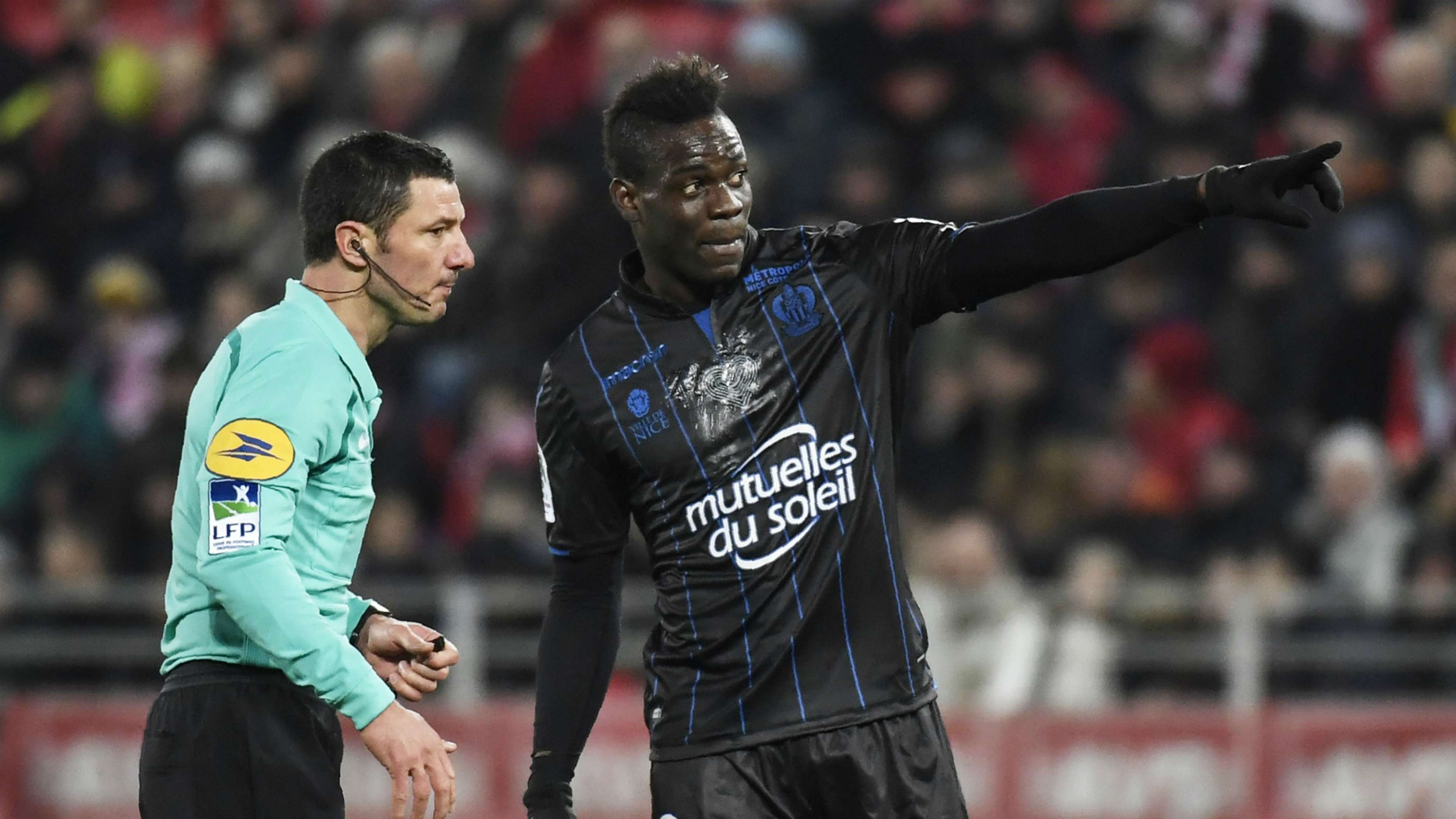
Mario Balotelli has repeatedly faced racial abuse on and off the pitch, highlighting an ongoing problem in football
Former stars such as Mario Balotelli have described repeated incidents of racial abuse as demoralising, underscoring how even elite players remain vulnerable.
Education is widely regarded as a critical component in combating racism. Campaigns like Kick It Out have worked for decades to challenge prejudice and promote inclusivity at every level of football, focusing on empowering players, coaches, and fans to take a stand against abuse.
Grassroots initiatives target younger players and local clubs, teaching both technical skills and social responsibility. UEFA’s foundation, through initiatives such as Tackle Racism in Grassroots Football, emphasises early intervention and education to prevent racist attitudes from becoming normalised.
Experts argue that education must be continuous and systematic. One-off workshops or short-term campaigns are insufficient. Coaches, referees, and club staff need long-term training that incorporates cultural awareness, conflict resolution, and bias recognition.
Beyond professional football, schools and community organisations should integrate anti-racism education to foster inclusive attitudes among young players before they enter competitive leagues.
This approach aims to create a new generation of fans and players for whom equality and respect are fundamental values.
Fans, as stakeholders in football culture, have a unique power to either perpetuate or challenge racism. Persistent racist behaviour at matches, in stadiums, and online signals a broader social issue: football often mirrors societal inequalities and prejudices.
Advocates insist that fans themselves must hold one another accountable. Supporters can report incidents, confront abuse when safe, and promote diversity and inclusion in fan groups. Many clubs now collaborate with fan-led anti-racism alliances to create inclusive supporter cultures.
These grassroots efforts demonstrate that collective accountability among fans can drive real change, as it sets norms for acceptable behaviour both inside and outside stadiums.
The importance of representation in leadership cannot be overstated. Many players and advocates argue that diverse leadership within football governance including board members, club executives, and referees helps create policies that are more attuned to the challenges of racism, ensuring that measures are not just performative but transformative.
Football’s Global Influence and Responsibility
Football is more than a sport; it is a cultural institution with enormous influence. Stars, clubs, and governing bodies can shape public opinion and societal norms. This influence comes with a responsibility to lead by example.
FIFA, UEFA, and national leagues have all acknowledged that anti-racism initiatives must extend beyond the stadium, engaging with governments, education systems, and social media platforms to reduce online abuse.
Social media, while a tool for engagement, has also amplified the spread of racial abuse. Football authorities are exploring partnerships with platforms to monitor and sanction offenders online, acknowledging that incidents off the pitch can affect player welfare and fan culture just as much as stadium abuse.
The intersection of sport and society means football cannot solve racism alone. Legal enforcement, educational initiatives, and grassroots culture change must complement sanctions and symbolic gestures. Only a multi-faceted approach, combining punishment, education, community involvement, and leadership diversity, can break the cycle of abuse.
Vinícius, who scored the decisive goal in Real Madrid’s 1‑0 victory, interrupted the game when he approached referee François Letexier to report what he said was a racist slur from Benfica winger Gianluca Prestianni. The referee paused play for around 10 minutes under UEFA’s anti‑racism protocol.
After the match, Vinícius took to Instagram and posted a powerful message condemning the abuse and the apparent shortcomings of the protocols designed to prevent it, stating: “Racists are, above all, cowards. They need to put their shirts over their mouths to show how weak they are… Nothing that happened today is new in my life or my family’s.” He added that the existing system seemed more like a symbolic gesture than an effective deterrent.
His words reverberated across the footballing world, reigniting a painful debate about why, decades after official anti‑racism campaigns began, players still face prejudice on the pitch, and why the sport continues to struggle with meaningful enforcement of zero‑tolerance standards.
The persistence of racism in football demonstrates that gestures of solidarity, while necessary, are insufficient without systemic change. Players like Vinícius Jr continue to confront abuse despite years of awareness campaigns, reflecting the limits of current interventions.
Ending racism in football requires not only stronger enforcement of penalties but also long-term education programs integrated into youth football, coaching, and community initiatives. Active fan engagement, encouraging supporters to report and challenge racist behaviour, is equally important.
Representation and diversity in leadership help shape policies from boardrooms to matchday operations, ensuring that anti-racism measures are meaningful and effective.
Football has the global platform, visibility, and cultural influence to set an example. Yet without sustained commitment to meaningful action, racism will continue to undermine the integrity of the game and the welfare of its players.
Campaigns like Kick It Out, UEFA Respect, and No Room For Racism show that progress is possible, but achieving lasting change demands that football move beyond performative gestures toward tangible transformation.
The sport’s future depends not only on the actions of governing bodies but also on the collective responsibility of fans, communities, and players worldwide. Tackling both the cultural roots and individual manifestations of racism is essential to creating a footballing world that reflects its ideals: fairness, respect, and inclusion.
Only through sustained and multi-level effort can the game hope to eradicate prejudice and become a true example of social progress on a global stage.

AD: Heritage And Restaurant Lounge Bar