
By Aaron Miller-
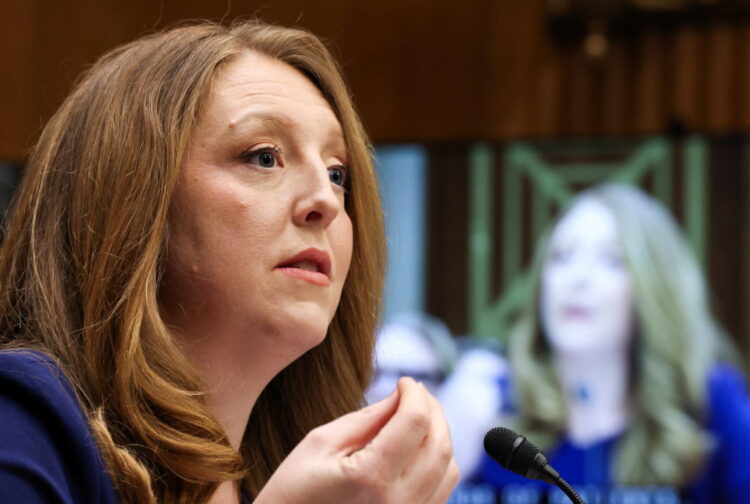
President Donald Trump has abruptly withdrawn the nomination of Casey Means for U.S. surgeon general, replacing her with radiologist and media commentator Nicole Saphier in a move that underscores mounting political pressure, internal party divisions, and ongoing turbulence in U.S. public health leadership.
The decision, announced Thursday, ends a months-long and increasingly fraught confirmation process that had stalled in the Senate amid bipartisan scepticism over Means’ qualifications and views on vaccines.

AD: Capeesh Restaurant
In her place, Trump has nominated Saphier, a practising physician at Memorial Sloan Kettering Cancer Center and a frequent television medical contributor, marking his third attempt to fill the influential but often symbolic role of the nation’s top doctor.
Means’ nomination had been in limbo for nearly a year, reflecting deeper ideological battles within both the Republican Party and the broader U.S. health policy landscape.
A prominent figure in the “Make America Healthy Again” (MAHA) movement aligned with Health Secretary Robert F. Kennedy Jr., Means drew criticism for her unconventional medical background and outspoken skepticism toward aspects of mainstream medicine, particularly vaccines.

AD: Oysterian Sea Food Restaurant And Bar
Her path to confirmation was ultimately blocked by key Republican senators, most notably Bill Cassidy of Louisiana, a physician who chairs the Senate Health, Education, Labor and Pensions Committee. Cassidy’s resistance proved decisive, preventing Means from advancing out of committee and prompting Trump to publicly criticise him as obstructive and “disloyal.”
The White House framed the withdrawal as a strategic pivot rather than a concession. Still, the episode highlights the limits of ideological loyalty when confronted with Senate confirmation realities. Means’ critics argued that her inactive medical license and departure from a surgical residency raised serious concerns about her readiness to serve as the nation’s chief public health spokesperson.
Even some conservatives viewed the nomination as politically untenable. Public health advocates, meanwhile, welcomed the withdrawal, describing it as a necessary step to restore credibility to a position that has become increasingly politicized in recent years.
The collapse of Means’ nomination also represents a setback for Kennedy’s MAHA agenda, which has sought to challenge established medical norms and regulatory frameworks. The surgeon general role, though limited in formal policymaking authority, carries significant influence as a public communicator on issues ranging from vaccination to chronic disease prevention.
In contrast to Means, Nicole Saphier brings a more traditional medical résumé, which the administration hopes will ease her path through Senate confirmation. A breast imaging specialist and academic physician, Saphier has built a national profile through her clinical work and media appearances, often emphasising preventive health and early cancer detection.
Trump praised her as a “star physician” with a track record of communicating complex medical issues to the public an essential skill for a surgeon general tasked with shaping national health messaging.
While Saphier shares some alignment with broader health reform goals championed by the administration, she has also taken positions that diverge from more controversial elements of the MAHA movement. Notably, she has expressed support for mainstream vaccine research while remaining open to discussions about alternative approaches, positioning herself as a more politically palatable figure.
Her nomination may signal an attempt by the administration to recalibrate its health strategy amid growing criticism of its handling of public health institutions. The Department of Health and Human Services has faced significant upheaval, including leadership vacancies and legal challenges tied to proposed vaccine policy changes.
At the same time, the repeated turnover in surgeon general nominees points to broader instability. Saphier is Trump’s third pick for the role, following the earlier withdrawal of Janette Nesheiwat’s nomination and the failed bid by Means.
The position has remained unfilled since early 2025, leaving a leadership gap during a period marked by renewed debates over vaccine policy, chronic disease, and the federal government’s role in public health.
Whether Saphier can secure Senate confirmation remains uncertain, but her credentials and more conventional medical background are expected to improve her chances. Still, the political dynamics that derailed her predecessor have not disappeared, and her nomination will likely face scrutiny from both sides of the aisle.
Trump’s decision reflects a pragmatic shift one that prioritises confirmability over ideological alignment, even as the administration continues to navigate a deeply polarised health policy environment.
In many ways, the abrupt pivot away from Casey Means toward Nicole Saphier underscores a broader recognition within the White House that political capital is finite, particularly when it comes to Senate-confirmed roles that require at least a baseline level of bipartisan acceptance.
Means’ nomination had become a flashpoint not just between Democrats and Republicans, but within the Republican Party itself. Lawmakers with medical backgrounds and institutional priorities signalled discomfort with her unconventional résumé and her alignment with outsider health movements.
That resistance ultimately exposed a structural reality of governance: even in a highly polarised era, certain appointments especially those tied to public health credibility still demand adherence to professional norms that transcend partisan loyalty.
Saphier’s selection appears calibrated to meet those expectations without fully abandoning the administration’s broader messaging on healthcare reform.
Her profile as a practising physician and media communicator allows the administration to maintain its emphasis on public-facing health advocacy while reducing the risk of another stalled nomination. In effect, the choice reflects an attempt to strike a balance between ideological signalling and institutional viability.
This recalibration may also be read as a response to growing scrutiny of the administration’s handling of health policy, particularly as debates over vaccines, chronic disease, and federal oversight continue to intensify.
The surgeon general, while not a policymaker in the traditional sense, plays a symbolic and communicative role that can influence public trust. After a prolonged vacancy in the position, the pressure to install a credible and confirmable figure has only increased.
This episode highlights the limits of disruption as a governing strategy. While outsider candidates can energise segments of the political base, they often face significant hurdles when subjected to the institutional checks embedded in the confirmation process.
The Senate, even in its current polarised state, remains a gatekeeper that can constrain executive ambitions when nominees fall outside accepted professional or political boundaries.

AD: Heritage And Restaurant Lounge Bar