
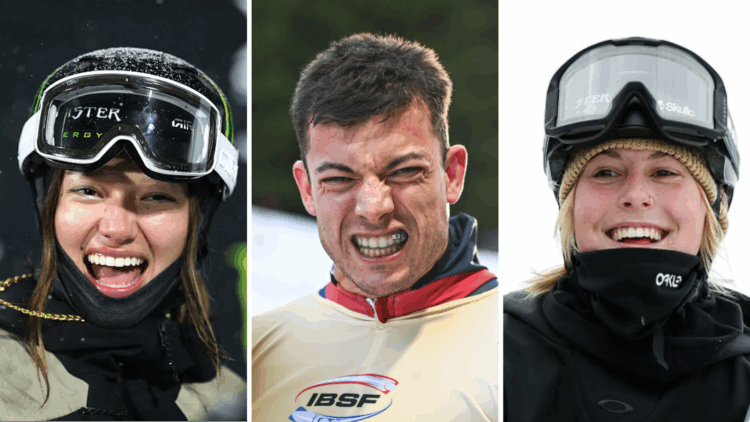
By Tim Parsons-
On a pivotal Day Seven of the 2026 Winter Olympics, athletes from around the world are poised to compete for seven gold medals, making Friday, 13 February one of the most hotly anticipated days of competition at the Milano‑Cortina Winter Games.
With a full slate of finals across disciplines including skeleton, figure skating, speed skating, snowboarding, biathlon and cross‑country skiing, the stage is set for another gripping day of Olympic action.

AD: Capeesh Restaurant
And for Great Britain, there is extra interest: the nation has yet to win a medal at these Winter Games and is looking toward key events particularly in skeleton to finally end its medal drought.
The day’s action swings into gear early with the men’s 10 km cross‑country skiing event, scheduled in the late morning, followed by medals in the women’s snowboard cross, the biathlon men’s sprint and the men’s 10,000 m speed skating final in the afternoon.
In the evening session, the spotlight shines on the men’s skeleton, men’s halfpipe snowboarding and the men’s figure skating free skate, which traditionally draws huge global television audiences.

AD: Oysterian Sea Food Restaurant And Bar
Among the standout storylines is British skeleton star Matt Weston, who currently leads the men’s skeleton competition after two of four runs and represents arguably Great Britain’s best hope for a medal so far at these Games.
Weston, who has impressed with strong performances throughout the season, including multiple World Cup wins, pieced together fast times at the central Italian sliding track and enters Friday’s final runs with gold firmly within reach.
Despite Britain’s lack of medals early in the Games, the optimism among athletes, coaches and fans is palpable. Team GB has sent a competitive squad of 53 athletes to Italy, fielding entrants across a wide range of disciplines including curling, ice hockey, snowboarding and alpine skiing, but it is skeleton often a strong event for the nation that has drawn the greatest attention on this decisive Friday.
While Weston leads the charge, other British athletes are also in the mix across Friday’s programme. In snowboarding, British rider Charlotte Bankes is competing in the women’s snowboard cross final, carrying hopes of a breakthrough after strong showings in qualification rounds.
Curling fans will also be keeping an eye on Great Britain’s men and women as they contest round‑robin matches that could influence final standings and potential medal playoff scenarios.
The fact that seven Olympic gold medals are on offer on a single day underscores the depth and diversity of the Winter Games. In the biathlon, athletes will race in the men’s 10 km sprint, where skiing endurance and marksmanship combine in an unpredictable and thrilling event.
Figure skating, particularly the men’s free skate, is set to captivate audiences with its blend of athletic precision and artistic expression. This segment of the competition often becomes a focal point of Winter Games coverage, with large television audiences tuning in to see which skaters can deliver under immense pressure.
Snowboarding’s men’s halfpipe final promises its own brand of exhilaration as riders attempt spectacular tricks high above the pipe’s walls, seeking Olympic glory.
While the emphasis is naturally on gold medals, the broader narrative at these Games continues to evolve. Earlier in the week, several dramatic results captured global attention, including the striking story of Ukraine’s skeleton racer Vladyslav Heraskevych, who was disqualified for wearing a “helmet of memory” tribute before planning an appeal to sporting authorities, bringing conversations about sports, symbolism and politics into the Olympic spotlight.
On the medal table overall, Norway leads with the most gold medals to date, while host nation Italy sits near the top of the cumulative medal count. These standings reflect strong performances across skiing, skating and combined events by teams with deep winter sports traditions.
The United States, Netherlands, Germany and Sweden also figure prominently in the overall medal tally, demonstrating the global reach and competitive intensity of these Games.
Such hopes are echoed in the curling arena, where mixed team events and round‑robin battles have seen Great Britain remain competitive, although stiff opposition from powerhouses such as Canada and Sweden has made medals far from guaranteed. In women’s snowboard cross, Bankes’ presence in medal contention adds another layer of anticipation for Friday’s results.
Beyond the physical competition, the 2026 Games have delivered memorable stories of resilience, comeback and historic pursuits. American snowboard star Chloe Kim, a two‑time Olympic gold medallist, recently took silver in the women’s halfpipe narrowly missing an unprecedented three‑peat but still underscoring her status as a dominant figure in her sport. Such human narratives add depth to the intense rivalry and national pride that define the Olympic experience.
With Friday’s finals unfold and the medal ceremonies play out, fans around the world will be watching with rapt attention. For some nations, this day represents a last chance to surge upward in the rankings; for others, like Great Britain, it may finally deliver a moment to celebrate after days of near‑misses and hard‑fought performances.
The global spotlight that falls on Milano‑Cortina on this extraordinary day of competition is a testament to the enduring power of the Olympic Games to unite, thrill and inspire.
The atmosphere in the host city is electric, with stadiums and slopes filled with cheering spectators from around the globe. Every medal ceremony highlights not just individual triumphs, but the broader narrative of perseverance, national pride, and the relentless pursuit of excellence.
Team GB’s coaches have emphasised the importance of mental focus and adaptability, particularly in events where weather and timing can dramatically influence outcomes.
Analysts suggest that if the current momentum holds, the team could achieve one of its most successful Winter Games in decades, potentially surpassing past medal counts and solidifying Britain’s presence in sports traditionally dominated by Nordic and Alpine nations.
Beyond the podium, these Games continue to foster international camaraderie, cultural exchange, and a renewed appreciation for winter sports, setting the stage for a thrilling final stretch of competition.

AD: Heritage And Restaurant Lounge Bar