
By Theodore Brown-
The 68th Annual Grammy Awards in Los Angeles unfolded as much more than a celebration of artistic achievement. On Sunday night, 1 February 2026, the world’s biggest musicians took to the stage not only to collect music’s highest honours but also to deliver powerful political messages particularly in opposition to U.S. Immigration and Customs Enforcement (ICE).

AD: Capeesh Restaurant
In a year marked by heated national debates over immigration policy and federal enforcement actions, the Grammys became a platform for artists to speak their truths.
While many performers and winners, acceptance speeches were not just about celebrating musical craft they were opportunities to push back against what they see as dehumanising treatment of immigrants and marginalised communities.
Historic Wins and Passionate Speeches
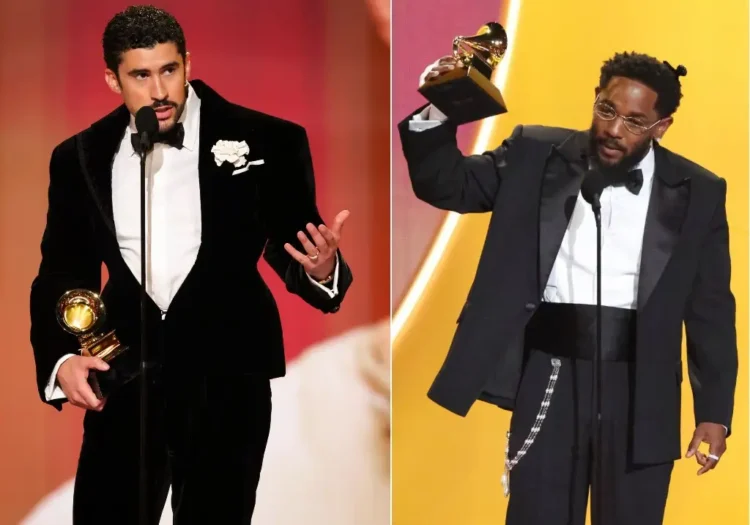
Puerto Rican superstar Bad Bunny, born Benito Ocasio, made history at this year’s ceremony by becoming the first artist with a Spanish-language album to win Album of the Year for Debí Tirar Más Fotos one of three awards he collected over the night. His powerful acceptance speech for Best Música Urbana Album became one of the night’s defining political moments.


AD: Oysterian Sea Food Restaurant And Bar
Bad Bunny becoming the first Puerto Rican Superstar to win a Spanish-Language Album of the Year
Before thanking collaborators and supporters, the singer began with a direct political statement: “Before I say thanks to God, I’m gonna say, ‘ICE out.’ We’re not savage, we’re not animals, we’re not aliens. We are humans, and we are Americans.” He urged listeners to fight hatred with love, framing compassion as a stronger force than hate.
The audience’s reaction including a standing ovation underscored the potency of his message. Many artists and attendees wore “ICE Out” pins and echoed similar sentiments.
Billie Eilish, awarded Song of the Year for “Wildflower,” used her own moment on stage to condemn ICE and demand continued protest and activism. “No one is illegal on stolen land,” she said, reaffirming that the Grammys had become a stage for cultural and political advocacy.
Billie Eilish Awarded Song of the Year with “Wildflower”
British artist Olivia Dean, named Best New Artist, referenced her immigrant heritage in her acceptance speech, describing herself as “a product of bravery” and celebrating the deeper cultural contributions of those who migrate.
Amid these statements, some winners were more direct in their rhetoric. In interviews and on the red carpet, artists such as Kehlani clearly expressed opposition to federal immigration enforcement agencies.
Yet it was Kendrick Lamar whose awards cemented his legacy in Grammy history. With multiple wins over the evening including Record of the Year for his collaboration with SZA on “Luther” Lamar increased his total Grammys to 27, overtaking other rap legends to become the most-awarded rapper in the ceremony’s history.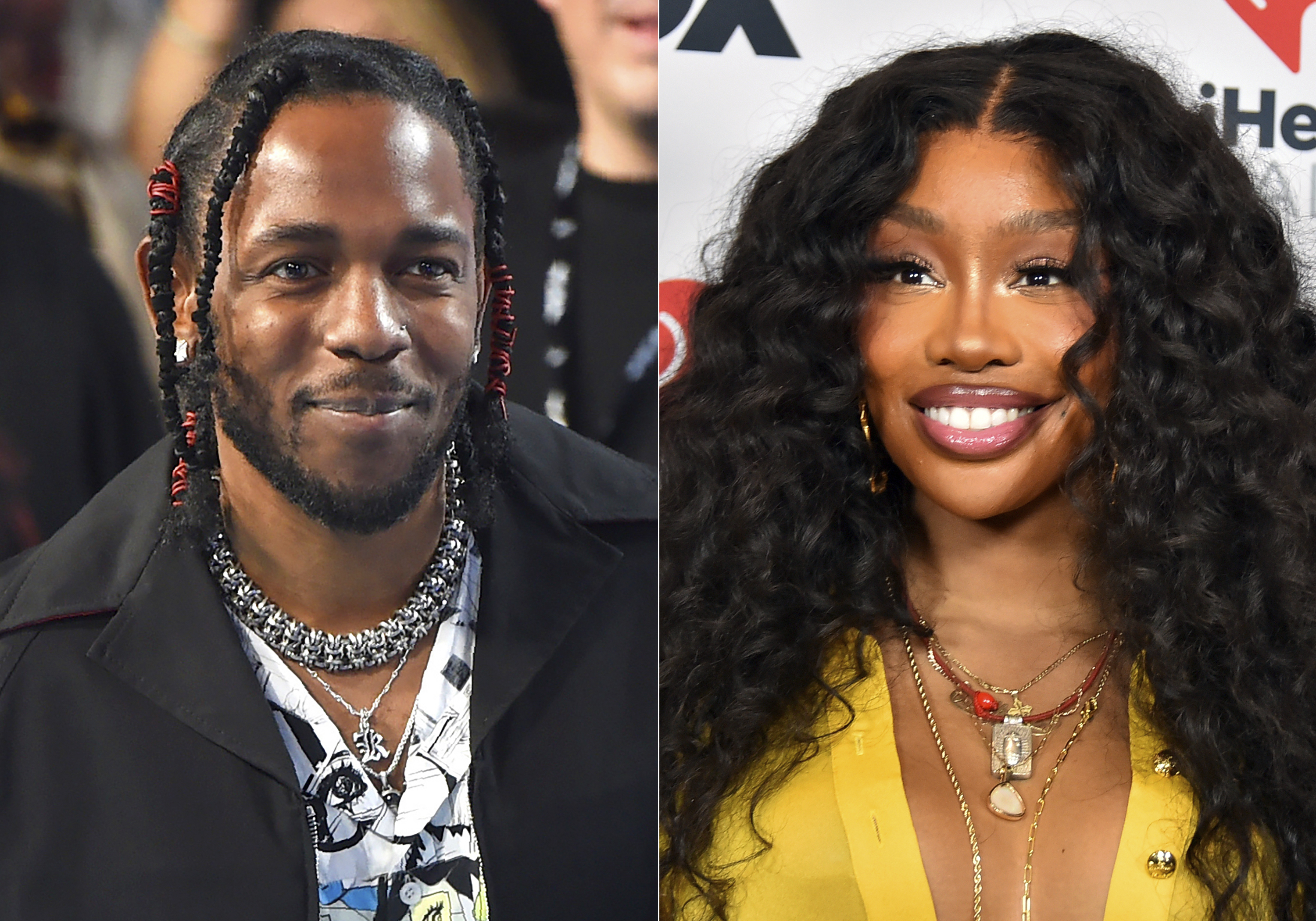
Kendrick Lamar Awarded with Record of the Year for his collaboration with SZA on “Luther”
Lamar’s wins were a testament to his enduring influence in hip-hop and popular music. In his acceptance remarks, he remained measured, focusing first on his art before touching on the broader responsibility artists have to reflect the world around them. His work, often rooted in personal and societal introspection, has long bridged the gap between entertainment and commentary.
A Grammys Defined by Music and Movement
While Bad Bunny and Kendrick Lamar stood out as the night’s headline winners, the ceremony was packed with other notable moments and socially conscious statements. Lady Gaga, Billie Eilish, Olivia Dean and others collected awards across genres, each bringing their own perspectives to the night’s overarching themes.
Some performances were just as impactful as the awards themselves. The evening saw a mix of styles, from pop and rock to R&B and Latin genres, showcasing the diversity and vibrancy of contemporary music. All along, artists used the Grammys to challenge audiences, often blurring the lines between performance and protest.
Critics of the Grammys argued that the increasing politicisation risked alienating portions of the audience and shifting focus away from musical craftsmanship. Supporters, however, saw the statements as part of a long tradition of artists standing up for social justice, echoing movements from civil rights to anti-war activism.
The Grammys once purely a night of entertainment had become, in 2026, a moment where millions watched artists speak in strongly political terms about human rights, dignity and the consequences of policy.
The prominence of anti-ICE sentiment at the ceremony has also drawn attention to recent events in the U.S., where enforcement actions and immigration policy have sparked protests and debate nationwide.
This backdrop helped shape the tone of speeches and personal statements from musicians throughout the night, as performers and winners sought to use their spotlight to advocate for change.
Amid celebrations of artistry, these moments underscored a broader question: where does the role of the artist end and the role of the activist begin? For many of this year’s winners, the two are inseparable music and message intertwined in ways that reflect both personal identity and collective struggle.
Ultimately, the 2026 Grammy Awards will be remembered not just for musical excellence historic wins by Bad Bunny and Kendrick Lamar among them but for how the ceremony crystallised a moment when music, politics and cultural identity collided on one of the world’s most visible stages.
The night went beyond celebration, becoming a reflection of the social tensions and moral questions shaping the lives of both artists and audiences.
Bad Bunny’s victories were especially emblematic of this shift. His historic success for a Spanish-language album signalled a changing industry, one more willing to recognise the global and multilingual realities of contemporary music.
Yet it was his outspoken condemnation of immigration enforcement policies that gave his wins deeper resonance. By using his acceptance speech to assert the humanity of immigrants, he reframed personal triumph as collective advocacy, demonstrating how representation can extend from sound and language into political solidarity.
Kendrick Lamar’s achievements reinforced a parallel narrative. Long celebrated for weaving social critique into his music, Lamar’s Grammy success underscored the idea that artistic depth and political consciousness are no longer niche qualities but central markers of excellence.
His measured presence on the night suggested confidence in letting the work speak for itself, even as its themes of power, inequality and accountability echoed through the broader atmosphere of the ceremony.
Across the event, repeated references to immigration, justice and human dignity signalled a collective willingness among artists to use the spotlight for more than self-promotion.
While some critics questioned the growing politicisation of awards shows, the Grammys’ tone reflected a belief that art cannot be separated from the conditions in which it is created. The juxtaposition of glamour and protest only heightened the impact of the messages delivered.
In doing so, the 2026 Grammys reaffirmed music’s enduring role as both mirror and megaphone capable of celebrating creativity while amplifying calls for empathy, accountability and change in uncertain times.

AD: Heritage And Restaurant Lounge Bar