
By James Simons-
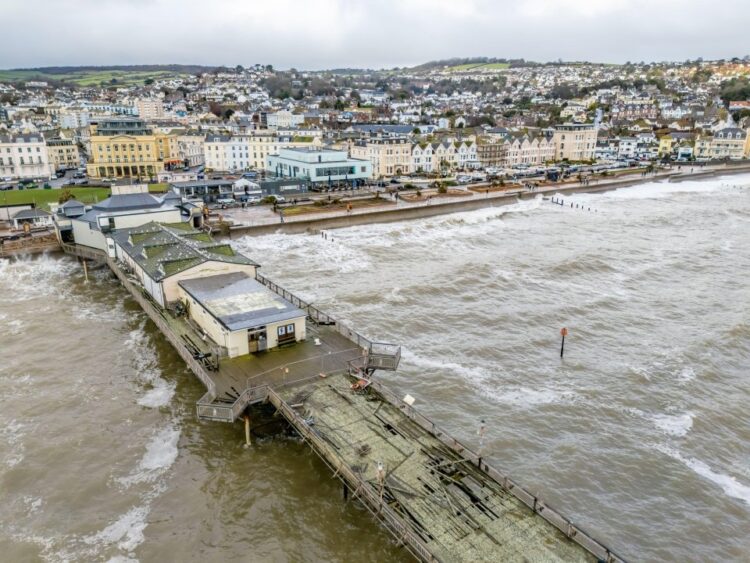
Storm Chandra has brought a rare “danger to life” severe flood warning to parts of south‑west England, where torrential rainfall and saturated ground are expected to cause deep, fast‑flowing floodwaters especially in vulnerable river valleys.
The Environment Agency has issued a red flood warning for the town of Ottery St Mary on the River Otter, urging residents to move to safety if it is safe to do so, and to take precautions such as turning off utilities and securing pets and vehicles.
Across the wider region, nearly 100 flood warnings meaning flooding is expected and almost 200 flood alerts, where flooding is possible, are in effect, with the relentless rain falling on already saturated areas.

AD: Capeesh Restaurant
Meteorologists warn that rainfall totals of 30–50 mm are likely across much of south‑west England, with 60–80 mm over higher ground such as south Dartmoor amounts that can rapidly overwhelm riverbanks and drainage systems.
The Met Office has confirmed that the storm’s deep low‑pressure system will continue to bring disruptive weather through Tuesday, with heavy rain, strong winds and even snow at higher elevations.
Strong winds, frequent downpours and the threat of coastal spray combine to create hazardous conditions for drivers, residents and anyone living near rivers or low‑lying areas.

AD: Oysterian Sea Food Restaurant And Bar
Officials have stressed the seriousness of the risk. A danger to life warning is one of the highest levels issued by the UK’s weather authority, indicating conditions where deep or fast‑flowing water could sweep people off their feet, trap occupiers in homes, or flood vehicles beyond rescue.
Emergency services are urging the public not to take chances, to avoid travel unless absolutely necessary, and to heed all local advice.
In some communities, already struggling from back‑to‑back storms this winter, the ground’s inability to absorb more rain has compounded the danger. Rivers such as the Otter are reported to have reached record levels, heightening the potential for destructive flooding.
The risk isn’t limited to the south‑west. Flood alerts and amber weather warnings for rain stretch into Dorset, Somerset, Cornwall, Wales and parts of south‑east England, while strong wind warnings are in place elsewhere, including Northern Ireland.
Travel disruptions remain widespread: major roads have closed due to standing water, railway services are halted or delayed, and local authorities have advised commuters to expect delays and possible isolation in areas where bridges and routes are submerged.
Travel Chaos, Community Impact and Safety Advice
Storm Chandra’s impact has already been felt across transport networks and communities, highlighting how severe weather can quickly escalate into chaos on the ground. Roads in Dorset, Somerset and east Devon have been closed due to flooding, while rail services between key southern cities remain suspended or delayed as crews cope with water‑logged tracks and fallen trees.
Public transport chaos has extended to ferry services and flights, with cancellations and reroutes compounding the challenge for travellers. At least a dozen flights from UK regional airports have been grounded, and ferry crossings have been suspended where wave action or flooding makes docks unsafe.
Drivers have been reminded that even shallow floodwater can be deadly. Official guidance warns that as little as 15 cm (6 in) of water can cause loss of control of most cars, and deeper water can wash vehicles off the road entirely. Emergency services have urged motorists to turn around rather than drive through floodwater.
The RNLI the Royal National Lifeboat Institution has also warned of dangerous coastal conditions, especially in south‑west coastal locations. With ground already extremely wet, riverbanks slippery and cliff edges unstable, even riverside and estuary environments pose serious risks to those near the water’s edge.
Local authorities have taken additional steps to protect communities. In southern counties, crews have been deployed to reinforce flood defences, clear drains and place sandbags around homes in known floodplains. Temporary shelters have been prepared for residents who may need to evacuate.
Officials emphasise that preparation and early action save lives urging residents to follow guidance from councils, the Environment Agency and emergency services.
Children and families have also felt the storm’s effects. Schools across parts of Northern Ireland, Devon and the West Midlands have closed as a precaution amid storm‑related hazards, including falling trees, flooding around school grounds and unsafe travel conditions.
Weather watchers point out that this storm follows closely on the heels of Storm Goretti and Storm Ingrid, which recently caused extensive damage, flooding and power outages across much of the UK leaving landscapes already weakened and more susceptible to severe impacts from subsequent weather systems.
Looking ahead, meteorologists caution that parts of northern England, Scotland and Wales may also experience significant snowfall, especially over upland areas. This mixed weather scenario heavy rain in the south and snow in the north underscores the complexity of Chandra’s threat and the varied hazards it presents.
Authorities continue to monitor river levels, wind speeds and emerging weather data closely as conditions evolve. The Met Office’s “WeatherReady” guidance reminds the public that conditions can change rapidly, and staying informed via official channels is essential.

AD: Heritage And Restaurant Lounge Bar