
By Ben Kerigan-
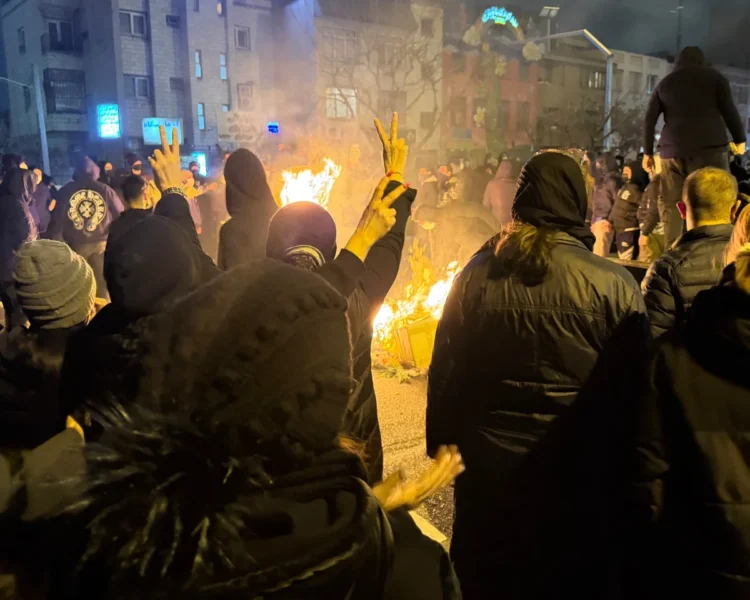
The conflict between Iran’s government and mass anti-establishment protesters entered a perilous new phase on Wednesday, 14 January 2026, as the reported death toll from nationwide unrest surged past 2,500.
At the same time, U.S. President Donald Trump issued a strong warning to Iranian authorities against carrying out executions of detained demonstrators, a threat that could reverberate through an already volatile geopolitical landscape. It is not the first time, the American president has issued such warning.

AD: Capeesh Restaurant
According to figures released by the U.S.-based Human Rights Activists News Agency (HRANA), at least 2,571 people have been killed since protests erupted several weeks ago, with more than 18,100 detained in connection with the demonstrations numbers activists say far exceed previous unrest in decades.
The protests, which began in late December over economic hardship and dissatisfaction with the country’s clerical leadership, rapidly evolved into broader anti-government demonstrations encompassing cities from Tehran to Isfahan and beyond.
Initially sparked by rising inflation and unemployment, the rallies have morphed into some of the largest challenges to the ruling establishment since the 1979 Islamic Revolution.

AD: Oysterian Sea Food Restaurant And Bar
State media coverage and official statements have emphasised a swift assertion of authority, even as international rights groups condemn what they view as arbitrary trials designed to crush dissent.
Witness accounts and limited reporting suggest that the crackdown has involved widespread use of live ammunition, batons and tear gas, with hospitals reportedly overwhelmed and overwhelmed morgues struggling to cope with the influx of casualties.
Communications blackouts and internet restrictions imposed by authorities have made independent verification of events inside Iran increasingly difficult, although activists have utilised alternative channels, including Starlink satellite connections, to share accounts and footage.
One of the focal points of international concern has been the reported imminent execution of protester Erfan Soltani, a 26-year-old man arrested in the city of Karaj in the early days of the unrest. Iranian Kurdish rights groups have reported that Soltani and others face death sentences after summary trials, raising alarm among human rights organisations.
In a televised address and subsequent media interviews, President Trump warned Tehran that carrying out such executions would prompt “very strong action” from the United States.
Although he did not specify precisely what measures Washington might take, Trump invoked previous U.S. military and security operations in other regions as examples of decisive responses to threats, framing potential action as a defensive stance against further mass violence.
Trump also reiterated support for Iranian protesters in public statements and social media, punctuating that “help is on the way” for those resisting government repression. Some U.S. officials have hinted that a spectrum of options from heightened sanctions to strategic military posturing are under consideration if the situation deteriorates further.
Tehran’s Response and Inheritance Reaction
Iranian authorities have dismissed U.S. threats as attempts to destabilize the country and foment chaos. In official statements, government representatives accused Washington of pursuing a “regime change” agenda under the guise of protecting protesters, framing the unrest as part of a broader foreign-driven confrontation.
State media have commemorated security personnel killed during the protests with funeral processions and patriotic ceremonies, portraying the government’s actions as necessary defenses against “terrorist elements” allegedly incited by external forces.
The United Nations has been drawn into the diplomatic fray, with Iran’s UN mission urging the Security Council to condemn what it described as threats of force and interference by the United States. Iranian representatives claimed that external pressure only exacerbated internal instability and undermined sovereignty.
Countries across Europe have expressed alarm at the mounting death toll and the looming prospect of executions. Several European governments summoned Iranian diplomats for discussions, demanding accountability and restraint.
The European Commission, echoing widespread concern, described the spike in casualties as “horrifying” and called for an immediate cessation of lethal force against demonstrators.
Meanwhile, other regional powers have taken cautious positions, balancing diplomatic ties with concerns over escalating conflict. Calls for de-escalation and adherence to international human rights norms have emerged from blocs including the Arab League and the Organization of Islamic Cooperation, adding pressure on Tehran to moderate its response.
Inside Iran, the human cost of the unrest continues to mount. Families of the deceased and detained have organised vigils and small gatherings, even as security forces maintain a pervasive presence in urban centers.
Hospitals and emergency services, already strained by resource shortages, struggle to handle the influx of wounded, many suffering from gunshot wounds and other severe trauma.
The economy already weakened by longstanding sanctions and internal fiscal mismanagement shows signs of further strain as protests disrupt commercial activity and depress investor confidence. Small-business owners and wage earners, who formed much of the initial protest base, face an uncertain future amid deepening instability.
Despite the risk of reprisals, many protesters remain defiant. Opposition figures in exile, including monarchist and democratic activists, have released statements urging demonstrators to persist in their demands for systemic reform.
Some senior voices have appealed directly to elements within Iran’s military and security apparatus to reconsider loyalty to the Supreme Leader and protect civilians.
Social media platforms though heavily restricted inside Iran have served as vital conduits for protest coordination and international solidarity, with diaspora communities amplifying reports of repression and organising support networks for families affected by the crackdown.
The crisis displays no evident indication of lessening. With the death count exceeding 2,500, international pressure increasing, and domestic oppression escalating, Iran is at a pivotal moment. The potential for executing detained protesters and the related U.S. reaction raises an unresolved issue with possibly significant effects on regional stability and international diplomacy
Observers caution that if Tehran proceeds with capital punishment for protesters, it could mark a dramatic escalation in a conflict already characterised by extraordinary loss of life and deep societal polarisation.
Meanwhile, world leaders continue to debate the appropriate balance between diplomatic engagement, economic sanctions and broader strategic deterrence to avert further bloodshed.
The Iranian government had on Monday said it was willing to negotiate, but there has been no forthcoming action in this regard.

AD: Heritage And Restaurant Lounge Bar