
By David Young-
A noticeable increase in mountain rescue missions involving young men has prompted concern from emergency services and outdoor safety professionals. Across multiple countries including the United Kingdom and the United States, rescue teams have reported a series of incidents where under‑prepared hikers and climbers required emergency assistance on challenging terrain.
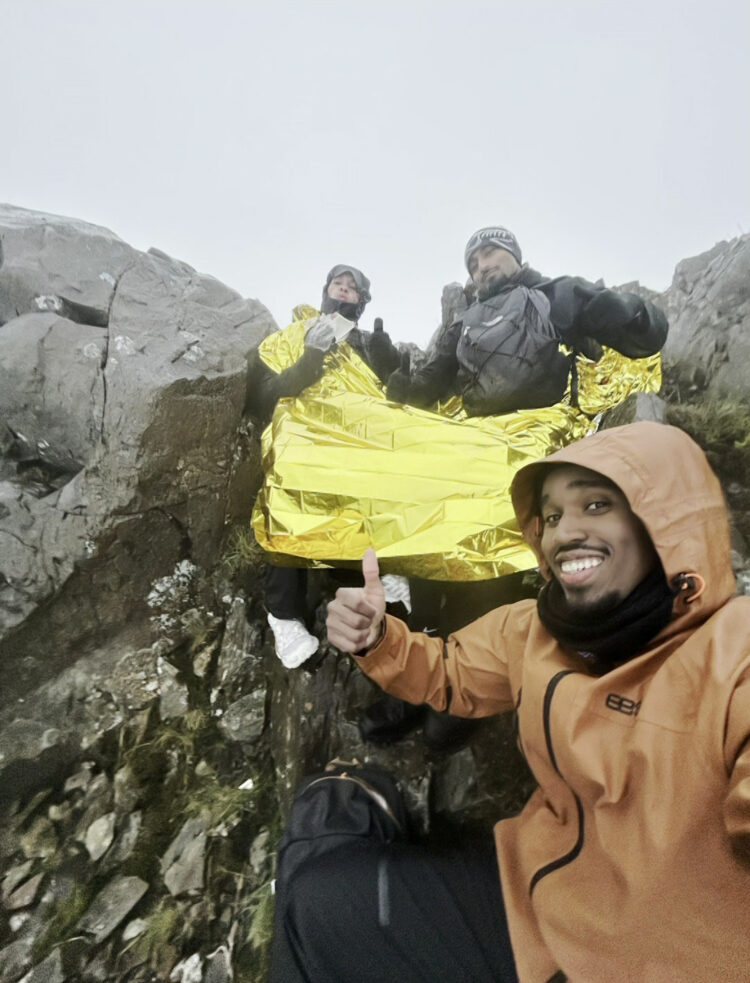
Several mountain rescue organisations have said that young men, particularly those aged in their late teens and early twenties, are disproportionately represented among recent calls for help. In one striking example in Wales, Llanberis Mountain Rescue Team responded to multiple call‑outs in November involving men under the age of 24 on Crib Goch, a steep ridge on Yr Wyddfa (Snowdon).

AD: Capeesh Restaurant
The team said the terrain there was frequently underestimated, leading to difficult extraction work as conditions changed and walkers found themselves in danger.
Crib Goch is known locally as one of the more demanding scrambling routes in the region. What can appear to be an attainable challenge for confident walkers can quickly become treacherous as weather and ground conditions shift. Members of the rescue team described November as particularly busy, with young men calling for help after misjudging the difficulties posed by the ridge.
One such individual rescued from the ridge admitted that overconfidence and a lack of planning contributed to his predicament. Despite having completed notable walking challenges before, he and his friends set off without thorough preparation and soon found themselves struggling on exposed ground.

AD: Oysterian Sea Food Restaurant And Bar
Mountain rescue teams across the UK report that calls for assistance have been increasing steadily over the past few years. Published analysis of rescue data from England and Wales revealed that rescue call‑outs rose by nearly 24 % between 2019 and 2024, and that incidents involving people aged 18 to 24 almost doubled over the same period.
Social media trends and mobile navigation apps have been highlighted as possible factors in this rise, drawing inexperienced hikers to scenic but perilous spots without adequate route‑finding skills or equipment.
Despite being among the most visually stunning hiking destinations, the Lake District and Snowdonia are also home to some of the UK’s most hazardous terrain.
Rescue teams such as Wasdale Mountain Rescue reported numerous call‑outs throughout the year, with several incidents tied to steep routes and unpredictable ground conditions. Reports mapping rescue responses showed repeated missions involving falls and walkers stranded on high ground, illustrating the sustained demand for emergency services.
Similar patterns have emerged in North America. In New Hampshire’s Mount Monadnock, two 18‑year‑old hikers were found wet and freezing after unintentionally falling into a brook during an unplanned evening hike. Rescuers determined that the lack of cold‑weather gear and insufficient preparation placed the pair at serious risk.
Authorities recommended that the hikers be billed for rescue costs due to the perceived negligence and urged the public to follow established safety codes emphasising personal preparedness.
Other incidents of young hikers requiring rescue have been reported in regions such as the White Mountains of New Hampshire, where under‑prepared individuals have strayed from marked trails and needed extended search and rescue efforts to bring them to safety.
Fatalities also serve as stark reminders of the risks inherent in mountain environments. In Scotland, a 22‑year‑old climber died after falling from Ben Nevis, the country’s highest peak, when conditions turned hazardous. His companion required rescue for injuries sustained in the same incident.
Mountains like Ben Nevis are known for a long history of rescue missions and fatalities, with challenging weather and complex topography contributing to repeated emergencies.
The trend is not limited to winter or cold weather. Rescue teams in Italy’s Dolomites have faced a sharp rise in missions as heat waves pushed hikers to higher, perilous altitudes in search of cooler terrain. One British hiker in the region faced a significant fine after calling for help on a closed trail, underscoring both the increasing number of incidents and debates over responsibility and accountability in high‑risk recreation areas.
Experts and rescue professionals point to several factors underlying the recent surge in incidents involving young men. Outdoor safety specialists note that the popularity of social media platforms has influenced hikers’ choice of destinations.
Scenic views and photo opportunities are widely shared, drawing people to “honeypot locations” that may have challenging approaches or little margin for error. Without proper navigation skills or realistic assessment of conditions, these spots can quickly exceed a walker’s ability to stay safe.
Reliance on mobile devices for navigation also carries risks. Some apps lack detailed topographic data or require internet connections, leading hikers to rely on incomplete information. Traditional map reading and route planning skills, often undervalued in the digital age, remain essential for safe travel in remote areas.
Rescue coordinators emphasise that technological tools should complement, not replace, foundational outdoor navigation education.
Emergency services and volunteer rescue teams echo these concerns. Mountain rescue volunteers are highly trained and operate under challenging conditions, often risking their own safety to assist those in distress. In the UK, teams such as Llanberis Mountain Rescue and Wasdale Mountain Rescue work year‑round to support hikers and climbers across popular mountain ranges, balancing increasing call‑out rates with the limitations of volunteer‑led operations.
The human toll of these incidents is undeniable. Families and communities are left grappling with the aftermath of accidents that might have been avoided through better preparedness. In some tragic cases, young lives have been lost or permanently altered.
The pressure on rescue teams also raises broader questions about how mountain safety messaging and outdoor education are delivered to novice hikers, particularly in an era when bold photos and exciting experiences are shared instantly online.
Responses from officials have included amplified safety campaigns, emphasising thorough trip planning, weather awareness, and proper gear. Organisations urge hikers to check forecasts before summiting, carry adequate food and water, wear appropriate boots and clothing, and always let someone know their expected route and return time.
Local rescue teams and outdoor groups have increased outreach efforts to inform the public about the realities of mountain terrain and the value of incremental skill building. In some regions hikers are encouraged to begin with less demanding routes and gain experience under controlled conditions before attempting advanced trails.
Despite the heightened risk, outdoor recreation continues to attract young enthusiasts seeking adventure and challenge. Mountains, ridges, and high summits remain powerful draws for those looking to push themselves physically and emotionally. Yet each rescue operation underscores the need for respect toward unpredictable conditions and the importance of preparation.
Volunteers who serve on the front lines of mountain rescue reflect a shared commitment to safeguarding outdoor enthusiasts. Their work highlights the rewards and hazards of mountain recreation alike.
With teams adapting to increasing call volumes, emphasis on preventive education, personal responsibility, and community engagement remains central to reducing future emergencies.
Trekking and climbing will forever provide chances for personal accomplishment, but the increasing frequency of rescues involving young men highlights that thrill without adequate preparation can turn adventure into danger.

AD: Heritage And Restaurant Lounge Bar