
By Sammy Jones-
Winter weather has taken centre stage across large swathes of the Northern Hemisphere and beyond, delivering a stark reminder of the ferocity and unpredictability of seasonal climate patterns.
From heavy snow and icy hazards threatening travel in the northeastern United States to wintry conditions shaping festive days in Europe and snow-covered peaks down under, communities are navigating hazardous conditions at the tail end of 2025.

AD: Capeesh Restaurant
These events are not isolated, but part of broader patterns of winter storms and regional climate variability that meteorologists say will shape the season into early 2026. In the United States, authorities have issued urgent winter storm warnings for the New York City area and surrounding regions, where heavy snowfall over the weekend threatened to disrupt travel and daily life.
Meteorologists forecast significant snow accumulation as a powerful storm sweeps across the northeastern states, bringing ice, freezing rain and deteriorating road conditions that coincide with a peak travel period.
Major highways and public transport systems could see delays, while airports including JFK, LaGuardia and Newark Liberty prepare for potential cancellations and disruptions as holiday commuters attempt to conclude their seasonal journeys.

AD: Oysterian Sea Food Restaurant And Bar
Snowfall totals have been predicted to reach several inches, with localised bands perhaps exceeding eight inches in elevated areas such as the Hudson Valley and parts of northern New Jersey.
These conditions create a complex challenge for interstate travel, with snow and ice combining to form hazardous surfaces and reduced visibility.
Travel advisories urge motorists to check weather updates and consider adjusting plans in light of the storm’s timing, which dovetails with the traditional post-Christmas movement of millions on the road and in the air. Such storms have a long history in the region; past events have shut down major transport corridors and stranded vehicles amid heavy snowfall.
Harsh Conditions Across Continents
Across the Atlantic, winter weather is also making its presence felt in Europe, where snow and frost have been forecast to affect northern and mountainous regions over the Christmas weekend.
These conditions have knocked temperatures well below seasonal averages and created travel hazards, with rough seas and gusts affecting coastal regions and impeding ferry services. Authorities across affected zones have advised caution on roads and have activated winter response measures including salt spreading and public safety alerts.
Although much of the United Kingdom experienced generally dry and cold weather on Christmas, falling temperatures and strong winds prompted health and travel alerts in parts of England and Wales, with officials emphasising the cumulative risks of cold exposure and the need for precautions. Frost and freezing temperatures were expected in rural areas overnight, with a strong chill persisting into Boxing Day.
In the Southern Hemisphere, winter’s touch was evident in Australia’s Tasmania, where Christmas morning delivered snow to high elevations overlooking Hobart, creating a rare sight that delighted residents and visitors alike. Kunanyi/Mount Wellington reported sub-zero temperatures and a light dusting of snow, bringing wintry imagery to celebrations in a state that exists at the southern edge of the continent.
Wider conditions across Australia’s east coast remained varied, with other regions grappling with heavy rain, damaging winds and the potential for flooding. Northern parts of the continent faced flood warnings as monsoon troughs and persistent rainfall threatened river catchments in the Northern Territory and Queensland, with forecasts of significant rain totals pushing risk levels higher through the holiday weekend.
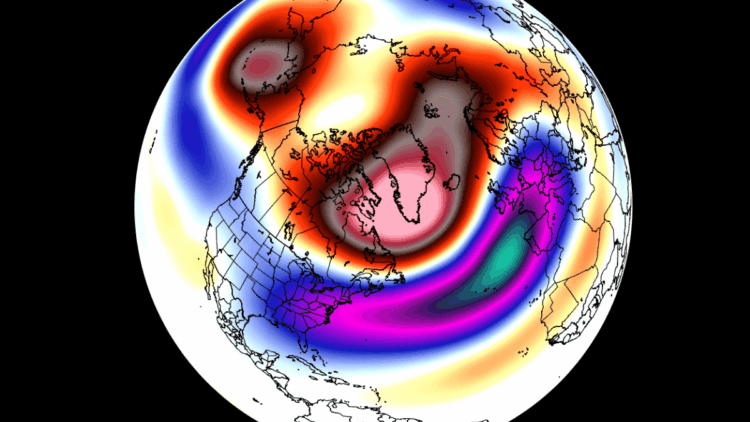
Across all these regions, the weather patterns reflect the seasonal complexity of late December climates, influenced by Arctic air masses, oceanic moisture and atmospheric dynamics that propel cold fronts and precipitation events.
In North America, meteorologists point to the confluence of cold Arctic air and moisture influxes from the Atlantic and Gulf of Mexico as key drivers of the intense storms affecting the East Coast and interior states.
In Europe, winter systems form as polar air interacts with Atlantic weather systems, pushing cold air inland and producing snow at elevations where it can quickly accumulate.
Meanwhile, the persistent warmth and heavy rain in parts of Australia highlight the global diversity of seasonal weather phenomena, even as they underline shared vulnerabilities to extreme conditions.
Impact on Travel, Safety and Daily Life
The impact of these winter weather systems has been significant. In the northeastern United States, snow and ice are complicating late-holiday travel plans, with airports and road networks bracing for delays.
Heavy snow can hinder ploughing and salt treatments, creating dangerous conditions on highways and local roads, and leading to flight disruptions and cascading travel logistics issues.
In Spain and other parts of Europe, winter warning systems have activated public safety protocols, encouraging drivers to exercise caution on icy roads and advising travellers to monitor forecasts closely. Snow and frost have the potential to affect mountain passes and rural routes where winter maintenance is less frequent, raising the risk of accidents or stranded vehicles.
Tasmania’s snow provided a seasonal spectacle rather than disruption, yet it underscores how winter weather can arrive abruptly even in regions unaccustomed to heavy snowfall.
The contrast between snow-covered peaks and warmth elsewhere in Australia also highlights the uneven spatial distribution of extreme weather, which can have implications for tourism, transportation and public services.
In the Northern Territory and Queensland, heavy rain and flood warnings have prompted local authorities to mobilise emergency services and community support systems, emphasising the need for residents to stay informed and prepared for rapidly changing conditions. Flooding risks can escalate quickly in low-lying areas, with river systems prone to rising levels after sustained rainfall.
Across all affected regions, authorities emphasise preparedness and caution. Road maintenance crews, emergency responders and weather services stress the importance of staying updated with forecasts, travelling only when necessary in severe conditions, and having appropriate supplies and equipment when venturing outdoors.
These measures are crucial for reducing risks associated with winter weather, particularly in areas where conditions can shift rapidly and unexpectedly.
The broader trend in 2025–26 winter patterns suggests continued active weather through the season, with long-range forecasts indicating persistent periods of cold and snowfall across both North America and Europe.
Meteorologists note that Arctic air masses and atmospheric circulation may drive additional storm systems later in the season, potentially leading to more widespread snow events and winter hazards before spring arrives.
Winter weather profoundly affects communities worldwide, influencing daily life, travel, and safety during a time of year known for significant meteorological activity. From snow and wind to rain and other hazards, winter’s impact is widespread, requiring preparation from individuals, authorities, and infrastructure planners as 2025 ends and the new year begins.

AD: Heritage And Restaurant Lounge Bar