
By James Simona-
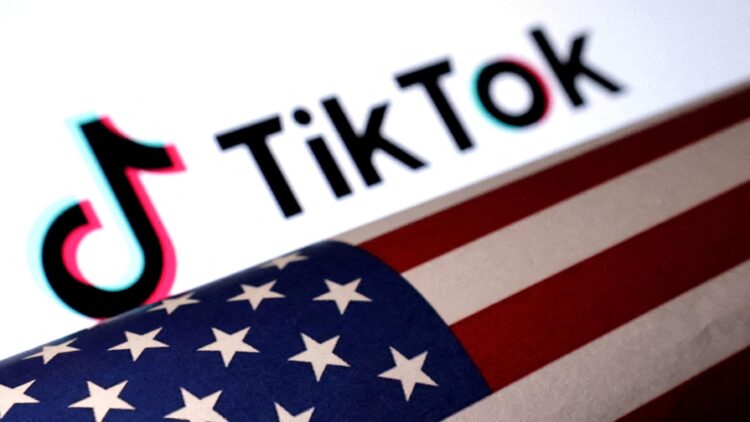
In a dramatic turn of events after years of political tension and legal battles, TikTok’s Chinese parent company has signed binding agreements to restructure the social media giant’s U.S. operations in a bid to avoid a nationwide ban.
The deal, announced on 18 December 2025, represents a major milestone in the platform’s long-running effort to maintain its presence in the United States under a new ownership framework that satisfies U.S. national security concerns.

AD: Capeesh Restaurant
The new arrangement will create a U.S.-based joint venture that is majority controlled by American and international investors, significantly reducing the Chinese firm’s stake.
TikTok’s Chief Executive communicated the development to staff in an internal memo, underscoring that the agreement lays the groundwork for continued operations in the U.S. a market with more than 170 million active users.
This resolution comes after a period of escalating government scrutiny and legislative pressure, which culminated in a 2024 law requiring ByteDance to divest TikTok’s American assets or face an outright ban. With enforcement deadlines repeatedly extended, the company has navigated a complex geopolitical and regulatory landscape to engineer a compromise that might preserve its U.S. footprint.

AD: Oysterian Sea Food Restaurant And Bar
Deal Structure and Key Players
Under the terms of the agreement, TikTok’s U.S. operations will be transferred to a newly formed joint venture, named TikTok USDS Joint Venture LLC. The consortium of investors includes major technology and investment firms such as Oracle, private equity firm Silver Lake, and Abu Dhabi-based MGX.
These investors will collectively hold a controlling stake in the new entity, while ByteDance’s ownership will be capped at 19.9 percent a threshold set to address longstanding concerns in Washington about foreign influence and access to user data.
Oracle’s role in the venture extends beyond equity participation. The company is expected to serve as a trusted security partner responsible for overseeing the storage and protection of U.S. user data, a key sticking point in government negotiations. U.S. policymakers have been particularly wary of potential risks tied to data privacy and algorithmic influence, citing fears that foreign adversaries could exploit the platform’s extensive network and sophisticated recommendation mechanisms.
The joint venture’s governance structure will include a majority-American board of directors, reinforcing the transition toward domestic control. In theory, this shift aims to reassure legislators and intelligence officials that the platform will operate with greater autonomy from its Chinese origins while safeguarding sensitive data and content moderation policies.
ByteDance’s reduced stake marks a significant recalibration of power. For years, the company resisted relinquishing control of TikTok’s U.S. business, arguing that forced divestment would undermine its operational integrity and harm its community of creators and advertisers. However, the evolving regulatory environment and legal requirements ultimately shaped a deal structure that allows the app to remain accessible to American users while meeting political demands.
The agreement must still clear regulatory and competitive reviews before its scheduled closing on 22 January 2026, but its signing represents a critical step toward resolution. If finalised, it would likely put an end to the ongoing uncertainty that has clouded TikTok’s status in one of its most influential markets.
Political Backdrop and Implications for the Tech Industry
TikTok’s battle to remain in the United States has played out against a backdrop of shifting political priorities and bipartisan concerns over digital platforms tied to China. The legislative push that triggered the current deal began in earnest in 2024, when the U.S.
Congress passed the Protecting Americans from Foreign Adversary Controlled Applications Act, a law designed to counter perceived security risks posed by foreign-owned technology platforms. Under this statute, companies deemed controlled by foreign adversaries faced strict requirements to divest U.S. interests or be banned outright.
That legislation emerged from mounting anxieties about data privacy, algorithmic influence, and potential avenues for foreign interference in American civic life. Lawmakers argued that TikTok’s parent company, based in China, could be compelled to share sensitive user information with Chinese authorities or tailor content in ways that could affect public opinion.
While such claims were contentious and not universally accepted, the political momentum behind them proved decisive in shaping policy.
Over successive administrations, enforcement of the law has been delayed as negotiators worked toward a compliant ownership arrangement. Former President Donald Trump, who first sought to ban the app in 2020, extended deadlines and backed efforts to craft a U.S.-centric solution that would preserve domestic access while limiting foreign control.
These iterative extensions bought time for talks that now appear to bear fruit.
The broader implications of the deal extend beyond TikTok itself. It sets a precedent for how contentious foreign-technology issues might be resolved in an era of intensifying technological rivalry between the United States and China.
Other foreign-linked platforms and services could face similar scrutiny in the future, particularly as geopolitical tensions continue to make data sovereignty and digital governance core concerns of national policy.
Tech industry leaders are likely watching the situation closely, as the outcome may influence how multinational digital platforms structure their operations to comply with regulatory expectations in major markets. Companies with global footprints often face the challenge of balancing regulatory compliance in one jurisdiction with operational cohesion across borders. TikTok’s negotiated settlement could become a model for other firms navigating analogous pressures.
For American creators, advertisers, and users, the deal offers a reprieve from the prospect of losing access to one of the most popular social media platforms. TikTok’s influence on youth culture, marketing, and digital trends has grown significantly, making its potential absence conspicuous in both commercial and social spheres.
By averting a ban, the new structure aims to preserve these cultural and economic contributions while addressing political and security anxieties.
With the arrangement, however, caution that the reconfiguration may not fully eliminate national security concerns or guarantee the platform’s independence from Chinese technological influence.
Some analysts argue that retaining any level of ByteDance involvement could complicate perceptions of control and oversight, particularly as artificial intelligence and algorithmic recommendation systems become deeper sources of competitive advantage and scrutiny.
Despite these apprehensions, the agreement marks a definitive turning point in TikTok’s saga. After years of looming deadlines, legislative urgency, and high-stakes negotiations, the platform’s continued presence in the U.S. now hinges on a novel governance model that blends domestic oversight with residual ties to its original creator.
Stakeholders across the tech sector and policy community will be watching closely as the transition unfolds and the new entity begins operation.
The outcome also resonates with broader debates on digital sovereignty, national security, and the future governance of global technology platforms.
As governments seek to balance openness with security, TikTok’s negotiated accommodation could serve as a bellwether for how digital infrastructure is governed in an increasingly interconnected and politically complex world.
The coming weeks and months, leading up to the finalization of the joint venture, will test the viability of this model and potentially shape the contours of U.S. technology policy for years to come. With the clock ticking toward the January deadline, both investors and regulators are preparing for the launch of a new chapter in TikTok’s extraordinary American journey.

AD: Heritage And Restaurant Lounge Bar