
By Tim Parsons-
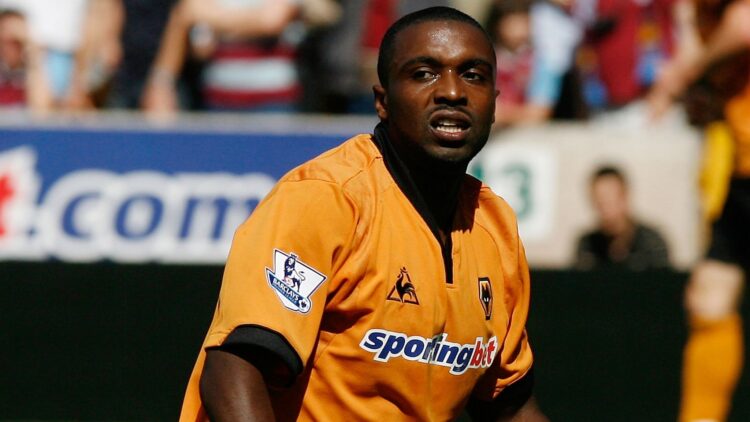
A former Premier League footballer has won a court case against a leading surgeon, after the player argued an unnecessary procedure had brought his career to a “premature end”.
Ebanks-Blake, who played for eight clubs in six years as he continued to battle with injury setbacks, successfully sued his then surgeon, Professor James Calder, for more than £7m in damages – accusing him of performing ‘destructive’ surgery and ultimately ending his top-flight career

AD: Capeesh Restaurant
Ebanks-Blake said the procedure “gave rise to inflammation”, and sped up the development of osteoarthritis in his ankle. He added that the surgeon failed to properly inform him of the risks associated with the procedure.
His lawyers said the operation resulted in “stiffness and reduction of movement” in his left ankle when it had previously been fine.
The striker was subsequently transferred to Championship club Ipswich Town later that year but he continued suffering with pain despite having regular steroid injections.

AD: Oysterian Sea Food Restaurant And Bar
Professor Calder denied the claims and argued the treatment prolonged the Premier League footballer’s career, as he played for another six years before retiring in 2019.
Judge Christina Lambert found the surgery, known as arthroscopy, did contribute towards the decline of Ebanks-Blake’s health.
“I am satisfied on balance that, but for the arthroscopy, the claimant would have returned to his pre-accident pain-free state,” she said.
During the trial in London earlier this year, Ebanks-Blake’s barrister, Simeon Maskrey KC, said the “onset of symptoms and the development and acceleration of osteoarthritis brought the claimant’s footballing career to a premature end”.
Defending the claim, Professor Calder said the injuries were significant and that it would have been negligent not to have performed the surgery.
Mrs Justice Lambert said Ebanks-Blake had suffered a “modest acute ankle fracture only”.
“Taking all of these factors into account, I am satisfied that the decision to undertake arthroscopy, and the other procedures, was neither reasonable nor logical,” she said.
“The removal of the scar tissue destabilised the joint by removing the cushioning and by altering the biomechanics of the joint leading to increased movement of the joint, increased instability and acceleration of degenerative change in the ankle joint.”
Ebanks-Blake started his career in 2002 at 15, playing for Manchester United’s youth academy, making his first team debut in 2004. He suffered an injury to his lower left leg after being tackled a year later, but was able to continue playing after taking the rest of the season off.
In 2008, he signed with Wolves where he became their top goal scorer, until the collision with a defender in 2013.
Ebanks-Blake told the court the other player’s full body weight had landed on the lower part of his left leg, the same area as the previous injury.
A further hearing to assess the amount of damages that are to be paid will take place at a later date.

AD: Heritage And Restaurant Lounge Bar