
By Chris Williamson-
Across the United Kingdom, delivery drivers contracted by Evri the major parcel courier once known as Hermes are speaking out about intense pressure to deliver high volumes of packages under a pay structure that many describe as unfair and unsustainable.
Drivers, who are typically classified as self-employed and paid per parcel rather than by the hour, say that the system forces them into difficult choices between earning a basic wage and delivering packages properly to customers’ homes.

AD: Capeesh Restaurant
Reports of parcels being left hastily at back doors or thrown into gardens have become shorthand for the strain under which these couriers are operating, raising questions about labour practices in the modern gig economy and the consequences for workers and customers alike.
Couriers with experience at various depots describe gruelling workdays in which every delivery counts towards their take-home pay. Earnings are calculated strictly on successful parcel drop-offs, meaning time spent scanning packages, sorting them into vehicles or waiting at depots goes unpaid.
Some drivers say that, without delivering a package, they earn nothing, effectively creating a pay-by-delivery treadmill. In online discussions and social media forums, couriers vent frustrations about having to choose between spending several extra minutes waiting for recipients to answer or making the next delivery to earn money.

AD: Oysterian Sea Food Restaurant And Bar
This dilemma, they say, contributes to hurried behaviour such as leaving packages at the back or side door instead of knocking or ringing the bell or worse, throwing them over fences and hoping they remain undamaged.
The fundamental issue lies in Evri’s pricing model for couriers. Rates per parcel can vary significantly based on size, weight and route classification, but typical figures reported by drivers place payments at just a few tens of pence per item.
Industry blogs and driver testimony have quoted common rates such as £0.38 per small item and up to £1.00 for larger boxes, with the onus on couriers to deliver as many parcels as possible to maximise earnings.
These figures, many workers say, frequently fail to account for the time spent preparing, sorting and travelling between stops all of which effectively reduce the real hourly income couriers receive.
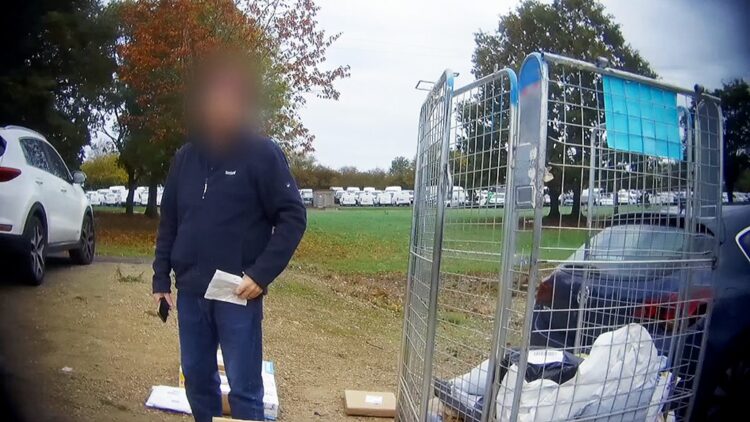
Inside depots, experienced couriers recount fierce competition for parcel collections, with dozens of drivers jockeying for space to load their vehicles in tight conditions before starting the day’s deliveries.
Drivers often arrive early, only to wait for large lorries to arrive with the day’s parcels, meaning momentum and pay don’t begin until well into the morning. One long-time courier shared that paperwork, scanning and loading can take hours before the first parcel is delivered a period that goes completely unpaid under the per-delivery remuneration scheme.
These pressures are exacerbated during peak periods such as the busy winter holiday season, when parcel volumes soar and couriers are pushed to deliver ever larger numbers of packages in constrained time frames to try to boost their income.
In online conversations, some drivers describe delivering hundreds of parcels a day and still falling short of a reliable weekly income once fuel, vehicle maintenance and other costs are factored in. Others report that changes to parcel classifications by the company have reduced the number of items that attract higher pay rates, effectively lowering average earnings even while workloads grow.
At the heart of couriers’ grievances are concerns about fairness and transparency. Many feel that the company’s self-employed status for drivers strips them of basic employment protections, leaving them vulnerable to unpredictable earnings and a lack of guaranteed support if they face issues such as vehicle breakdowns or illness.
While Evri has introduced a “self-employed plus” (SE+) scheme in partnership with the GMB union that offers benefits like paid holiday and a minimum wage guarantee for members, couriers outside that classification still face significant fluctuations in income.
Critics of the system point to parliamentary scrutiny of these conditions. Members of the UK Business and Trade Committee have raised concerns about persistent complaints from couriers, including low pay, unachievable delivery targets and alleged intimidation when drivers push back against unreasonable expectations.
Some whistleblower accounts describe an environment where management responds to pressure for higher parcel volumes or faster delivery with indirect leverage over drivers’ access to future work, creating an atmosphere of coercion rather than collaboration.
The combination of per-delivery pay, unpredictable parcel volumes and unremunerated work time has real consequences beyond driver earnings. Many couriers’ frustrations spill over into customer experiences, with anecdotes of packages left in gardens, at back doors or in less-than-ideal locations because drivers are incentivised to move quickly through their routes.
These delivery practices have sparked resentment among recipients who see parcels left in exposed spots or receive notifications of “successful” deliveries that do not actually occur at the stated addresses. It is these stories that have fed the vivid online refrain urging couriers to “throw the parcel at the back door” simply to secure the payment tied to each delivery.
Evri’s corporate communications and statements to media have tended to present a more positive picture. Company representatives argue that most couriers earn above the national minimum wage after accounting for time spent on deliveries, and point to the SEM+ scheme as a step toward providing greater financial security and benefits such as pension contributions and insurance.
Senior company figures have insisted that drivers have flexibility and choice in how many parcels they deliver and in what time frame, framing these conditions as attractive to those seeking independent work.
Yet, many drivers remain unimpressed with these reassurances, arguing that the reality on the ground is far more complex. They say that volatility in parcel volumes, combined with a lack of compensation for non-delivery work, means that earnings often fall short of sustainable living standards unless they work long days six or seven days a week.
Some express scepticism about publicised benefits, noting that holiday pay or pension contributions do little to offset consistently low per-delivery rates and the absence of core employee rights.
Analysts of gig economy labour practices frame what is happening at Evri as part of a broader trend in which large delivery platforms shift risk onto individual contractors while controlling key aspects of workflow and performance metrics.
This model, common across many modern logistics and delivery firms, emphasises flexible engagement but often obscures the economic fragility experienced by workers at the frontline.
Others contend that couriers in the industry may continue to experience unstable circumstances that have an impact on worker welfare and service quality unless there are fundamental adjustments made to remuneration models or more robust regulatory protections.
At the same time, some couriers do highlight aspects of the work they find positive, such as autonomy over schedules and the ability to work independently without traditional employer oversight.
These elements attract people seeking supplemental income or flexible hours, and there are examples of drivers who manage to generate a reasonable income when conditions align for instance, by optimising delivery routes, working in high parcel-density areas or signing up under benefit-offering schemes.
Nonetheless, these cases tend to be exceptions against a backdrop of widespread dissatisfaction voiced in driver forums and reviews.
The experiences of Evri couriers give light on the human impact behind headlines about poor wages and customer service issues as debates about workers’ rights, gig economy practices, and the future of delivery logistics continue in the UK and abroad
Those voices from depots across the country call for a reassessment of how frontline workers are compensated and supported, urging industry leaders and policymakers to ensure that delivering parcels can be both financially viable and respectful of basic labour standards.
The tensions playing out on quiet residential streets in the early mornings when drivers load their vans, and in the closing hours when they race through thousands of addresses reflect broader debates about the value of work, corporate responsibility and the true cost of the convenience that online shopping has brought to millions.

AD: Heritage And Restaurant Lounge Bar