
By Charlie Car Michael-
An exiled Hong Kong pro-democracy activist living in the United Kingdom has become the target of a disturbing harassment campaign involving sexually explicit fake images sent to neighbours a tactic that has raised alarm among human rights groups, politicians and civil liberties advocates.
The incident highlights the evolving threat posed by transnational repression and the use of emerging technologies to intimidate critics abroad, deepening fears about safety, privacy and political expression for activists who fled Hong Kong’s tightened political environment.

AD: Capeesh Restaurant
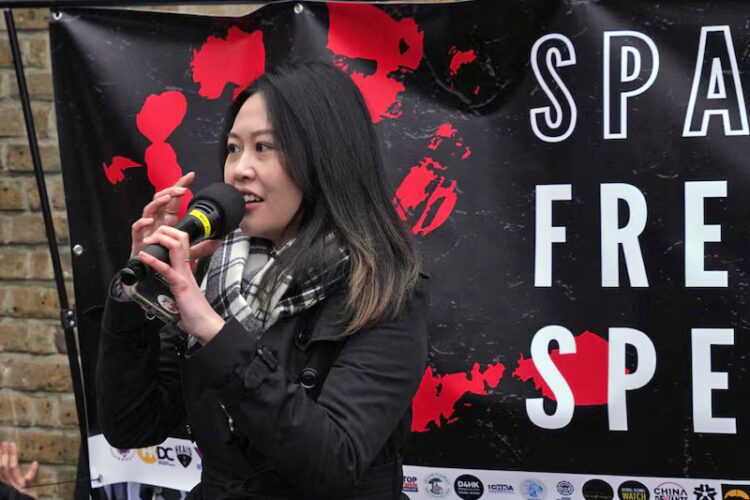
The campaign centres on 30-year-old activist Carmen Lau, who came to the UK in 2021 after opposition politicians and pro-democracy activists began being arrested under Hong Kong’s national security law. Letters containing doctored, sexually explicit images and false claims about Lau were delivered to addresses in Maidenhead, in the county of Kent.
Sent from the Chinese territory of Macau, the letters included fabricated photoshopped visuals that appeared to depict Lau in intimate or compromising situations and offered sexually suggestive language and misleading descriptions, portraying her as a sex worker.
Reacting with shock, Lau described the incidents as “very unpleasant,” stressing that the deep-faked images were clearly manipulated with her face superimposed on others’ bodies. The campaign has not only spread false content about her personal life but also included sensitive information such as her name and previous home address amplifying fears about privacy breaches and intimidation tactics.

AD: Oysterian Sea Food Restaurant And Bar
The deliveries come amid a broader pattern of targeting by transnational harassment methods. Last year, neighbours in Kent received letters purporting to be from Hong Kong police, offering a substantial bounty of £95,000 for Lau’s capture and delivery to the Chinese embassy in London.
Such actions prompted concern among local residents and prompted the intervention of the constituency’s Member of Parliament, Joshua Reynolds, who said officials must make clear that sending such harassing material to UK residents is unacceptable.
The sexualised nature of the recent campaign represents a troubling escalation in tactics used against exiled activists. Instead of solely relying on political threats or legal pressure, the letters weaponised gendered imagery and social stigma, leveraging artificial intelligence technology to produce convincing but false images. This appears to be a new frontier of harassment and transnational power.
Lau told the BBC that the deep-fake technology used in the harassment added a layer of intimidation that goes “beyond just transnational repression,” and raised particular concerns about the vulnerability of women activists to gender-based attacks.
The use of AI and digital manipulation in such targeted campaigns reflects broader global anxieties about the ease with which personal data and images can be exploited to damage reputations, intimidate individuals and instil fear among political dissidents living overseas.
In Lau’s case, the campaign’s geographical reach letters sent from Macau to multiple neighbours shows a level of planning and access to information that raises serious questions about who is behind the operation and how private details were obtained.
Officials in the UK have said that police are investigating the harassment. A spokesperson for the British government emphasised that the safety and security of Hong Kongers in the UK is of “the utmost importance,” and that any attempt by a foreign power to intimidate, harass or harm individuals would not be tolerated.
Law enforcement authorities in both the UK and Australia where similar harassment campaigns have taken place involving other exiled activists are looking into the incidents.
The letters also reignite broader concerns about transnational repression, where hostile state actors leverage coercive techniques across borders to silence or punish critics. In recent years, digital methods from doxxing and social media harassment to deep-fake imagery and targeted misinformation have complemented more traditional forms of pressure.
In this environment, activists who have sought refuge abroad still face threats to their safety, privacy and ability to participate in political discourse without fear of retaliation.
Supporters and human rights observers have condemned the campaign, arguing that such intimidation tactics not only threaten the well-being of individuals like Lau but also undermine democratic values and freedom of expression.
The explicit nature of the imagery in the letters has drawn particular criticism, with commentators arguing that gendered abuse is a deliberate tool used to undermine credibility and create psychological distress.
This form of harassment combining political targeting with sexually explicit content sends a chilling message about the lengths to which some actors may go to suppress dissent.
The harassment also underscores the challenges that host countries face when balancing free speech protections with safeguarding the rights and privacy of residents targeted by foreign actors. While the UK continues to provide sanctuary for those fleeing persecution, incidents like these test legal and security frameworks designed to protect refugees and exiles.
Police and security services must adapt to address sophisticated digital threats that blur the lines between political intimidation and criminal harassment.
Local political figures have called for clarity and accountability. MP Joshua Reynolds highlighted the need to investigate thoroughly how the letters were sent and who orchestrated them, suggesting that officials in Beijing or affiliated networks could be held accountable if proven responsible.
The UK government has raised its concerns about transnational repression directly with Chinese and Hong Kong authorities, publicly condemning prior actions such as arrest warrants and bounties issued against exiled activists.
Such diplomatic efforts are part of a broader context in which Western countries have increasingly voiced unease over extraterritorial applications of Hong Kong’s national security law and related pressures on critics living abroad. The law, introduced in 2020, grants Hong Kong authorities sweeping powers to pursue alleged offences beyond the territory’s borders, and has drawn global criticism for undermining political freedoms in the city and beyond.
Beyond the political implications, the deeply personal toll on targeted individuals is significant. Harassment of this nature can lead to social stigma, emotional distress and long-lasting trauma. Victims may feel pressure to retreat from public life or self-censor to avoid further abuse, a chilling effect that detracts from fundamental rights to free expression and civic participation.
The intersection of political activism, gendered attack methods and digital abuse highlights the complexity of protecting vulnerable communities in an era where technology can amplify both solidarity and harassment.
For Lau, the campaign has brought unwelcome attention not only to her activism but to the network of critics of the Chinese government and its policies towards Hong Kong.
While the authorities in Beijing have not been directly linked to the campaign publicly, critics of such tactics point to patterns of intimidation and organised harassment directed at exiled activists, suggesting that these efforts may be part of a broader push to discourage overseas dissent.
At its core, this incident raises pressing questions about the responsibilities of governments, tech platforms and civil society in combating politically motivated harassment. As nations grapple with the implications of powerful digital tools like AI and deep-fakes, there is growing demand for robust legal, technological and diplomatic responses to prevent abuse and protect those at risk.
The UK’s investigation into the letters and its response to transnational harassment campaigns will likely be watched closely by human rights organisations, activists and policymakers alike. Whether legal action can be taken, and what measures will be put in place to safeguard exiled dissidents, remains to be seen.
What is clear is that the incident marks a worrying intensification of pressures facing activists far from their home countries a stark reminder of how political conflict and repression can transcend borders in the digital age.

AD: Heritage And Restaurant Lounge Bar