
By Ben Kerrigan-
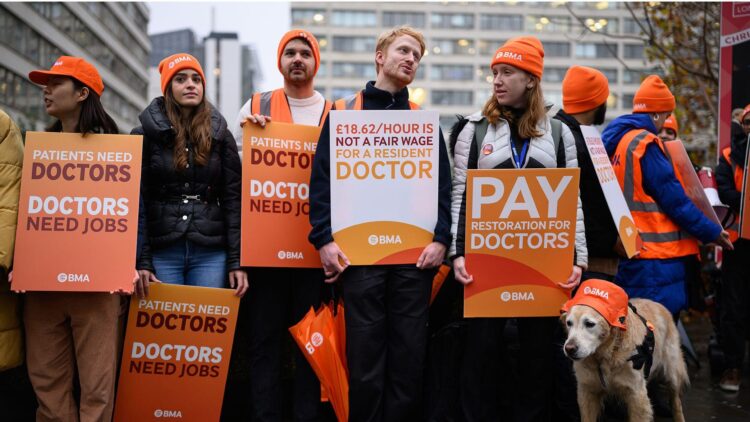
The government’s latest proposal to the doctors’ union may spare the health service from another damaging round of industrial action. In a move described by ministers as “final and serious,” new training-place incentives and changes to postgraduate support have been offered to resident doctors in England.
The union representing them has agreed to consult its members a decision that could determine whether a strike proceeds or is called off.

AD: Capeesh Restaurant
The offer comes amid mounting pressure on both sides. Hospitals are already under strain from a sharp rise in flu cases, and with the holiday season approaching, a strike could severely disrupt patient care.
Government officials argue that the new package addresses long-standing structural problems for junior medics without reopening contentious pay negotiations. Union leaders say the deal still falls short of restoring doctor pay to pre-inflation levels.
Under the government’s offer, the number of specialist-training places will double rising from 2,000 to 4,000 annually with the explicit goal of easing a chronic bottleneck that has left many qualified doctors without jobs. On top of that, candidates would have their mandatory exam fees and relocation costs covered.

AD: Oysterian Sea Food Restaurant And Bar
This package aims to provide meaningful structural support and professional stability at a time when many early-career doctors report uncertainty over long-term career paths. According to union negotiators, that instability has been a major driver behind plans for strike action.
What has not changed, however, is base pay. The government has made clear it will not enter further negotiations on salary. Resident doctors currently enjoy a 5.4 per-cent pay rise for 2025–26, bringing the total increase over the past three years to roughly 28.9 per cent. Despite that, the union insists real-terms pay remains badly eroded when adjusted for inflation over the last two decades. The Guardian+2The Independent+2
Acceptance of the deal now rests with members of the relevant doctors’ union, who are being asked to weigh the immediate benefits job security, training opportunities, and removal of certain fees against the continuing gap between current pay and the “full pay restoration” the union demands.
Government officials frame the offer as a pragmatic compromise: it delivers long-overdue structural reforms that will benefit thousands of junior doctors without imposing unsustainable costs. They argue that continuing strike action despite such an offer would demonstrate bad faith and would worsen pressure on an already overburdened health service. The Standard+2NHS England+2
Union representatives, however, highlight two unresolved problems. First, pay remains unchanged, leaving doctors’ real incomes below what they were in 2008. Second, acceptance of the offer does not guarantee long-term pay security or protection against future pay erosion which remains a central concern for many members.
For those still carrying heavy student debt and facing uncertain career progression, the offer may not feel sufficient.
What a Decision Could Mean for the NHS and Patients
If doctors accept the offer and call off the planned strike, hospitals will avoid significant disruption in what is set to be one of the busiest times of year. Emergency departments, elective surgeries, and routine appointments could continue largely as normal a relief for patients already facing delays and uncertainty.
The move would also reflect positively on the government’s ability to respond to labour unrest with compromise rather than confrontation.
On the other hand, if union members reject the deal, the strike is likely to go ahead. That outcome would compound existing pressure on hospital capacity and risks deepening staff shortages as burnout, resignations, and recruitment freezes intensify.
In recent strike rounds, more than 50,000 resident doctors have taken part, and the disruption has led to tens of thousands of cancelled appointments and serious backlogs.
Beyond immediate operational impacts, a fractured outcome could damage long-term trust between the government and the medical profession. Doctors may view the offer as a stop-gap measure not a resolution leaving open the possibility of further strikes. That uncertainty could hinder recruitment, reduce morale, and exacerbate attrition in a profession already under intense pressure.
The decision now under consideration will reverberate far beyond a single strike date. It could influence not only the working lives of early-career doctors but the resilience and capacity of the national health system itself.
With union ballots due soon, and hospital pressures mounting, both sides appear committed to resolution or at least de-escalation. The coming days will reveal whether compromise holds or whether the cycle of strikes resumes. Either way, the outcome will shape the NHS for years to come.

AD: Heritage And Restaurant Lounge Bar