
By Ben Kerrigan-
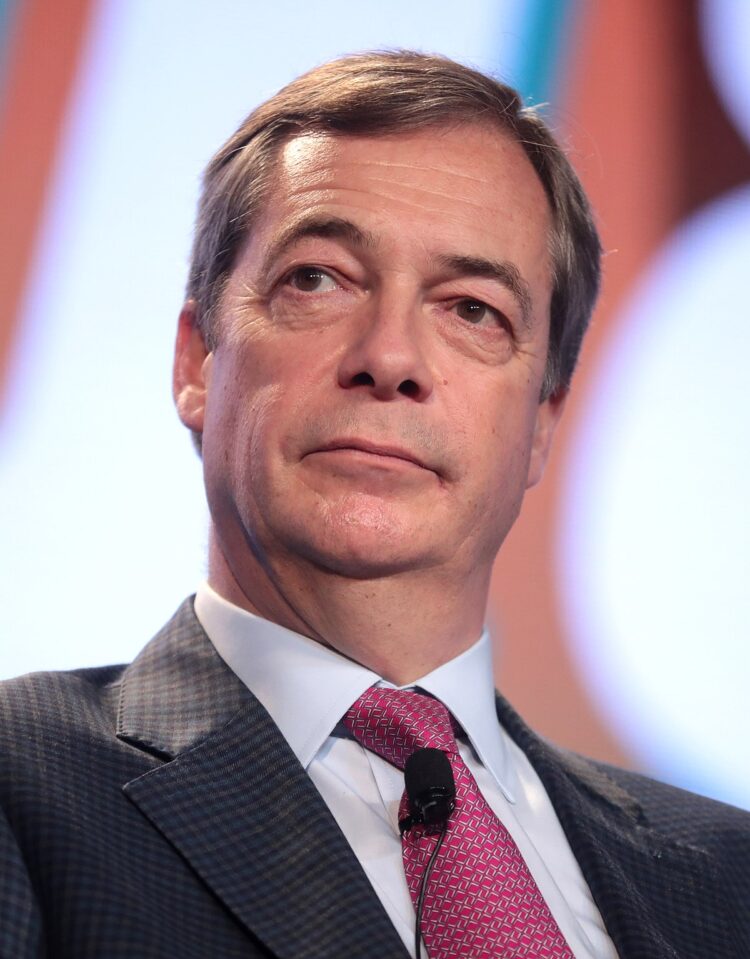
A highly anticipated meeting between Nigel Farage, leader of the UK’s populist party Reform UK, and Jordan Bardella, head of France’s far-right National Rally (RN), took place in London on Tuesday.
The encounter marks a significant development in transnational right-wing politics, suggesting shared ambitions to tighten immigration controls, coordinate policy on small-boat crossings, and reshape the political landscape in both countries.

AD: Capeesh Restaurant
The meeting is seen by many as a symbolic strengthening of the emerging far-right bloc across Europe.
In a private lunch gathering, Farage and Bardella discussed key issues that have defined both men’s political careers: migration, border control, and national sovereignty. According to media reports, Bardella said he believed Farage is “extremely resilient” and tipped him to become the next Prime Minister of the United Kingdom.
Bardella, one of France’s most prominent far-right leaders and widely expected to lead his party into the 2027 presidential election, used the meeting to underline common concerns over “mass immigration” impacting both Britain and France. He argued that coordinated Franco-British efforts could address migrant crossings across the Channel more decisively than independent national policies.

AD: Oysterian Sea Food Restaurant And Bar
Discussions reportedly touched on energy policies including the role of nuclear energy and on cooperation regarding small-boat crossings between France and the UK. Reform UK insiders said the two men explored how shared policy stances might lead to more synchronized approaches to immigration and national security.
Analysts note that this meeting represents a shift for Farage, who has historically maintained a more cautious distance from the RN, despite past flirtations with French far-right figures. The encounter underscores a changing dynamic among Europe’s far-right parties as they increasingly see benefit in cross-boarder co-operation
Implications for UK–France Relations and European Populism
The Farage–Bardella meeting has wide political ramifications beyond the immediate symbolism of a shared lunch. With migration continuing to dominate public debate across Europe, a coordinated approach between Reform UK and RN could influence how both countries address border policy. This could complicate traditional bilateral relations between the UK and France, injecting far-right demands into diplomatic and policy spheres.
Bardella’s suggestion that he would support UK border-force “pushbacks” of small-boat migrants if elected signals a potentially radical shift in French willingness to cooperate with Britain’s hard-line immigration measures.
At the same time, by publicly aligning with Bardella, Farage may be positioning Reform UK within a broader European network of like-minded parties. That raises questions about how future UK governments might engage with European politics, especially on issues like asylum, migration, and border control.
Critics warn that such alliances risk normalising far-right populism within mainstream politics. They argue that by forging transnational bonds, far-right parties are seeking legitimacy, international alliances and influence beyond their national constituencies. For many observers, the London meeting confirms what some had feared: that the populist right is no longer isolated in national silos but is becoming networked across borders.
Supporters, on the other hand, portray the alliance as a pragmatic response to what they describe as uncontrolled migration and failed integration policies in Europe. They argue that cross-border coordination could deliver more effective border controls and restore national sovereignty in matters of immigration and asylum.
In the UK context, the meeting arrives at a politically sensitive time. Domestic debates over migration, asylum policy and border control remain at the forefront of public discourse. The emergence of a visible link between Reform UK and France’s National Rally could influence voter perceptions, push political agendas further to the right, or trigger concern among those who view such alliances as a threat to liberal democratic norms.
Details about the meeting remain limited. Neither Farage nor Bardella commented publicly on the full scope of their discussions. Yet the significance of their encounter has not gone unnoticed. Political correspondents in London and Paris describe the meeting as a turning point: an attempt to forge a common front on immigration and perhaps something more enduring.
The lunchtime meeting may have concluded in a private room in London, but its reverberations are likely to echo across Europe’s right wing for months possibly years to come.
Now, a shared ideology and mutual admiration unite them. Bardella regards Farage as a “pioneer” for British independence.
With both leaders strongly advocating for strict border controls and national priority policies, hoping to implement radical change if they assume power in their respective countries. Their shared history is defined by this new alignment and common vision for a more sovereign, anti-immigration Europe

AD: Heritage And Restaurant Lounge Bar