
By James.Simons-
A newly published strategic plan from GB Energy (GBE) reveals a determined shift toward delivering clean energy while explicitly targeting regions long associated with oil and gas production.
The publicly owned company aims to generate 15 gigawatts (GW) of renewable energy and storage capacity by 2030, mobilise private investment, and support jobs in communities once dependent on fossil-fuel industries.

AD: Capeesh Restaurant
GBE’s plan sets out a vision that seeks to reconcile Britain’s net-zero ambitions with structural economic realities in areas that have suffered from the decline of traditional energy sectors.
The initiative appears designed to offer both a clean-energy future and a form of economic continuity for affected regions.
In doing so, the plan touches on broader tensions in UK energy policy between continuing reliance on legacy oil and gas infrastructure, and the pressing need to accelerate climate-friendly renewables.

AD: Oysterian Sea Food Restaurant And Bar
A Clean-Energy Strategy Rooted in Former Fossil Fuel Regions
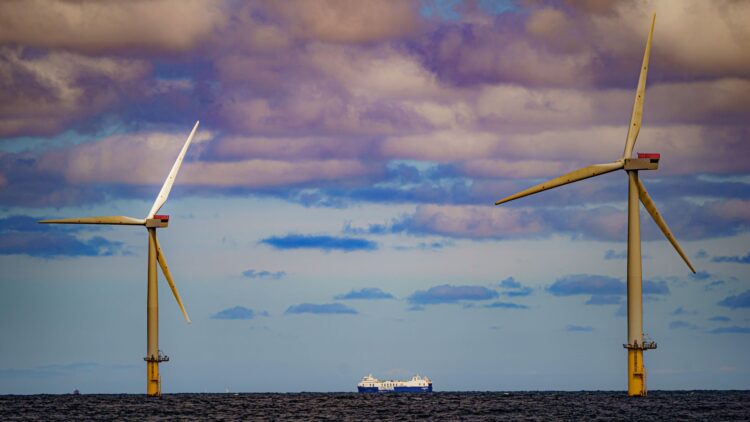
GBE identifies three priority strands for its investments: onshore clean energy projects, offshore wind and storage, and community-based renewable generation.
The strategic plan says the company expects to draw in around £15 billion of private finance over the coming years, leveraging public capital as a catalyst rather than a substitute.
Critically, GBE explicitly commits to targeting areas “historically dependent on oil and gas” when delivering jobs and projects, aiming to support an estimated 10,000 positions by 2030. The company’s pledge to establish its corporate backbone in Aberdeen reflects that priority.
That focus underscores a recognition that the energy transition must include provisions for regions and communities whose economies have long been tied to hydrocarbons.
As many oil and gas fields age and the scale of extraction gradually wanes the prospects for renewable energy in those regions present both a challenge and an opportunity.
GBE’s ambition corresponds with broader discussions in the UK government’s energy policy.
Recent statements by the administration allow limited new drilling around existing offshore fields, even while maintaining a general “no new licences” posture for widely unexplored areas.
Under such conditions, a company like GBE that invests in renewables rather than expanding fossil extraction signals a strategic pivot or at least a hedge.
Yet the plan’s emphasis on historically fossil-fuel regions reveals a dual purpose: accelerate decarbonisation while attempting to regenerate local economies affected by the decline of oil and gas.
Balancing Transition: Economic Security, Energy Goals and Regional Legacies
In launching its five-year strategy, GBE strikes a delicate balance between climate ambition and economic pragmatism. Delivering 15 GW by 2030 sufficient to power around 10 million homes the company aims not only to add renewable capacity but to make that capacity profitable and self-sustaining.
That profitability aim is significant. Public-ownership accompanied by plans for reinvestment, equity stakes, and returns suggests GBE is not merely a symbolic green showcase; it is being built as a functional energy-sector player capable of deploying capital at scale.
However, the context in which GBE operates remains complex. The UK’s broader energy policy continues to allow some level of fossil-fuel activity particularly drilling near existing offshore fields under “tieback” arrangements even as new licences remain off the table.
Critics argue that such allowances could slow the pace of energy transition and lock in further dependence on fossil fuels longer than climate science permits.
GBE’s plan can be read as a recognition of both the urgency of climate goals and the economic risks of abandoning fossil-fuel communities too abruptly.
By directing investment and job creation into former oil and gas regions leveraging existing infrastructure, expertise, and workforce the company seeks to ease the region’s economic transition.
Yet significant challenges remain. Procuring and developing renewable projects at the scale envisaged, especially offshore wind and storage across the UK’s waters, will require regulatory approvals, private finance mobilisation, and community buy-in.
The mobilisation of £15 billion in private finance while ambitious will test market appetite and confidence.
Additionally, ensuring that the promised 10,000 jobs materialise in regions facing long-term structural economic decline depends on the timely roll-out of projects, skill retraining, and stable policy frameworks.
There is also a political dimension. While GBE casts itself as a public-ownership success story, the government’s broader energy policy still involves complicated trade-offs. Allowing limited new drilling around existing fields, even while promoting renewables, could create uneasy contradictions and may blur the line between “transition” and “delay.”
If renewables expansion lags, fossil activities may continue for longer than climate targets allow.
The fact that GBE plans to invest in both onshore and offshore energy suggests that former oil and gas areas from Aberdeen to parts of the North Sea and beyond may become testing grounds for the UK’s clean-energy ambitions.
The effectiveness of that strategy will likely influence public perception of the energy transition, local economic resilience, and the nation’s ability to meet its decarbonisation targets.
GBE’s strategic plan arrives at a moment of flux in British energy infrastructure. While some legacy resources remain viable, the country faces pressure to meet climate commitments and to ensure future energy security.
The coming years will show whether this hybrid approach clean energy led by a public-owned firm operating in historic oil and gas territories can deliver both climate progress and regional economic revitalisation.

AD: Heritage And Restaurant Lounge Bar