
By Theodore Brown-
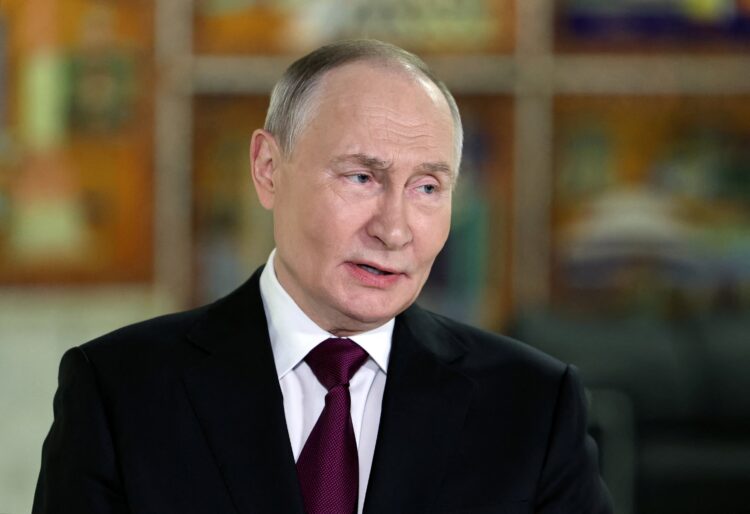
The recent round of diplomacy between Vladimir Putin and envoys from United States Government has laid bare a revealing portrait of his state of mind: one defined less by genuine willingness to compromise and more by a confidence in Russia’s leverage on the battlefield, in negotiations and across the wider geopolitical chessboard.
At the Kremlin on 2 December 2025, Putin met with U.S. envoys Steve Witkoff and Jared Kushner for nearly five hours. According to Moscow, the talks were “useful” yet they ended without agreement on a peace deal, reflecting deeply divergent interpretations of what peace should look like.

AD: Capeesh Restaurant
European and Ukrainian officials accused the Russian leader of “feigning interest” in peace, arguing the meeting produced no real movement.
Putin reiterated core red lines: Russia would only cease hostilities if Ukrainian forces withdrew from territory Moscow considers occupied, and Kyiv’s leadership would remain delegitimised until those conditions were met. Publicly, he framed his stance as reasonable but privately, according to a senior Kremlin aide, Russia perceived its recent battlefield advances as legitimising greater demands.
Far from showing signs of flexibility, Putin projected resolve and readiness for war with Europe if what he described as “European demands” continue to stymie diplomacy.

AD: Oysterian Sea Food Restaurant And Bar
Diplomacy on Russia’s Terms
In recent months, statements from the Kremlin had seemed to hint at a softer posture: Putin suggested Moscow might be open to talks. In April 2025, he publicly stated he had a “positive attitude towards any peace initiatives.” Even so, that public openness masked deeper immovability.
On 29 January, Putin declared that any negotiations could only proceed with representatives other than Ukraine’s elected leader, underscoring his insistence that Kyiv’s current leadership lacked legitimacy.
The recent U.S.-brokered peace plan, which proposed a potential basis for talks, was acknowledged by Moscow as something to examine.
Putin said that some parts might serve as groundwork for future agreements, but only under conditions that favour Russia a demand that Ukraine and its Western allies view as effectively requiring Kyiv’s capitulation.
Behind the veneer of cautious openness, Moscow has consistently blurred diplomacy and coercion. According to analysts quoted by regional media, the core objective is not peace but political subjugation: reshaping Ukraine’s leadership, stripping Kyiv of Western support, and forcing concessions that amount to more than territorial loss a realignment of power, aligned with Russia’s ambitions.
At the same time, leaders from Kyiv and Europe interpret these gestures as cynical stalling. The chief of the UK’s foreign intelligence agency recently stated there is “absolutely no evidence” Putin intends to negotiate a genuine peace deal.
Thus, although Kremlin rhetoric hints at negotiation, every public statement and private signal suggests Russia’s terms remain maximalist: a litmus test, not a roadmap and one in which Russia holds all the cards.e
A central lens through which to understand Putin’s mindset is his belief in recent battlefield successes. The Kremlin views advances on Ukrainian soil particularly in contested regions such as Pokrovsk as strengthening its hand in negotiations.
A top adviser to Putin publicly linked these gains to a more favourable climate for diplomacy, implicitly signalling that Russia believes power on the ground trumps diplomatic compromise.
That sense of confidence allows Putin to treat the current peace overtures as optional rather than necessary, a luxury underwritten by force.
In press briefings, the Kremlin has insisted that territorial withdrawal by Kyiv is the only realistic precondition for a ceasefire a demand many in the West consider tantamount to Ukraine’s surrender.
This machine-politics posture diplomacy when convenient, threats when convenient seems to undergird Putin’s evolving worldview: war and negotiation are not mutually exclusive, but two simultaneous levers in a broader strategy to reshape Ukraine and undermine European cohesion.
Recent warnings that Europe risks conflict if it “starts acting” against Russia reinforce that fusion of aggression and deterrence.
The result is a form of conditional openness. Putin appears willing to talk when it benefits Russia, but demands little from Moscow in return. This transactional posture reveals a mindset that values leverage over compromise, domination over diplomacy.
Observers say this reveals more than just a tactical approach: it suggests an enduring worldview shaped by imperial ambition and strategic patience.
Analysts point out that Putin’s conception of peace is not peace at all but subjugation: a Ukraine stripped of autonomy, a weakened Euro-Atlantic alliance, and a Russia restored to what he sees as its rightful sphere of influence.
Ukrainian and European leaders appear to understand this, pushing back hard. The EU and NATO have demanded that any peace deal respects
Ukraine’s territorial integrity. Kyiv insists that no amount of diplomacy will justify giving up lands or legitimising what many see as forced annexation. Yet Moscow keeps talking.
In this tense balance diplomacy coexisting with threats, negotiations shadowed by drones and artillery the latest talks make clear where Putin stands. He is not negotiating out of desperation. Rather, he is negotiating because he believes he can win.
That belief, built on battlefield momentum and geopolitical chicanery, reveals a mindset confident in Russia’s leverage, dismissive of Western resolve, and unafraid to wage war all while offering the façade of dialogue.

AD: Heritage And Restaurant Lounge Bar