
By Gabriel Princewill-
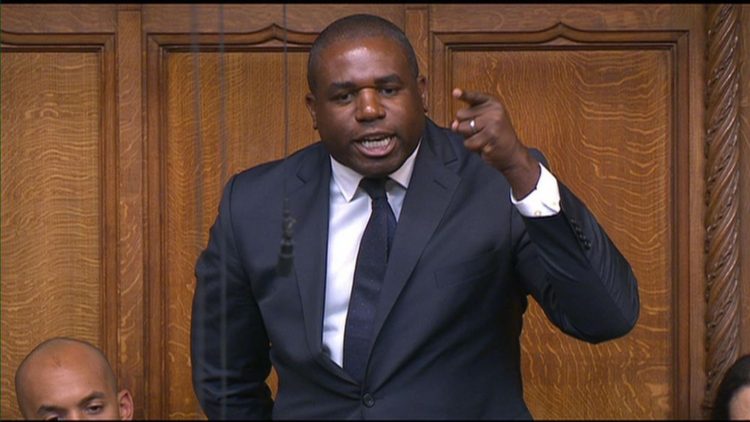
A constitutional firestorm is brewing at the heart of the UK’s justice system. Justice Secretary David Lammy’s radical proposals to all but abolish jury trials for the majority of criminal offences have been met with fierce opposition, with the Law Society of England and Wales leading the charge, branding the move an extreme measure and a “step too far” in the government’s desperate bid to tackle a record court backlog.
The cornerstone of British justice for over 800 years faces a grim challenge. The right to be tried by one’s peers is facing its most significant challenge in centuries. The debate is a potent mix of administrative efficiency versus fundamental constitutional principles, a clash between the urgent need for swift justice for victims and the preservation of a democratic safeguard against state power.

AD: Capeesh Restaurant
David Lammy, under the Ministry of Justice,(MoJ) plans to introduce legislation that would reserve jury trials exclusively for the most serious crimes, namely murder, rape, and manslaughter, and other offences carrying potential prison sentences of five years or more.
Thousands of other offences—including burglary, fraud, affray, and some sexual crimes would see defendants tried by a single judge sitting alone. The powers of magistrates would also be expanded, allowing them to hear cases with maximum sentences of up to two years, instead of the current one-year limit.
The government’s rationale is clear. The Crown Court backlog is approaching a staggering 80,000 cases, with some trials listed as far ahead as 2029. This crisis, ministers argue, represents “justice delayed is justice denied” for victims and requires “bold action” to prevent a “wider collapse” of the system.

AD: Oysterian Sea Food Restaurant And Bar
However, the Law Society, representing solicitors across the country, has not minced words in its criticism. President Mark Evans labelled the plans a “fundamental change to how our criminal justice system operates” that goes “far beyond” previous, more moderate, recommendations made by Sir Brian Leveson’s independent review.
“Our society’s concept of justice rests heavily on lay participation in determining a person’s guilt or innocence,” Evans stated, arguing that allowing a single judge to decide a person’s liberty is a “dramatic departure from our shared values”.
The legal body’s opposition is rooted in several key concerns. Firstly, is the departure from Leveson Recommendations: Sir Brian Leveson’s review had suggested a compromise: an intermediate court with a judge flanked by two magistrates for mid-range offences.
Mr Lammy’s plan reportedly seeks to remove the lay element (magistrates) entirely, a move the Law Society views as an unjustifiable overreach.
The Law Society challenges the core premise that judge-only trials will significantly reduce the backlog. They argue the government has provided “no real evidence” that expanding judge-only cases will solve the issue, suggesting the focus should be on addressing the root causes of systemic inefficiency and underfunding.
A central tenet of the Law Society’s argument is that jury participation ensures public confidence and legitimacy in verdicts. Removing the public from the process risks fostering cynicism and distrust, particularly in high-profile or politically sensitive cases, which could be perceived as “establishment stitch-ups”.
Juries, as a cross-section of society, act as a crucial “filter for prejudice”. The Law Society points to the 2017 Lammy Review itself, which found that while BAME defendants were found guilty at higher rates by magistrates and juries delivered more equal outcomes, suggesting judges alone may not guarantee the same level of impartiality.
The backlash extends beyond the Law Society. The Criminal Bar Association (CBA) and the Bar Council have also vehemently opposed the plans, with the CBA chairman describing the move as “the biggest assault on our system of liberty in 800 years”.
Politicians from across the spectrum, including the Conservative leader Kemi Badenoch and shadow justice secretary Robert Jenrick, have called the proposals “disgraceful” and a “profound constitutional change”. They note the irony of Mr Lammy, who, during the Covid pandemic, defended jury trials as a “fundamental part of our democratic settlement,” now pushing for their removal.
The government maintains no final decision has been made, but the leaked memo and a “write round” process indicate the plans are in advanced stages. Legislation is expected early next year.
The Law Society and other legal bodies are urging the government to engage in constructive dialogue and focus on proper funding and structural reforms to the justice system to address the backlog, rather than “resorting to extremes” that compromise a foundational principle of English law.
The right to be judged by one’s peers is an unacceptable price to pay for administrative convenience.

AD: Heritage And Restaurant Lounge Bar