
By Gabriel Princewill-
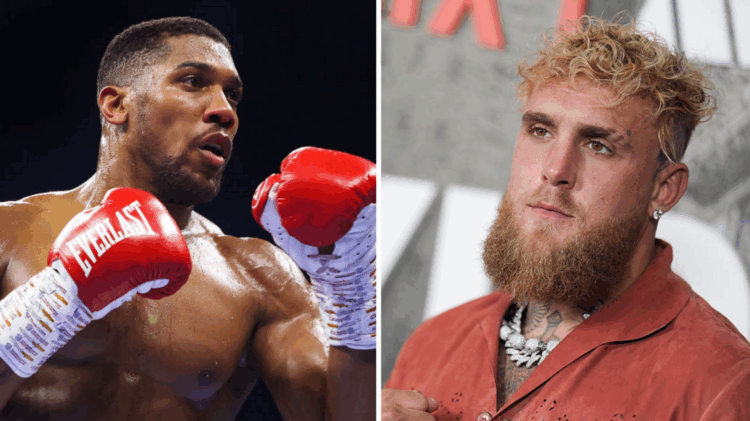
Former world heavyweight champion, Anthony Joshua, cannot be blamed for accepting a £70m fight with Jake Paul, despite the fact the fight is beneath him.
The former two-time heavyweight world champion takes on the YouTuber-turned-boxer in Miami at the Kaseya Center on December 19 – with the duo set to earn a very handsome £70m each .

AD: Capeesh Restaurant
The eight-round fight will be contested in three-minute rounds and with 10oz gloves. However, perhaps the most eye-catching stipulation is that there is a 245lbs weight limit, despite it being at heavyweight.
The 2012 Olympic gold medallist who became Britain’s golden goose following his success at the pinnacle of amateur boxing, but his ascent to the professional ranks eventually his saw his stock fall heavily after three defeats to unbeaten Olegsander Usyk, Andy Ruiz Jnr, the most recent devastating knock out by fellow heavyweight brit, Daniel Dubois in September 2024, who himself folded against world no 1, Olegsander Usyk in July 2025.
When news broke that Anthony Joshua would face Jake Paul, the reaction from boxing fans and pundits was swift and polarising. Social media erupted with criticism: some argued that the former world heavyweight champion had “sold out” by taking on a YouTuber-turned-boxer, suggesting the move undermined his legacy.

AD: Oysterian Sea Food Restaurant And Bar
Yet, to understand Joshua’s decision fully, it is necessary to look beyond the outrage and consider the realities of modern boxing, financial pressures, and career strategy.
Undoubtedly, the sponsors of the fight have not done the integrity of the sport any favours at all by staging this clash. However, from an economic standpoint, the fight is a winner in every respect.
Joshua, 33, is not simply an athlete; he is a global brand. Every fight, every interview, and every public appearance contributes to a career with a limited window. As boxer and commentator Steve Bunce explains, “Boxers have a short shelf-life. The reality is, if you’re offered a fight that can secure your financial future, it’s not just a choice—it’s smart planning.”
Joshua is no stranger to pressure, having faced some of the sport’s toughest opponents, including Andy Ruiz Jr., whose conquest against the Londoner in June 2019 at Madison Square Garden. was eventually avenged six months later in December.
Critics often forget that even elite fighters need to balance risk, reward, and legacy. The economics of boxing today are stark. Traditional heavyweight bouts sometimes struggle to draw massive audiences, while crossover fights between professional athletes and celebrities — are guaranteed to sell. Jake Paul, though controversial, has proven his drawing power, filling arenas and racking up millions of pay-per-view buys.
As one promoter noted, “A fight like Joshua vs. Paul is pure supply-and-demand. The fans are there; the money is there. Turning it down would be financially reckless.” In other words, the criticism Joshua faces ignores the financial realities that define an athlete’s career.
Joshua himself has been pragmatic about the fight. “At the end of the day, it’s about keeping active, staying relevant, and making the most of the opportunities that come,” he said in a press conference. “Boxing is not just about legacy; it’s about survival in a sport that can be brutal, both physically and financially.”
For many critics, the narrative of “selling out” simplifies a complex decision. What Joshua is doing is strategically sensible: he maintains visibility, secures a large payday, and keeps himself in the public eye while planning for bigger, career-defining fights in the future.
It is fair to say that much of the backlash to the Joshua-Paul announcement stems from a nostalgic view of boxing: that fights should exist purely for athletic merit and legacy, not commercial spectacle. Yet boxing history tells a different story. Muhammad Ali faced Antonio Inoki in a mixed-rules spectacle; Floyd Mayweather fought Conor McGregor in a crossover event; even Mike Tyson took fights decades after his prime./origin-imgresizer.tntsports.io/2024/09/21/4043208-82001808-2560-1440.jpg)
Daniel Dubois dropped Anthony Joshua twice in September 2024, before stopping the former champ in the fifth round Pic: TNT sport
Bunce further explains, “Boxing has always danced with entertainment. It’s not new—it’s just louder now because social media amplifies everything.”
In today’s digital age, visibility is currency. Paul’s online following, spanning millions of subscribers and followers, guarantees an audience that traditional heavyweight bouts sometimes cannot. This is particularly relevant for Joshua, who has previously admitted the difficulty of staying in the spotlight after major losses.
One analyst observed, “Joshua is playing smart chess here. He knows exposure equals leverage, and fighting Paul puts him in the headlines in a way a mid-tier opponent might not.”
Critics often frame the fight as a question of pride or legacy. Some fans have tweeted things like, “Joshua is better than this,” implying that facing Paul diminishes his reputation. Yet as former heavyweight champion Lennox Lewis points out, “Legacy is built over a career, not a single fight. Joshua has already earned his place in history.
One high-profile, commercially lucrative bout doesn’t erase that.” Indeed, it could even enhance his legacy by showing versatility in navigating the modern sport.
Joshua’s decision is also influenced by the intense physical and mental demands of boxing. Long gaps between fights can sap a fighter’s timing, sharpness, and marketability. “You can’t afford to sit idle,” Joshua said in a recent interview. “If there’s an opportunity to fight, stay active, and earn while doing it, why wouldn’t you take it?”
This perspective highlights the practical side of professional boxing: staying active is not just about earnings; it’s about maintaining skill, focus, and competitive readiness.
Additionally, the crossover fight introduces new audiences to heavyweight boxing, potentially expanding the sport’s fanbase. Younger fans, many of whom know Paul through social media rather than traditional boxing channels, may become interested in professional bouts after seeing Joshua in action.
“It’s an opportunity for growth for the sport, not just the fighters,” says sports journalist Rachel Nichols. This suggests that Joshua’s move is not purely self-serving; it has broader benefits for the industry as a whole.
From a financial standpoint, the fight is transformative. Purses for crossover events dwarf many traditional bouts, providing not just immediate rewards but long-term financial security. Given the short career span of a professional boxer, this level of financial gain cannot be dismissed lightly.
Fans may view money as a “lesser” motivator, but as promoter Eddie Hearn notes, “Athletes have to think practically. Boxing is brutal, injuries happen, and careers end suddenly. Joshua is ensuring he and his family are secure.”
Joshua’s choice to fight Jake Paul is not a lapse in judgment but a calculated move in a career that must account for more than legacy, even if that is already deemed tarnished at this juncture of his career. It combines financial prudence, strategic planning, and an understanding of the sport’s evolving dynamics. His career, which includes Olympic gold and multiple heavyweight titles, is secure; one fight cannot undo decades of achievement.
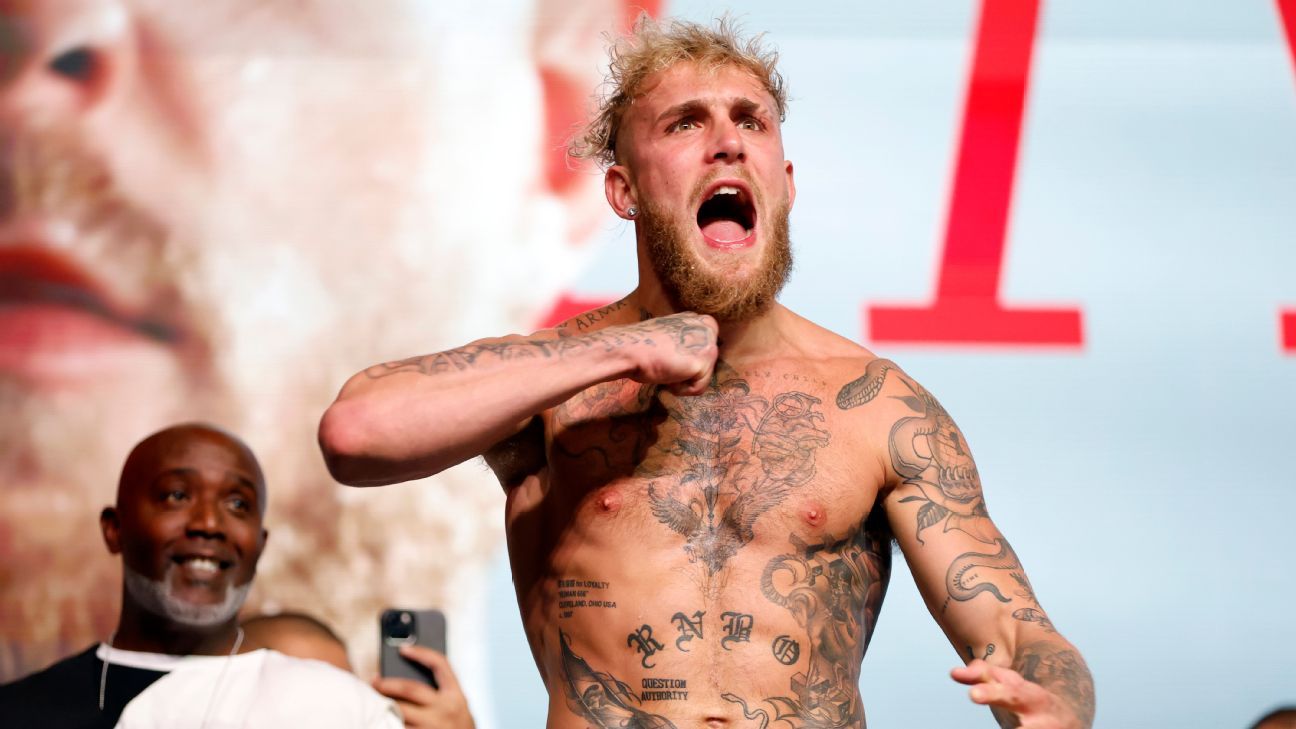
Jake Paul, above, returns to the ring to face former UFC star Nate Diaz in a boxing match on Aug. 5 in Dallas. Chris Coduto/Getty Images
Public perception, while important, is also fluid. Today’s outrage may be tomorrow’s acceptance as fans recognise the smart business and strategic considerations behind the decision. As one veteran journalist commented, “Boxers are professionals. They need to make choices that protect their career, their health, and their finances. Joshua is doing exactly that.”
Moreover, the fight keeps Joshua relevant, but not necessarily rated. In a sport where media attention and public visibility directly impact opportunities, staying in headlines is crucial. Beyond personal benefit, the fight introduces new fans to professional boxing, potentially invigorating the heavyweight division for years to come. Through his engagement with a broader audience, Joshua helps the sport evolve without compromising his standing among purists who value skill and legacy.
Criticism often focuses on the perceived “mismatch” of style or background, but as analysts point out, boxing has never been insulated from spectacle. Joshua himself acknowledges this: “I’ve faced the best in the world, and I take my career seriously. But I also have to navigate the sport as it exists today, not as people remember it from twenty years ago.” The former world champion is not wrong by any stretch of the imagination.
At the end of the day, Anthony Joshua is doing what any rational, responsible athlete would do. He is protecting his financial future, maintaining visibility, and leveraging his name in a sport that demands both performance and strategy. The fight with Jake Paul is not a betrayal of his legacy; it is an example of intelligent career management in the modern era.
Anthony Joshua’s decision to fight Jake Paul may spark debate, but it is neither reckless nor shameful. It reflects a nuanced understanding of the realities of modern boxing: the importance of visibility, financial prudence, career longevity, and the evolving dynamics of audience engagement. As Joshua himself said, “Boxing is about smart decisions, not just big fights. I’m playing the long game.”
Critics may argue about tradition, purity, or pride, but these considerations overlook the practical realities that govern a boxer’s life. Joshua is securing his legacy while navigating the financial and promotional pressures of a modern sport. In doing so, he is not undermining boxing; he is adapting intelligently to ensure that both his career and the heavyweight division remain relevant for the years ahead. This is not a fight that benefits his boxing resume as far as quality of opposition is concerned, but definitely as far as his bank balance.
Perharps the orchestrators of this fightare the only ones who can legitimately shoulder the blame for what is expected to be a mismatch, but may in fact turn out to be more competitive than anticipated.
Ultimately, Anthony Joshua is not at fault. He is making a strategic, rational, and responsible choice, one that balances risk, reward, and legacy in a way that few athletes in history have had to consider. As Lennox Lewis put it, “Joshua has earned his right to make these choices. Fighting Paul doesn’t diminish him — it shows he understands the sport, the business, and how to survive in both.”

AD: Heritage And Restaurant Lounge Bar