
By James Simons-
Recent, heart breaking figures clearly demonstrate a deeply concerning spike in the number of deadly dog fatalities across the UK. A cursory look at the data, even incorporating details where the breed of the attacker is classified as “unknown” or “no value,” suggests a very clear conclusion is emerging.
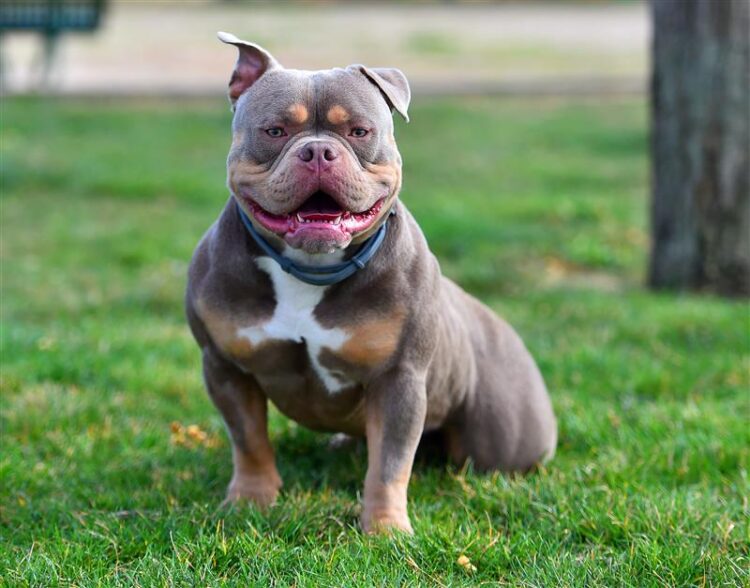
Dog fatalities in the United Kingdom disproportionately result from attacks involving one specific type of dog: American Bullies, particularly those categorized as the XL variety. This correlation between attacks and specific breeds immediately ignites the highly sensitive Fatal Dog Breed Debate across media platforms and social channels.

AD: Capeesh Restaurant
This statement remains immensely controversial despite the figures and intense media attention surrounding the recent fatalities. If one suggests these dogs are inherently more dangerous, opponents quickly flood the comments section, insisting it is entirely the owner’s fault, not the dog’s nature.
Even large organizations like the UK Kennel Club often adopt this position, stating that dogs should never be blamed for people being killed. Advocates of this popular view strongly insist that owners, not the animals, are fundamentally responsible for any behavior that leads a dog to kill a victim. They believe a dog’s behavior is dictated entirely by how its owner trains and socializes the animal from an early age.
This deeply held conviction places all accountability squarely on human error and poor training methods. Policy decisions and public perception constantly wrestle with this profound split over responsibility in the intensifying Fatal Dog Breed Debate.

AD: Oysterian Sea Food Restaurant And Bar
Many people firmly believe that a dog’s personality and temperament are completely malleable, shaped entirely by human interaction and environment. This “nurture” perspective posits that every dog starts as a blank slate, capable of being molded into a safe family pet through consistent, positive training. Owners who follow this philosophy contend that blaming a breed ignores the significant failures of irresponsible individuals who purchase powerful dogs without understanding their unique requirements. They argue these owners fail to provide sufficient socialization, training, and supervision, leading directly to the tragic outcomes now being reported. This neglect or abuse ultimately determines the animal’s behavior.
The responsibility of an owner extends far beyond merely providing food and shelter; it encompasses the proactive management of all behavioral risks. Proponents of the owner-blame model argue that stricter licensing, mandatory training, and harsher penalties for negligent owners offer the only viable solution to the Fatal Dog Breed Debate. These measures target the true source of the aggression, preventing the problem at its human origin rather than punishing innocent animals.
Focusing exclusively on breed, they claim, unfairly discriminates against well-behaved individual dogs and their responsible owners who provide meticulous care. They stress that the dogs themselves are victims of human mismanagement and exploitation. The government should focus on enforcing existing dangerous dog laws more vigorously, particularly targeting those individuals who use dogs for intimidation or fighting.
Fatal Dog Breed Debate advocates for the nurture side consistently cite lack of training as the key problem, ensuring the Fatal Dog Breed Debate focuses on human accountability. This persistent view maintains that an animal’s capacity for violence is almost exclusively a reflection of its upbringing, dominating the Fatal Dog Breed Debate discourse.
A comprehensive understanding of selective breeding introduces a crucial counterpoint to the nurture-only argument, significantly influencing the Fatal Dog Breed Debate. Humans have spent thousands of years deliberately directing evolution in animals and plants to accentuate specific traits. Watermelons and bananas, for example, once contained mostly large, numerous seeds; cultivators purposefully bred them to be predominantly seedless and easier to consume.
Chickens similarly were not naturally “walking meat-packets,” as they are today; this form resulted from intentional breeding for rapid growth and meat yield. These astonishing changes are not natural events but rather the result of humans directing evolution through precise cultivation and targeted breeding programs.
Dogs, too, have been fundamentally selected over generations for traits remarkably unlike their wild wolf ancestors. Unlike wolves, dogs generally display natural loyalty to humans, frequently prioritizing their owners’ welfare above their own lives or the safety of other dogs. This deeply ingrained trait is not learned; it is a fundamental genetic selection criterion.
For instance, when Russian scientists bred foxes over many generations strictly for ‘tameness’ toward humans, they observed the foxes began to express distinct aesthetic changes, including floppy ears and different fur colors, making them look more dog-like . This experiment strongly supports the idea that behavioral selection inevitably causes linked physical and instinctual changes. All dog owners intuitively know this fact, even if they never articulate it in these terms. Owners regularly research and excitedly read out the specific traits of their favorite breed from various websites, carefully selecting breeds based on the descriptions of their temperament.
Dogs possess deep, underlying desires, drives, and intuitions that have been specifically selected for over countless generations, which cannot always be erased through socialization. These genetic foundations require cautious recognition in any serious discussion about the Fatal Dog Breed Debate. Understanding the genetic imperatives behind a breed is essential for responsible ownership.
The critical responsibility of dog ownership is knowing the breed, thoroughly understanding that breed’s likely traits and instincts, and adequately preparing for those behavioral possibilities. While not every individual dog will necessarily display all breed-specific traits, a significant majority certainly will exhibit the core behavioral characteristics they were bred for. For example, some hound breeds, such as Greyhounds or Whippets, possess an incredibly high prey drive, causing them to instinctively chase and sometimes attempt to kill small vermin. Some dedicated owners successfully train these traits out of their pets; many other owners simply cannot achieve full suppression.
Many hound breeds are ancient, painstakingly bred over centuries, or even millennia, to seek affection and comfort in humans while simultaneously hunting only very specific animals. Certain hounds were bred for small vermin, while others were specifically bred to track and hunt large deer or even wolves. Hounds typically make excellent family pets because breeders intentionally selected them to be highly affectionate and non-aggressive toward humans, ensuring the hunting dog would never attack the hunter or the hunter’s family.
Conversely, some dogs were explicitly bred for protection, guarding, or fighting purposes, embedding traits of dominance and protective aggression. A comprehensive approach to the Fatal Dog Breed Debate must acknowledge both the power of nurture and the non-negotiable reality of genetic drive. Future legislation, such as the UK’s approach to Breed Specific Legislation (BSL), should be evaluated to ensure it effectively targets dangerous behavior, whether driven by genetics or poor ownership. The government must work to resolve the Fatal Dog Breed Debate by implementing policy that addresses human negligence while also respecting canine genetics.

AD: Heritage And Restaurant Lounge Bar