
By Aaron Miller-
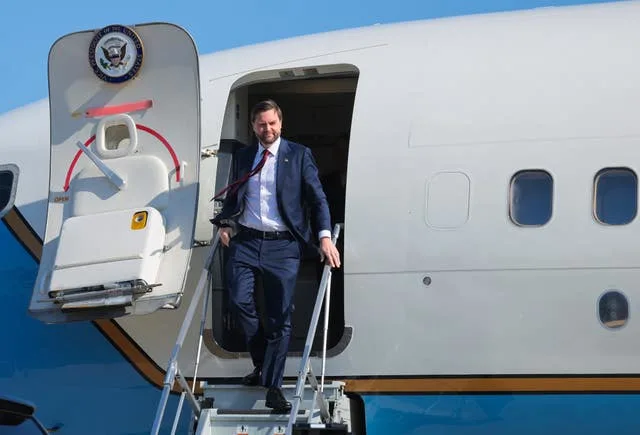
A planned diplomatic mission by U.S. Vice President JD Vance to Pakistan for high-stakes talks with Iran has been placed on hold, according to U.S. officials, as uncertainty deepens over Tehran’s willingness to engage in negotiations.
The delay comes at a critical moment, with a fragile ceasefire between the United States and Iran nearing expiration and fears growing that the region could slide back into open conflict.

AD: Capeesh Restaurant
The trip, which had been expected to take place in Islamabad, was intended to revive negotiations following an earlier round of talks that failed to produce an agreement. However, officials said the visit was paused after Iran did not confirm its participation or respond definitively to U.S. proposals, leaving the planned diplomatic engagement in limbo.
U.S. officials indicated that the decision to delay the trip reflected uncertainty over Tehran’s willingness to engage, with Iran yet to commit to attending or provide a clear response to Washington’s terms. The lack of confirmation effectively halted preparations for the visit, underscoring the fragile state of diplomatic efforts and the difficulty of advancing talks without firm participation from both sides.
The sudden halt underscores the volatility of ongoing diplomatic efforts and highlights the increasingly precarious state of U.S.–Iran relations, which have deteriorated sharply in recent weeks amid military tensions, economic pressure, and conflicting demands on both sides.

AD: Oysterian Sea Food Restaurant And Bar
Talks In Limbo AS Ceasefire Deadline Looms
The postponement of Vance’s trip comes as a two-week ceasefire brokered in part by Pakistan approaches its deadline, with both Washington and Tehran signalling that hostilities could resume if no agreement is reached.
The proposed talks in Pakistan were meant to serve as a second round of negotiations following the earlier Islamabad meetings, which lasted more than 20 hours but ended without a breakthrough. Those discussions had focused on key sticking points including Iran’s nuclear programme, sanctions relief, and control over the strategically vital Strait of Hormuz.
In recent days, Iran has indicated that it has yet to decide whether to return to the negotiating table, with officials citing concerns over U.S. demands and actions taken during the ceasefire period.
The lack of a clear commitment from Tehran has left U.S. officials reluctant to proceed with the visit, fearing that high-level diplomacy without a confirmed counterpart could prove futile. Statements from Washington have contributed to the ambiguity. President Donald Trump has indicated that the U.S
This hardening stance has further complicated diplomatic calculations, with analysts warning that both sides may be positioning themselves for either renewed negotiations or a return to confrontation.
The delay in Vance’s trip reflects broader instability across the region, where diplomatic, military, and economic pressures are increasingly intertwined. Central to the dispute is the Strait of Hormuz, a critical global shipping route through which a significant portion of the world’s oil supply passes.
Control and access to the strait have become key bargaining chips in negotiations, with Iran seeking leverage and the United States attempting to enforce maritime restrictions. Recent incidents at sea, including the seizure of vessels and enforcement of a U.S.-led blockade, have heightened tensions and fuelled accusations of ceasefire violations from Tehran. These developments have complicated the diplomatic landscape, making it more difficult to establish the trust necessary for meaningful negotiations.
Pakistan, which has played a central role as mediator, now finds itself navigating an increasingly uncertain process. Officials in Islamabad had begun preparations for the anticipated talks, including heightened security measures, but the lack of clarity from both Washington and Tehran has left the situation in flux.
The collapse or even prolonged delay of diplomatic engagement carries significant risks. Analysts warn that without a renewed framework for talks, the ceasefire could unravel quickly, potentially triggering a broader regional conflict involving multiple actors.
The stakes extend beyond immediate military considerations. The outcome of the negotiations has implications for global energy markets, international shipping, and broader geopolitical stability. Rising oil prices and disruptions to trade routes have already signalled the economic impact of the crisis, even before any formal breakdown of the ceasefire.
With Vice President Vance, the stalled trip represents a setback in what has been described as one of the most challenging diplomatic efforts of his tenure. Having led the initial round of talks in Islamabad, he was expected to play a central role in any follow-up negotiations aimed at securing a longer-term agreement.
The current impasse illustrates the limits of diplomacy in a rapidly evolving conflict environment, where shifting political calculations and mutual distrust can derail even the most carefully planned initiatives.
Despite the setback, U.S. officials have indicated that the trip could still be rescheduled if conditions change, leaving open the possibility of renewed engagement. However, with the ceasefire deadline fast approaching and positions on both sides hardening, the window for diplomacy appears to be narrowing.
The situation continues to unfold, the fate of the proposed talks and the broader trajectory of U.S.–Iran relations remains uncertain. What is clear, however, is that the postponement of Vance’s visit marks a critical moment in the crisis, reflecting both the fragility of current diplomatic efforts and the high stakes involved in preventing a return to conflict.
The delay comes at a time when the already fragile ceasefire between the two countries is nearing its expiration, raising fears that even a temporary diplomatic pause could quickly give way to renewed hostilities.
Reports indicate that Washington has warned of possible military escalation if negotiations fail to materialise, while Iran has signalled resistance to what it views as excessive demands, further narrowing the space for compromise.
Uncertainty surrounding the talks has also heightened global anxiety, particularly in Islamabad, where preparations had been underway for high-level negotiations that now may not take place at all. Security measures, logistical planning, and diplomatic coordination have been disrupted by the lack of clarity over whether Iran will ultimately participate, leaving mediators struggling to maintain momentum.
Beyond the immediate diplomatic implications, the stalled talks are already having measurable economic effects. Oil markets have reacted sharply to signs of a breakdown in negotiations, with prices rising amid fears that renewed conflict could disrupt supply routes through the strategically vital Strait of Hormuz.
These fluctuations underscore how closely tied the crisis is to global economic stability, amplifying the consequences of any further deterioration in relations.
Taken together, these developments suggest that the postponement of Vance’s trip is not merely a scheduling setback but a reflection of deeper structural challenges in U.S.–Iran diplomacy.
With both sides entrenched in their positions and time running short before the ceasefire deadline, the coming days are likely to prove determining whether dialogue can be revived or whether the region edges closer to renewed confrontation.

AD: Heritage And Restaurant Lounge Bar