
By Aaron Miller-
Washington has opened a new and potentially far-reaching economic front against Iran, launching what the Trump administration has branded “Operation Economic Outcast” and warning governments, companies and financial institutions around the world that continued business with Tehran could carry a heavy price.
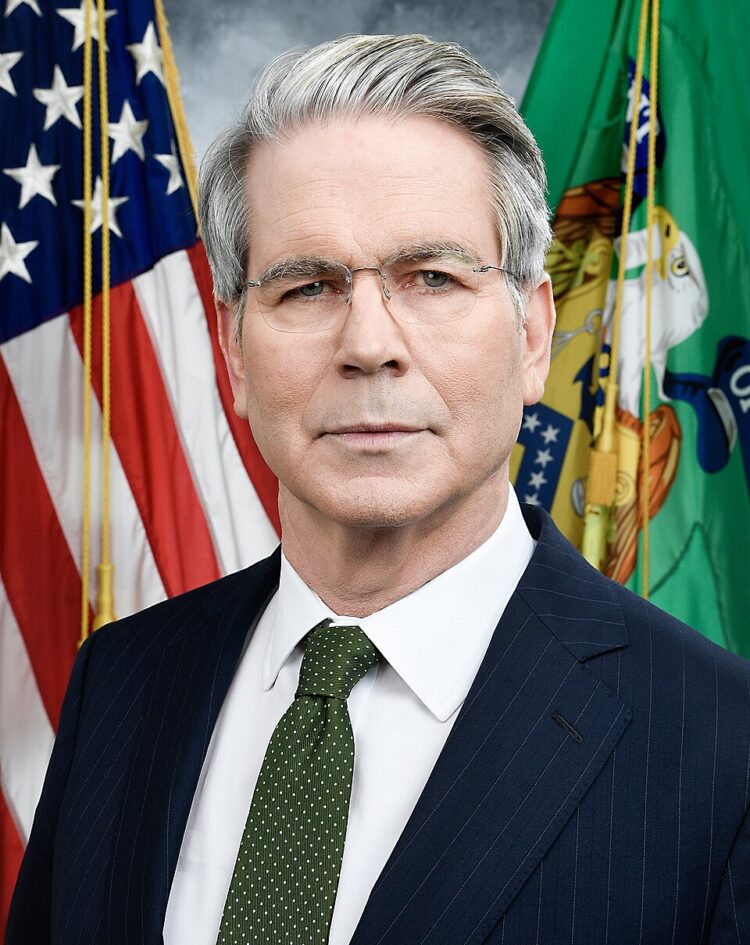
Treasury Secretary Scott Bessent (pictured)presented the campaign on Monday as an unprecedented financial offensive, with the administration declaring that its objective is to sever the economic channels that continue to sustain the Iranian government.

AD: Capeesh Restaurant
The significance of the announcement lies not simply in the number of individuals or companies targeted, but in the attempt to reach beyond Iran’s borders. The first phase of the campaign includes sanctions against dozens of people and vessels across several countries that Washington says are connected to Iranian nuclear and missile procurement, cyber operations and oil-revenue networks. The administration is simultaneously widening the scope of its sanctions architecture to five major areas of the Iranian economy: digital assets, technology, gold, aviation and shipping.
That approach reflects a fundamental shift in the way Washington is seeking to exert pressure. Rather than restricting its campaign to Iranian government institutions, the United States is seeking to make participation in Iran’s international commercial networks increasingly costly for third parties.

AD: Oysterian Sea Food Restaurant And Bar
Foreign companies and individuals that continue facilitating sanctioned Iranian transactions could face penalties and potentially lose access to the American financial system. The message is unmistakable: doing business with Tehran could mean choosing between the Iranian market and access to the far larger American financial ecosystem.
Bessent has described the objective in stark terms, saying the administration wants to “sever every economic lifeline” supporting the Iranian government. He has also warned countries that continuing to help Iran evade sanctions could result in isolation from the United States. Such language makes clear that the campaign is intended not merely as another round of sanctions, but as an effort to reshape the calculations of governments and businesses that have continued trading with Iran despite years of American restrictions.
The campaign builds on an already extensive American sanctions programme. In recent months, the Treasury Department has repeatedly targeted Iranian oil networks, weapons-procurement channels, shadow banking systems, cryptocurrency exchanges and shipping operations. Earlier this month,
Treasury said it had disrupted networks spanning several countries that enabled Iran’s financial system to move hundreds of millions of dollars. The department has portrayed these operations as part of a broader strategy to prevent Tehran from accessing the revenue and foreign currency needed to sustain its military capabilities and regional activities.
The latest escalation therefore carries implications well beyond Iran’s borders. International companies with exposure to Iranian trade must now assess whether transactions that might previously have appeared commercially viable could expose them to American sanctions. Shipping companies, banks, technology firms, cryptocurrency businesses and gold traders are among those facing heightened scrutiny. The result could be a further narrowing of Iran’s access to international markets and an increase in the cost and complexity of conducting even legitimate commercial transactions with the country.
Yet the strategy also carries risks for Washington. Sanctions can impose severe economic costs, but their effectiveness ultimately depends on enforcement and international cooperation. Iran has spent years developing mechanisms for evading restrictions, including networks of intermediaries, offshore companies, alternative financial channels and clandestine oil-trading arrangements. Treasury’s repeated targeting of these networks demonstrates both the sophistication of the American campaign and the determination of Tehran and its partners to find ways around it.
There is also the question of who ultimately bears the economic burden. Pressure directed at government finances can weaken a state’s capacity to fund military and strategic programmes, but broad economic restrictions can also affect businesses and ordinary citizens by restricting trade, increasing transaction costs and worsening access to foreign currency and imported goods.
That creates a difficult balancing act for policymakers: Washington wants to squeeze the Iranian government without deepening hardship among the Iranian population or generating political effects that ultimately strengthen rather than weaken the regime.
The timing is equally significant. The new sanctions come against the backdrop of a conflict that began in February when the United States and Israel launched joint strikes against Iran, according to the material supplied by Scripps News. Washington is presenting economic pressure as part of a broader attempt to force Tehran towards negotiations and an end to the conflict.
The danger is that economic warfare can itself become another source of escalation. Tehran may interpret the tightening of sanctions not as an invitation to compromise but as evidence that Washington intends to pursue regime-threatening pressure. Iran could respond by intensifying efforts to evade sanctions, retaliating against American or allied interests, or seeking stronger economic relationships with countries willing to challenge Washington’s restrictions.
The new campaign presents an uncomfortable choice for America’s allies. Governments may support Washington’s strategic objectives while simultaneously worrying about the impact of secondary sanctions on their own companies and economies. The United States is effectively asking partners to align their commercial decisions with its geopolitical strategy, and the pressure will become more difficult to ignore as enforcement expands.
What Washington has launched, therefore, is more than another sanctions package. It is an attempt to weaponise access to the global financial system on an unprecedented scale, using America’s economic reach to force a choice upon countries and companies dealing with Tehran. Whether that strategy succeeds will depend on whether the United States can close Iran’s alternative financial channels faster than Tehran can create new ones—and whether economic isolation ultimately produces negotiations or pushes the confrontation into an even more dangerous phase.

AD: Heritage And Restaurant Lounge Bar
-
Share On
- Categories
- Date