
By Sammy Jones-
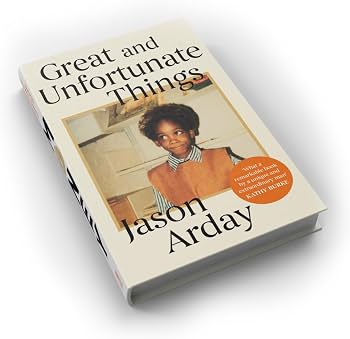
The UK publication of Professor Jason Arday’s memoir will go ahead this week, with his family saying they want to honour his wishes despite the continuing dispute over allegations of plagiarism.Great And Unfortunate Things, published by Simon & Schuster, is due to be released on Thursday, following the death of the academic earlier this month. Arday, who became Cambridge University’s youngest Black professor in 2023, was found dead in Battersea, south London, on August 14. He was 41. In a statement issued through the publisher on Monday, Arday’s family said he had been clear “to the very end” that he wanted his memoir to be published.
“It is only right that we honour his wishes,” they said, adding that there had been “so much that has been written and said” about their son, brother, father, partner and uncle by people who did not know what he or his family had experienced. The family said they were “happy to allow the book to speak for itself” and would not comment further on its contents. They also appealed to the media to give them space as they grieve.

AD: Capeesh Restaurant
The decision to publish leaves the memoir in the unusual position of appearing after intense public scrutiny of Arday’s academic career, while disputed claims connected to that controversy remain part of the wider public discussion surrounding him. The plagiarism accusations were originally raised by academic Nathan Cofnas. They came under heightened scrutiny before Arday resigned from his position at Cambridge earlier this month. The allegations remain disputed, and their inclusion in the public conversation around the memoir raises a difficult question about the responsibilities of publishers when a book concerns a recently deceased public figure whose reputation is contested. There is a strong argument that the memoir should be published precisely because it offers Arday an opportunity to present his own account. A memoir is, by definition, a personal record. It cannot settle every factual dispute, but it can provide context, motivation and an account of experiences that may otherwise be interpreted only through the statements of critics or institutions.
However, ublishing the book does not make disputed claims true. Readers should distinguish between Arday’s account of events and independently established facts. Where allegations remain contested, they should be understood as allegations rather than settled conclusions. That distinction matters particularly because Arday’s death has changed the circumstances in which the book is being read. He cannot respond to new criticism, clarify disputed passages or participate in the debate over how his account should be interpreted. The publisher therefore has an interest not only in respecting his wishes but also in ensuring that readers are not encouraged to treat contested assertions as verified history. The wider controversy has already prompted a fierce debate over how Arday was treated. Nathan Cofnas, who originally made the plagiarism accusations, was suspended from Ghent University last week, with the Belgian institution saying it had begun a preliminary disciplinary investigation. The university also said Arday’s death should prompt reflection and reaffirmed its opposition to discrimination, hatred and racism.
Meanwhile, organisers said more than 30,000 people attended a vigil for Arday in Trafalgar Square last week. Speakers criticised media coverage of the controversy, with Labour MP Diane Abbott describing what she called a “vicious” and “bitter” campaign. Lord Woolley characterised the treatment of Arday as a “public execution” and a “lynching”. Those statements underline the extent to which the dispute has moved beyond questions of academic integrity into a broader argument about race, public scrutiny, institutional responsibility and the treatment of Black academics.The publication of Great And Unfortunate Things is unlikely to resolve those arguments. Indeed, disputed claims remaining in the book may ensure that controversy continues after Thursday’s release.But that does not necessarily make publication inappropriate. Suppressing a memoir because aspects of its author’s account are disputed could itself deprive readers of material relevant to understanding the person and the controversy surrounding him. The more important safeguard is transparency: contested claims should remain identifiable as contested, rather than being quietly transformed into established fact

AD: Oysterian Sea Food Restaurant And Bar
The book will therefore arrive on Thursday not as the final word on Arday’s career, but as one voice in a deeply contested story. Its publication may not settle the questions surrounding him. It will, however, allow readers to encounter his own account alongside the allegations, responses and scrutiny that have shaped the debate over his legacy.

AD: Heritage And Restaurant Lounge Bar