
By Aaron Miller-
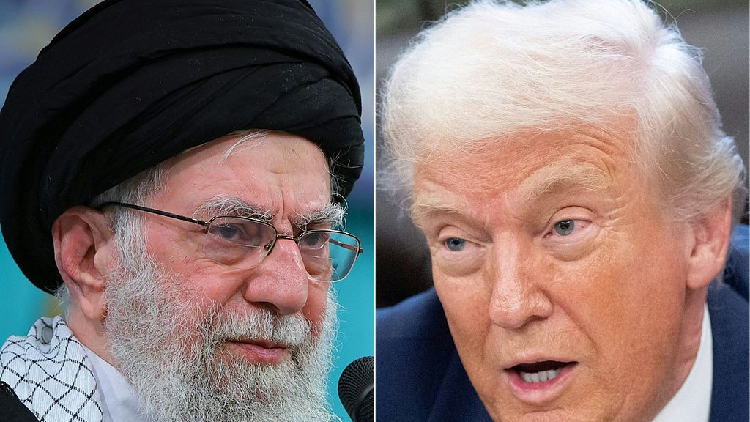
In a highly anticipated diplomatic move, United States and Iranian officials have begun talks in Oman’s capital of Muscat, marking a fragile effort to ease soaring tensions between Washington and Tehran over Iran’s nuclear programme even as U.S. President Donald Trump has issued repeated threats of military action should negotiations fail.The high-stakes discussions come against a backdrop of deep mistrust, a massive U.S. military buildup in the Persian Gulf, and fears that a breakdown in diplomacy could spark wider conflict in the already volatile Middle East.
The talks are the first formal encounter between the two nations since Washington joined Israel’s 12-day military campaign against Iran last year, which included U.S. airstrikes on Iranian nuclear facilities. Iranian Foreign Minister Abbas Araghchi and U.S. Middle East envoy Steve Witkoff accompanied by senior officials are leading their respective delegations.

AD: Capeesh Restaurant
While both sides insist on their strategic goals, their sharply divergent positions on the scope of discussion reflect the broader challenges that could determine whether diplomacy prevails or tensions escalate into open conflict.
Friday’s negotiations were finally confirmed after days of uncertainty over format and venue, following Iran’s insistence that talks focus solely on its nuclear activities and not on other contentious issues like ballistic missiles or regional influence.
A last-minute agreement to move the meetings to Oman, which has historically served as a discreet mediator between the United States and Iran, allowed diplomats to convene after a brief breakdown in preparatory dialogue.

AD: Oysterian Sea Food Restaurant And Bar
President Trump has publicly underscored his willingness to escalate militarily if Iran does not agree to curbs on its nuclear programme. In recent statements, he warned Iran’s leadership that they should be “very worried” and emphasised that the United States retains “many options at its disposal,” including force, in response to Tehran’s refusal to halt enrichment or concessions on its missile programme.
This tone comes amid a significant buildup of U.S. naval and airpower in the region, which underscores the precariousness of the diplomatic opening.
Iran, for its part, has framed the talks as a diplomatic opportunity that must be based on “mutual respect, equal standing and mutual interest,” according to Araghchi, even as Tehran remains firm that any discussions be limited to nuclear issues.
Iranian officials have expressed resistance to external pressure and have pledged to defend their interests should the United States pursue what they perceive as “adventurism.”
Complicating the atmosphere, regional incidents have amplified tensions. In the days leading up to the talks, Iran seized two foreign oil tankers in the Persian Gulf, alleging fuel smuggling near strategic waters a move that drew international attention and underscored the broader geopolitical strain.
The core agenda of the Oman talks centres on Iran’s nuclear programme, particularly its enrichment activities and the scope of international inspections a legacy of the 2015 Joint Comprehensive Plan of Action (JCPOA) that the United States abandoned in 2018.
Washington is seeking assurances that Tehran will not pursue a nuclear weapon, while Tehran insists on its sovereign right to peaceful nuclear development.
U.S. officials have urged Iran to go beyond nuclear issues to include discussions on its ballistic missile programme, support for proxy militias in the region, and human rights concerns demands that Iran has so far rejected.
These differences reflect deep strategic rifts: Washington views Iran’s missile capabilities and regional alliances as critical security threats, while Tehran sees such demands as infringements on its autonomy and security prerogatives.
Despite the tension, there are signs that both sides are approaching the talks with cautious determination. Iranian state media and officials characterised the initial session as “positive” and signalled readiness to continue discussions in a subsequent meeting anticipated next week.
According to Iran’s Foreign Minister, reaching a basis for more substantive negotiations would represent meaningful progress and could set the stage for broader dialogue.
The outcome of these talks carries significant regional implications. A constructive resolution could ease one of the Middle East’s most dangerous flashpoints, reassure Gulf nations, and stabilise global energy markets, which are acutely sensitive to disruptions in oil-rich regions.
Conversely, a breakdown in negotiations especially in the context of Trump’s aggressive rhetoric and military posture could further inflame tensions, potentially drawing in regional actors and escalating into broader confrontation.
Energy markets have already responded to the geopolitical uncertainty. In the days leading up to the talks, global oil prices experienced volatility, briefly spiking amid fears of conflict before easing as diplomatic prospects re-emerged. Analysts warn that prices will remain highly sensitive to developments in Muscat and wider Middle Eastern stability.
Critics of the current approach argue that military threats undermine the very diplomacy the United States claims to pursue, potentially hardening Iranian resistance.
Supporters of the U.S. position contend that a credible threat of force gives Washington leverage that could compel Tehran to negotiate in good faith. This debate highlights a central tension in international diplomacy: how to balance pressure and dialogue in pursuit of strategic objectives.
Human rights and internal political dynamics within Iran further complicate the backdrop to these talks. The country has experienced widespread protests and violent crackdowns in recent months, which have weakened the government’s internal legitimacy.
These domestic pressures may influence Tehran’s negotiating stance, as leaders weigh the benefits of diplomatic engagement against concerns about appearing weak or capitulating under external duress.
Ultimately, the success of the talks in Oman will hinge on whether negotiators from the United States and Iran can bridge deep-seated strategic rivalries that have shaped their relationship for decades. Mutual distrust remains profound, rooted in a long history of sanctions, military confrontations, and failed diplomatic efforts.
Yet despite this fraught background, the decision by both sides to sit down at the negotiating table reflects a shared recognition that the costs of escalation could be severe, not only for Washington and Tehran but for the wider Middle East and the global economy.
While officials on both sides have signalled a willingness to continue the dialogue, describing the opening exchanges as cautious but constructive. This willingness suggests that neither government is yet prepared to abandon diplomacy, even as inflammatory rhetoric and military posturing continue in parallel.
The presence of US military forces in the region and Iran’s continued nuclear enrichment activities underscore how easily miscalculation could tip tensions into open confrontation. At the same time, the talks themselves offer a rare channel for direct communication, which could help reduce misunderstandings and manage crises before they spiral out of control.
A genuine breakthrough in Oman could ease one of the world’s most dangerous standoffs, lowering the risk of a regional war that might draw in neighbouring states and disrupt vital energy supplies. Such an outcome would require meaningful compromise, particularly on the nuclear issue and the scope of future negotiations.
Without that compromise, however, the spectre of conflict will continue to loom large, with diplomacy serving only as a temporary pause rather than a lasting solution to a deeply entrenched rivalry.

AD: Heritage And Restaurant Lounge Bar