
By Ben Kerrigan-
As Russia’s full-scale invasion of Ukraine grinds into its fourth year, a quieter but deeply consequential crisis is unfolding inside maternity wards across the country.
In regions closest to the front lines, doctors are reporting a marked increase in premature births cases they say are closely tied to sustained wartime stress, disrupted healthcare systems, and the daily reality of living under bombardment. In some areas, the proportion of babies born prematurely has nearly doubled since before the war, adding further strain to Ukraine’s already stretched medical infrastructure and raising concerns about long-term impacts on maternal and infant health.

AD: Capeesh Restaurant
According to reports, United Nations data indicates that regions such as Kherson, Zaporizhzhia, and parts of Poltava have seen significant increases in preterm births since 2022, with frontline areas experiencing the steepest rises. These trends are unfolding alongside broader demographic pressures, including population displacement, declining fertility rates, and the destruction or damage of healthcare facilities across the country.
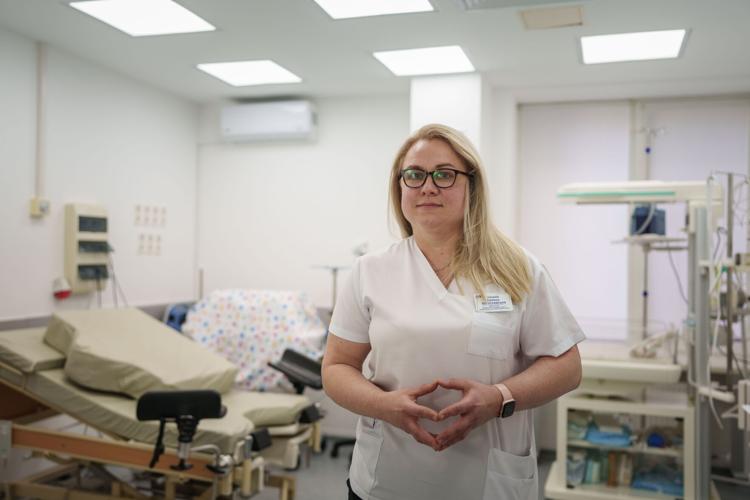
In maternity wards near active conflict zones, medical teams are working under conditions that would be unrecognisable in peacetime. Air raid sirens regularly interrupt deliveries, and some hospitals have been forced to move patients into basements or shelters during emergencies.
In Kherson, for example, a maternity ward was damaged in a strike in late 2025, further illustrating the vulnerability of reproductive healthcare infrastructure during the conflict. Healthcare workers say these disruptions are not merely logistical challenges but direct contributors to pregnancy complications. The World Health Organization has documented thousands of attacks on healthcare facilities in Ukraine since 2022, including dozens targeting maternity and neonatal units, severely limiting access to safe prenatal and delivery care.

AD: Oysterian Sea Food Restaurant And Bar
In many hospitals, even basic procedures such as fetal monitoring during labor can be interrupted when staff and patients must rush to bomb shelters, increasing risks for both mothers and newborns.
In frontline cities like Zaporizhzhia, neonatal units have become spaces of both resilience and crisis management. Doctors report that babies born at 26 or 28 weeks of gestation extremely premature by medical standards are no longer rare exceptions. Instead, they are an increasing share of neonatal admissions, requiring long stays in incubators and intensive care.
According to recent reporting, preterm birth rates in some southern regions have nearly doubled compared with pre-war levels, with Kherson rising from about 5.4% in 2019 to nearly 10% by 2025. Medical experts emphasise that while multiple factors are involved, the connection between maternal stress and early labor is increasingly evident.
Prolonged exposure to fear, displacement, and uncertainty is known to elevate risks during pregnancy, potentially triggering premature contractions and other complications. In Ukraine, those stressors are compounded by the absence of stable healthcare access and the psychological toll of war.
The human toll behind the statistics
Behind the data are mothers navigating pregnancy in conditions of constant uncertainty. Some give birth while their partners are deployed or fighting at the front. Others travel long distances to reach functioning hospitals, only to face overcrowded wards and limited neonatal resources.
Survival often depends not only on medical intervention but on whether electricity, equipment, and staffing are available during ongoing strikes or power outages. One widely reported case involved a mother in Zaporizhzhia whose baby was born at just 26 weeks and weighing under one kilogram. The infant survived after months in intensive care but continues to require medical support for respiratory complications an outcome doctors say is increasingly common among extremely premature babies born during the war.
International organisations,including the United Nations Population Fund (UNFPA), have warned that the conflict is placing pregnant women at significantly higher risk of complications and even maternal mortality. A combination of hospital damage, disrupted supply chains, and chronic stress has created what aid workers describe as a “multilayered reproductive health emergency.”
Ukraine’s overall birthrate has fallen sharply since the invasion, deepening concerns about long-term demographic decline. Some regions have seen births drop by more than half compared with pre-war years, even as the proportion of high-risk pregnancies increases.
This paradox fewer pregnancies overall, but more medically complex and premature births underscores the uneven and compounding effects of war on reproductive health. Healthcare professionals say the psychological burden on pregnant women cannot be separated from the physical outcomes they are seeing. Fear of airstrikes, repeated evacuations, and the absence of stable support networks are now routine parts of pregnancy for many Ukrainian women living in or near conflict zones.
International aid groups have responded with mobile maternity units, underground delivery rooms, and emergency neonatal equipment designed to function even during blackouts. Yet doctors warn these measures are only partial solutions. The underlying conditions ongoing conflict, infrastructure damage, and sustained civilian stress continue to drive adverse outcomes.
Ukraine’s war continues with no clear end in sight, neonatal wards across the country are quietly becoming frontline spaces themselves. Each incubator holds not just a fragile newborn, but a reflection of how deeply conflict reshapes even the earliest stages of life.
In hospitals from Kyiv to Dnipro and closer to the eastern front, these units are now shaped as much by emergency protocols as by medical care, with staff trained to move premature infants into safer rooms or basement shelters at a moment’s notice when air raid sirens sound.
With neonatologists, the work has become a constant negotiation between urgency and fragility. A ventilator cannot simply be switched off during evacuation. An incubator cannot be easily moved through darkness or rubble. Electricity cuts, once rare inconveniences, now represent immediate threats to survival for infants who depend on uninterrupted warmth and oxygen.
Backup generators and battery systems have become as essential as medical expertise, yet even these safeguards can be strained during prolonged attacks on Ukraine’s energy infrastructure.
The emotional toll on medical staff is also significant. Nurses describe forming intense, protective bonds with infants who may weigh less than a kilogram at birth, knowing that their survival can hinge on circumstances far beyond the hospital walls. Many staff members have themselves been displaced or have family members serving in the military, creating a shared sense of vulnerability that permeates the ward.
The experience is often defined by uncertainty layered upon fear. Parents of premature infants may spend weeks or months in hospital corridors or temporary accommodation nearby, waiting for milestones measured in grams gained and breaths stabilised. Each improvement is fragile, each setback amplified by the instability outside the hospital gates.
In this way, neonatal care in Ukraine has become inseparable from the wider geography of war. The incubator is no longer just a medical device. It is a shelter, a lifeline, and a symbol of continuity in a country where even the beginning of life is shaped by conflict.

AD: Heritage And Restaurant Lounge Bar