
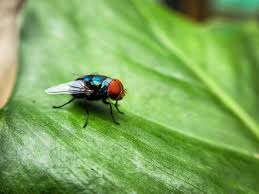
By Kenneth Williams-
The reappearance of the New World screwworm fly in the United States has triggered concern among livestock producers, veterinarians, and federal authorities, marking the return of a pest that was considered eradicated from the country for decades.
U.S. agriculture officials have confirmed multiple cases of New World screwworm infestations in Texas and New Mexico in recent days, prompting emergency containment measures and renewed efforts to prevent the parasite from spreading further. The discoveries come after months of warnings from experts who tracked the northward movement of the pest through Mexico and Central America.

AD: Capeesh Restaurant
The New World screwworm, scientifically known as Cochliomyia hominivorax, is not an ordinary fly. Unlike common maggots that feed on dead tissue, screwworm larvae consume living flesh. Female flies lay eggs in open wounds on warm-blooded animals, and after hatching, the larvae burrow into healthy tissue, causing severe injuries, infections, and sometimes death if left untreated.
The parasite poses a significant threat to cattle, horses, sheep, goats, wildlife, pets, and, in rare instances, humans. Although no locally acquired human cases have been reported in the United States during the current outbreak, public health agencies are closely monitoring the situation.
The recent detections represent a major setback for agricultural authorities. In nearly six decades, the United States had remained free of the pest following one of the most successful insect-eradication campaigns in modern history. The current cases are the first confirmed domestic detections since the 1960s, underscoring the challenges posed by emerging animal health threats in an increasingly interconnected world.

AD: Oysterian Sea Food Restaurant And Bar
Why the New World Screwworm Matters
The economic and agricultural implications of a wider outbreak could be enormous. Texas alone is home to the largest cattle industry in the United States, and experts warn that an uncontrolled screwworm infestation could inflict billions of dollars in losses through livestock deaths, treatment costs, trade disruptions, and reduced productivity.
Some estimates place the potential damage at as much as $1.8 billion if the parasite becomes established in major livestock-producing regions. Federal officials have been anticipating the possibility of the pest reaching the United States since it began spreading northward through Central America and Mexico. In response, the U.S. Department of Agriculture suspended imports of live cattle, horses, and bison through southern border ports in 2025, citing concerns about the parasite’s rapid advance.
Despite those precautions, the screwworm continued moving closer to the border. In late May, Mexican authorities reported cases only a few dozen miles from Texas, intensifying fears among ranchers and animal health experts.
The first confirmed U.S. case in the current outbreak was detected in a calf in Zavala County, Texas. Additional cases have since been confirmed in a goat and a dog, while another infected animal led to New Mexico’s first official case linked to the current resurgence. Authorities are conducting extensive investigations to determine whether the infestations are isolated incidents or signs of a broader spread.
For ranchers, the return of the screwworm revives memories of a devastating period before the insect was eradicated. Older producers remember spending countless hours inspecting animals for wounds and signs of infestation. Many fear the current outbreak could force a return to those labour-intensive practices.
The parasite’s life cycle makes it especially destructive. A single female fly can lay hundreds of eggs in a wound. Once the larvae emerge, they begin feeding aggressively on living tissue, enlarging the wound and attracting additional flies. If untreated, infestations can lead to severe suffering, secondary infections, and death.
Wildlife presents another challenge. Deer, feral pigs, and other wild animals can carry infestations across large distances, making containment difficult even when domestic livestock are closely monitored. Researchers have warned that wildlife populations could become a reservoir for the parasite if it gains a foothold in North America.
How Officials Are Fighting the Outbreak
The primary weapon against the New World screwworm is a technique that helped eliminate the insect from the United States in the first place: sterile fly releases. The method involves breeding millions of male screwworm flies in specialised facilities and sterilising them before release. When sterile males mate with wild females, no viable offspring are produced.
Over time, the wild population collapses, eventually leading to eradication. The approach was hailed as a groundbreaking success during the mid-20th century and remains the cornerstone of modern screwworm control efforts.
Federal officials have already launched surveillance operations, quarantines, trapping programs, and preparations for expanded sterile-fly releases in affected areas. The USDA says it is working with state agencies and industry groups to prevent further spread while rapidly investigating new reports of suspicious infestations.
Officials are investing in additional infrastructure to strengthen long-term defences. A new sterile-fly production facility is being developed in Texas, although experts acknowledge that building sufficient production capacity will take time.
Not everyone is satisfied with the current response. Some ranchers and state officials have criticised federal agencies for moving too slowly and have called for the deployment of additional control measures, including the Screwworm Adult Suppression System, or SWASS, a bait-based technology designed to reduce adult fly populations more rapidly. Advocates argue that combining multiple control strategies could accelerate eradication efforts.
The outbreak is also creating ripple effects beyond animal health. Canada has imposed restrictions on livestock imports from affected U.S. regions, while market analysts are watching for potential impacts on cattle supplies and beef prices. Although no major disruptions have yet materialised, uncertainty remains high as officials assess the scope of the problem.
Public health authorities emphasise that the risk to most Americans remains low. Human infestations are rare and generally occur when open wounds are exposed to screwworm flies in areas where the parasite is present. Nevertheless, medical and veterinary professionals are being encouraged to remain vigilant, particularly in regions where cases have been detected.
The success of the response will depend on rapid detection, aggressive containment, and cooperation among federal agencies, state gsvernments, ranchers, veterinarians, and wildlife managers. The United States defeated the New World screwworm once before, but its return serves as a reminder that even long-eradicated threats can re-emerge.
Officials are urging livestock owners to inspect animals regularly, report suspicious wounds, and follow biosecurity recommendations.

AD: Heritage And Restaurant Lounge Bar