
By Theodore Brown-
American travellers in parts of the Middle East are facing an unprecedented travel crisis this week as a widening conflict sparked by joint U.S. and Israeli strikes on Iran has disrupted commercial flight networks, closed airspace across much of the Gulf, and prompted urgent government warnings to leave the region. Amid the chaos, thousands are trying to find a way home, navigating canceled flights, fear of air travel, and patchwork evacuation efforts coordinated by the U.S. government and other nations.
The U.S. State Department, facing growing concern from lawmakers and families, has urged American citizens in more than a dozen Middle Eastern countries to “depart immediately” using any available commercial transportation while also working to provide additional options like charter flights and buses for those blocked by airspace closures.

AD: Capeesh Restaurant
In a travel advisory posted Monday, Assistant Secretary of State for Consular Affairs Mora Namdar emphasised the urgency of the situation, listing 14 nations including Bahrain, Egypt, Iran, Iraq, Israel, Jordan, Kuwait, Lebanon, Oman, Qatar, Saudi Arabia, Syria, the United Arab Emirates and Yemen where Americans should try to leave due to serious safety risks.
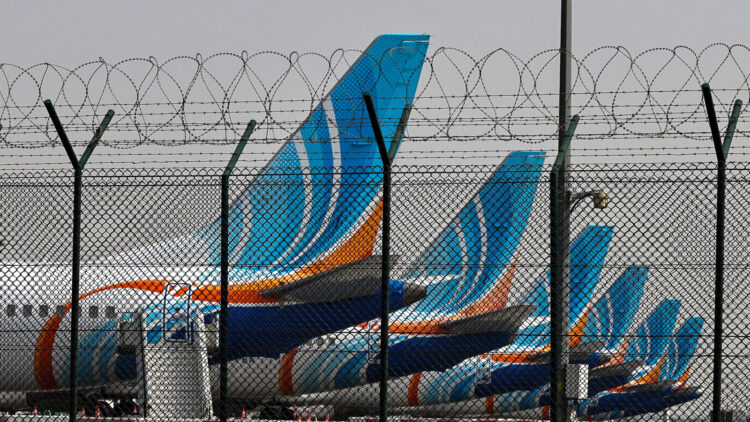
The situation has been compounded by widespread airport and airspace shutdowns across the region. Major Gulf hubs such as Dubai International Airport remain closed or severely limited, leaving thousands of international travellers including many Americans stranded with little notice.
“None of this was on our itinerary,” said one American traveler reached in Dubai, describing frantic attempts to reach airlines or book flights home through alternate hubs. Many have posted on social media about long airport waits, canceled bookings, and uncertainty over when or if they can return to the U.S.

AD: Oysterian Sea Food Restaurant And Bar
Some travelers have been forced to consider overland routes through neighboring countries or distant airports where commercial flights still operate. Others have shared emotional stories of families stranded in hotels, trying to reorganize travel plans in real time as airspace closures evolve.
The human toll of the disruption is mounting. In reports to ABC News, Americans caught in the region recounted feelings of fear, confusion and frustration often struggling to obtain clear re-enforcement from airlines or U.S. government channels.
In addition to urging departure via commercial flights, officials say they are actively facilitating charter flights from key locations like the United Arab Emirates, Saudi Arabia and Jordan to help stranded Americans reach safety.
In a public post on X (formerly Twitter), State Department officials confirmed that they are “actively securing military aircraft and charter flights for American citizens who wish to leave the Middle East,” stressing that assistance is being provided to those who contact U.S. missions and register with consular services.
The department has also outlined plans to deploy charter buses within affected countries like Israel to transport Americans to neighbouring nations where airspace is open and flights can be accessed. These shuttles are expected to operate from meeting points in cities such as Tel Aviv, Jerusalem, Haifa and Herzliya, ferrying evacuees toward alternative departure points and onward travel to the United States.
This multi‑modal approach aims to bridge gaps caused by flight suspensions. With many Middle Eastern airspaces closed due to regional hostilities, commercial avenues remain severely constrained. In some cases, ground travel to Egypt, Oman or Jordan has become a practical if arduous option for Americans trying to flee the region.
Officials say they have already assisted more than 9,000 Americans in returning home since the beginning of the conflict, using a mix of charter flights and commercial arrangements. Some evacuees secured their own tickets independently, while others received guidance from U.S. officials to connect to available flights outside of closed airspace zones.
However, the government’s response has not been without criticism. Some Americans stranded in the Gulf have voiced frustration over communication delays and limited immediate support from U.S. missions particularly in countries where embassies have scaled back operations or advised citizens to shelter in place.
At the root of much of this chaos is the fact that major airline carriers including Emirates, Qatar Airways and Etihad have suspended or sharply reduced services in the region due to the security situation. These disruptions have left travellers with few alternatives and raised costs for available routes significantly, with some private charter services charging tens of thousands of dollars.
The ripple effects extend beyond just American travelers: global air traffic has been disrupted, cruise ships have been stalled in the Persian Gulf, and travel industries around the world are adjusting to evolving safety warnings and cancellations.
Despite the challenges, some commercial flights from countries like Egypt and Oman have continued operating, offering vital links out of the region for those who can reach these transit hubs. U.S. officials have encouraged Americans to explore these paths, even if they require long overland or multi‑stage journeys.
In its travel guidance, the State Department has reiterated the importance of enrolling in the Smart Traveler Enrollment Program (STEP) an official system that allows U.S. citizens abroad to receive embassy updates and assistance information.
The current travel advisory one of the most urgent in recent memory underscores how rapidly geopolitical tensions can upend international travel plans and thrust civilians into unfamiliar danger.
Whether through government‑facilitated charter flights, embassy‑coordinated buses, or commercial tickets secured in distant airports, Americans in the Middle East are scrambling to navigate a complex web of logistics and safety concerns as they attempt to make their way home.
While the situation continues to develop, travelers are being strongly encouraged to remain vigilant and informed through official channels, including the U.S. State Department, local U.S. embassies, and consulates, as well as the Smart Traveler Enrollment Program (STEP).
While registering with STEP, Americans can receive real-time alerts, safety updates, and guidance on evacuation or transportation options, helping them make critical decisions in rapidly changing circumstances.
Experts emphasise that the situation on the ground remains unpredictable, with security, airspace availability, and ground transportation conditions shifting with little notice.
Travellers are advised to have contingency plans in place, such as alternative flight routes, neighbouring countries for potential overland travel, and knowledge of emergency contacts in both their host country and the United States.
Additionally, travellers should maintain access to sufficient funds, keep essential documents like passports and visas readily available, and ensure they have reliable communication methods, including mobile phone service or satellite-enabled devices, in case standard networks become disrupted.
Staying in regular contact with family or friends back home is also critical, as it allows authorities and loved ones to monitor their safety and respond quickly if circumstances deteriorate. While the logistical challenges are significant, proactive preparation and careful attention to official guidance can make the difference between a smooth evacuation and a potentially dangerous situation.

AD: Heritage And Restaurant Lounge Bar