
By Theodore Brown-
In a development that could reshape Arctic geopolitics, the United States has quietly begun negotiations with Denmark and Greenland to secure access to several new military bases on the vast Arctic island, according to senior U.S. officials and international media reports.
The move marks the most significant potential expansion of the U.S. military footprint in Greenland in decades, reviving global attention on the strategic importance of the Arctic amid rising tensions with Russia and China.

AD: Capeesh Restaurant
The discussions, described by Pentagon leaders as productive and ongoing, focus on gaining access to up to three additional sites beyond the existing Pituffik Space Base, which is currently the only U.S. military installation on the island. Generals from U.S.
Northern Command testified to lawmakers that enhanced facilities including airfields and ports at locations like the former Narsarsuaq and Kangerlussuaq bases would provide the United States with greater operational flexibility in the Arctic as climate change opens new sea routes and heightens geopolitical competition.
Although these talks are being conducted with discretion, they signal a broader shift in Washington’s strategic priorities. Under a 1951 defense treaty, the U.S. has had rights to operate bases in Greenland, originally established to counter Cold War threats and today critical for missile warning and space surveillance missions.

AD: Oysterian Sea Food Restaurant And Bar
The expansion initiative would be the first major post‑Cold War enlargement of U.S. military access, reflecting perceptions among American defence planners that Arctic security requirements have dramatically increased.
However, the renewed focus on Greenland has stirred political sensitivities on several fronts. Critics both in Greenland and among European allies warn that deeper U.S. military integration could strain relations with Denmark and fuel suspicions about Washington’s long‑term intentions in the region.
The government of Greenland, a semi‑autonomous part of the Kingdom of Denmark, has repeatedly emphasised its desire to retain control over the island’s future, even as it cooperates with NATO partners on defence matters.
Pentagon officials, including Air Force Gen. Gregory Guillot, have made public appeals to Congress underscoring Greenland’s importance as a strategic bridge between North America and Europe, particularly as Russia expands its northern military presence and China seeks economic inroads in Arctic infrastructure.
Expanded bases, officials argue, would improve U.S. missile defence systems, enhance surveillance of polar airspace, and provide staging areas for rapid deployment of troops and equipment across the northern hemisphere.
Yet political debate in Washington and Copenhagen reveals fault lines in how Greenland’s status is viewed. A month’s‑long period of diplomatic tension has followed statements from U.S. leaders about the possibility of extending American control or even acquiring Greenland outright ideas that Denmark and other NATO allies have publicly rejected.
European leaders have stressed that Greenland’s future is not subject to U.S. ownership and that any expansion of U.S. military access must respect Danish sovereignty and local consent.
To many residents of Greenland, the prospect of additional U.S. bases is met with mixed feelings. While some see economic and security benefits from closer American ties, others express unease about becoming a focal point of great‑power competition.
There is concern that an expanded U.S. presence could make the island a geopolitical flashpoint, particularly given its proximity to Russia and its emerging importance in climate‑related shipping and resource development.
Diplomats have emphasised that the negotiations are not a fait accompli. Danish and Greenlandic representatives have insisted that any agreement must be reached jointly and that existing frameworks governing military access will be honoured.
NATO officials have also indicated that broader alliance cooperation in the Arctic will shape how any new base arrangements are structured, stressing transparency and mutual defence commitments.
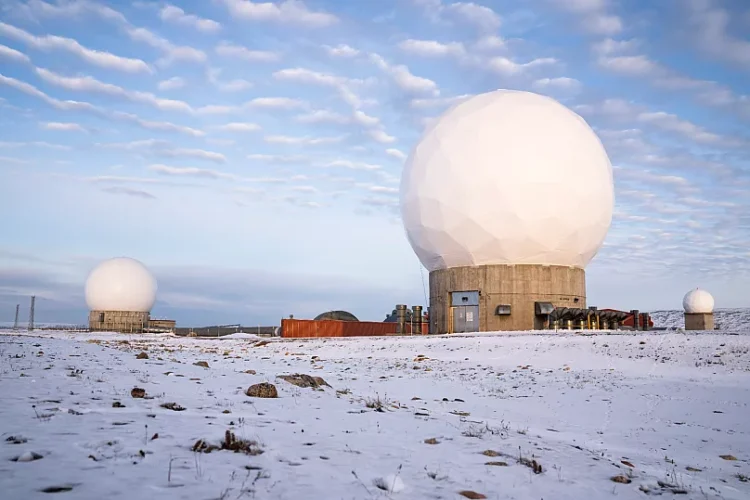
The United States operates Pituffik Space Base at Thule in northwestern Greenland, a legacy of early Cold War strategy and still a critical element of North American Aerospace Defense Command (NORAD) today. It plays a central role in missile warning systems and space surveillance, but it is remote and limited in capacity relative to U.S. military needs in an accelerating era of Arctic competition.
Despite the strategic arguments put forward by U.S. officials, some analysts warn that heightened military focus on Greenland may inflame regional tensions, not only with Moscow but also within NATO.
Critics argue that the U.S. push for more bases must be carefully calibrated to avoid undermining the cohesion of the alliance, especially as European partners invest in their own Arctic presence and cooperative exercises with Denmark and Greenland’s joint forces continue.
Back in Washington, lawmakers from both parties have called for more clarity from the administration on the goals and legal basis for the negotiations. Some members of Congress have urged caution, pointing to past controversies over U.S. military agreements abroad and the complicated legal status of defence treaties that allow extended access without altering sovereignty.
Administration officials have reiterated that any expansion of U.S. bases in Greenland would be conducted under existing international law and in partnership with Copenhagen and Nuuk, emphasising that the goal is security cooperation rather than territorial acquisition.
They argue that Greenland’s strategic geography perched between the North Atlantic and the Arctic Ocean makes it indispensable to U.S. defence strategy, particularly as the global strategic environment shifts.
While discussions continue behind closed doors, the world watches a diplomatic chess game with profound implications for the balance of power in the Arctic. Greenland, a sparsely populated yet strategically vital territory, has long been seen as a bridge between North America and Europe, a gateway to the Arctic’s increasingly navigable sea lanes, and a frontline in the emerging competition among global powers.
Analysts note that control over military infrastructure on the island could allow the United States to project power across the northern hemisphere, monitor missile activity, and maintain dominance over critical Arctic air and maritime routes.
This strategic leverage, however, comes with delicate political considerations, as Denmark and Greenland assert their sovereignty and the right to shape the island’s future independently.
With NATO, expanded U.S. access could reinforce the alliance’s northern flank, providing bases for rapid troop deployment, intelligence gathering, and surveillance operations. It may also enhance cooperation with other Arctic partners, particularly Canada, Norway, and Iceland, creating a more cohesive defensive posture against potential threats from Russia or opportunistic actions by China in the Arctic.
Such moves risk alienating European partners wary of unilateral U.S. decisions, potentially straining diplomatic relations and sparking debates about the proper balance between national interests and collective security obligations.
Moreover, Greenland’s residents are increasingly conscious of the geopolitical spotlight, weighing potential economic benefits against the risk of turning the island into a flashpoint for global rivalry.
The outcome of these negotiations will not only influence Arctic military strategy but may also set a precedent for how small, strategically positioned territories navigate the competing ambitions of world powers in the 21st century. The stakes extend beyond mere bases and touch on sovereignty, alliance cohesion, and the evolving rules of Arctic engagement.

AD: Heritage And Restaurant Lounge Bar