
By Aaron Miller-
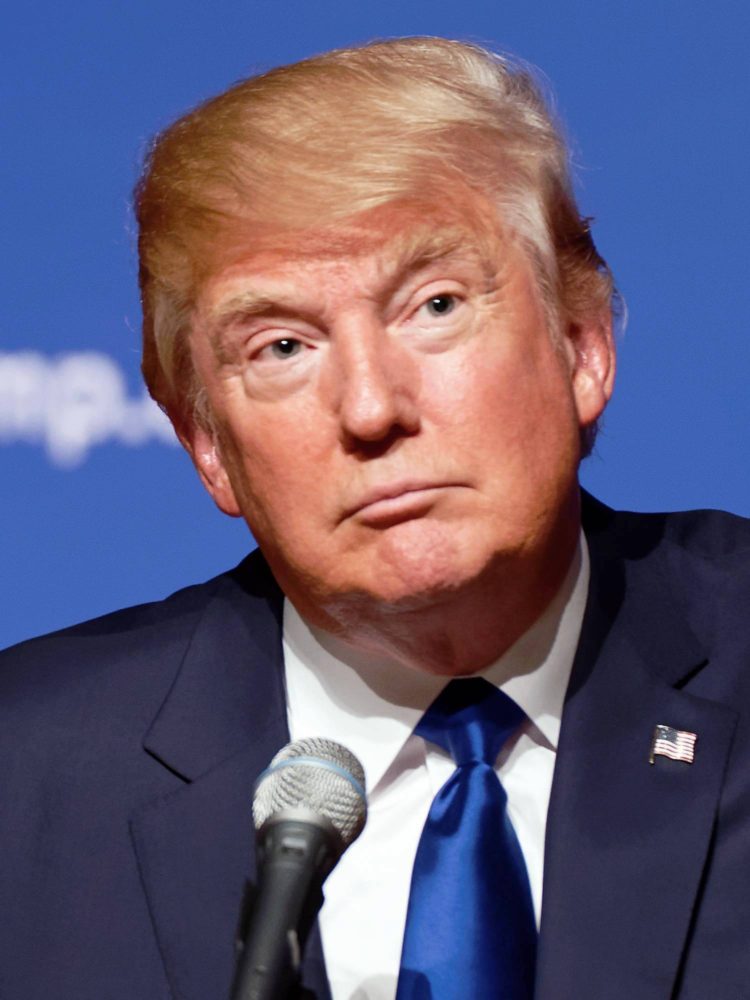
U.S. President Donald Trump has sparked fresh debate over the widening geopolitical consequences of the Middle East conflict after suggesting that Vladimir Putin may be offering quiet assistance to Tehran in its confrontation with the United States and Israel. Speaking in a recent interview,
Trump argued that Moscow could feel justified in helping Iran because Washington and its allies have provided extensive military, financial, and intelligence support to Ukraine during its ongoing war with Russia.

AD: Capeesh Restaurant
The comment comes at a time when tensions involving Iran, the United States, and Israel have intensified, raising concerns that multiple global crises—once treated as separate theatres—are increasingly converging into a single geopolitical contest. Trump’s suggestion that Moscow may be providing at least limited backing to Tehran highlights a growing belief among analysts that rival powers could be using regional conflicts to indirectly counter Western influence.
Although Trump did not present direct evidence for the claim, his remarks reflect a strategic logic that has shaped international politics for decades. In the view he articulated, the U.S president said Russia may perceive Western assistance to Ukraine as a form of proxy warfare against Moscow, and therefore consider reciprocal support for adversaries of the United States. Such calculations are not unprecedented: during the Cold War, superpowers frequently supported opposing sides in regional conflicts as a way to compete without engaging in direct confrontation.
The possibility of Russia assisting Iran has gained attention partly because relations between Moscow and Tehran have grown significantly closer in recent years. Since the outbreak of the war in Ukraine in 2022, both governments have faced heavy sanctions from Western countries and have sought to deepen cooperation across economic, diplomatic, and security domains.

AD: Oysterian Sea Food Restaurant And Bar
Their alignment was formalised further in 2025 when the two states signed a long-term strategic partnership agreement aimed at strengthening collaboration in defence, energy, and trade.
While the agreement does not obligate Russia to defend Iran militarily, it symbolises a broader convergence of interests. Both governments oppose the global influence of the United States and seek to reshape aspects of the international order that they view as dominated by Western alliances.
This shared outlook has already produced tangible cooperation. Iran has supplied drones and other military equipment to Russia during the war in Ukraine, while Moscow has provided diplomatic support to Tehran in international forums and expanded economic ties that help mitigate sanctions pressure.
Within that context, analysts say it would not be surprising if Russia were to offer limited forms of assistance to Iran during the current crisis. Intelligence cooperation is one area frequently cited by Western officials. Reports have suggested that Russia could share surveillance or targeting information that helps Iran monitor U.S. military activity in the region, including naval deployments or air operations. Even relatively modest intelligence sharing could enhance Tehran’s ability to anticipate military moves by its adversaries.
Another possible form of support involves electronic warfare and battlefield awareness technologies. Experts note that Russia has developed sophisticated capabilities in signal interception and radar systems that could potentially be used to improve Iran’s defensive posture. If such systems were shared—directly or indirectly—they might help Iranian forces detect aircraft or missile launches earlier, complicating operational planning for both the United States and Israel.
At the same time, the strategic incentives for Moscow to assist Iran may extend beyond military cooperation. The Middle East conflict has already had significant effects on global energy markets, pushing oil prices sharply higher amid fears of supply disruptions. For Russia, one of the world’s largest energy exporters, such price increases translate into increased revenue that can help offset the impact of Western sanctions imposed after the invasion of Ukraine.
In addition, prolonged instability in the Middle East could shift the focus of Western governments away from Eastern Europe. If the United States and its allies are forced to allocate greater military resources and political attention to the Iran crisis, the level of support available to Ukraine might decline. From Moscow’s perspective, any reduction in Western engagement in the Ukrainian war would represent a strategic advantage.
Nevertheless, the idea that Russia is actively helping Iran remains contested. Many analysts caution that Moscow has strong reasons to avoid direct involvement in the conflict. Russia maintains complex relationships across the Middle East, including diplomatic channels with Israel and economic partnerships with several Gulf states. A clear alignment with Tehran against the United States could jeopardise those relationships and risk escalating tensions with Western powers.
Russia’s own military commitments also impose practical constraints. The war in Ukraine continues to demand substantial resources and attention from the Kremlin. Opening another front—even indirectly—could strain Russia’s military and intelligence apparatus. For this reason, if assistance to Iran is occurring, experts believe it is more likely to take subtle forms such as intelligence sharing, technological support, or diplomatic backing rather than overt military intervention.
There are also broader geopolitical considerations at play. The emerging pattern of cooperation among Russia, Iran, and several other states reflects what some analysts describe as a loose alignment of countries challenging the Western-led international order. Unlike formal alliances such as NATO, this grouping lacks binding defence commitments. Yet its members often coordinate politically and, in some cases, militarily to counterbalance U.S. influence.
This pattern has become more visible in recent years. Iran has provided drones and missile technology to Russia, while Moscow has expanded trade networks and financial mechanisms designed to bypass Western sanctions. China, although more cautious, has also strengthened economic and diplomatic engagement with both countries. Together, these interactions are gradually forming a network of partnerships that could reshape global strategic dynamics.
The Middle East conflict may accelerate this process. If Iran comes under sustained military pressure from the United States and Israel, Tehran will likely seek stronger backing from sympathetic powers. Russia, facing its own confrontation with the West, could find it strategically advantageous to deepen cooperation with Iran, particularly if it can do so without triggering a direct military clash.
At the same time, deeper Russian involvement would carry risks for all sides. Increased coordination between Moscow and Tehran could provoke stronger Western countermeasures, potentially including expanded sanctions or military deployments. It could also heighten the risk of miscalculation, especially if intelligence sharing or technological cooperation contributes to attacks on U.S. or Israeli assets.
The broader concern among policymakers is that separate regional conflicts may increasingly feed into one another. The war in Ukraine has already reshaped global security politics, prompting major shifts in defence spending, alliance structures, and economic policy. If the Middle East conflict becomes intertwined with that struggle, it could transform what were once regional crises into components of a wider geopolitical confrontation.
Trump’s remarks therefore resonate beyond the immediate question of whether Russia is helping Iran. They reflect a growing recognition that the lines between different theatres of conflict are blurring. Actions taken in one region—such as Western support for Ukraine—may influence calculations in another, encouraging rival powers to respond in kind.
For now, definitive evidence of Russian military assistance to Iran remains limited. Yet the strategic logic outlined by Trump aligns with patterns seen throughout modern international politics, where states often exploit indirect partnerships to challenge their rivals. Whether such dynamics will intensify or remain largely rhetorical will depend on how the current crisis evolves.
If the conflict deepens and external powers become more involved, the consequences could extend far beyond the Middle East. Energy markets, military alliances, and the balance of power among major states may all be affected. In that sense, the suggestion by Trump that Russia may be quietly backing Iran, touches on a much larger issue; that is the possibility that today’s regional wars are gradually merging into a broader contest for global influence.

AD: Heritage And Restaurant Lounge Bar