
By Charlotte Webster-
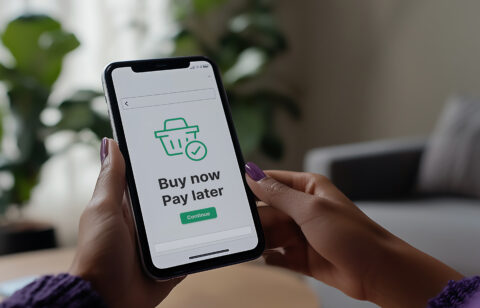
In shops and online checkouts across the UK, the tantalising “Buy Now, Pay Later” (BNPL) button has become almost as familiar as a contactless tap. It feels like a clever way to spread the cost of a new coat, a gadget or even a last-minute holiday.
But beneath the convenience lies a paradox: what seems like credit with no strings often ends up trapping people in spiralling repayments they weren’t prepared for. As the Financial Conduct Authority (FCA) prepares to overhaul the industry later this year, understanding how to use BNPL responsibly has never been more urgent.

AD: Capeesh Restaurant
At its heart, buy now, pay later isn’t free money it’s a form of credit. Under the current system, shoppers can split payments into instalments, often without paying interest if they stick to the schedule.
Providers like Klarna, Clearpay, PayPal and others make this possible by essentially lending the retailer the money upfront and letting you pay them back over weeks or months. The allure is simple: spread the cost and keep cash in your pocket a little longer.
But that simplicity can be deceptive. Miss a payment and you might incur a penalty or damage your credit score consequences that don’t show up on first glance when you click “continue.” Late fees and repayment reminders can quickly turn a £100 purchase into something much more costly, particularly if you’re juggling multiple BNPL plans at once.

AD: Oysterian Sea Food Restaurant And Bar
The industry has historically operated outside the full protection of UK credit laws, meaning consumers have had limited recourse when things go wrong until now. From 15 July 2026, BNPL agreements will fall under stricter FCA regulation.
That means providers must carry out affordability checks, provide clearer upfront information about repayment terms, and offer support if a customer starts to struggle. Most importantly, customers will be able to escalate complaints to the Financial Ombudsman Service if they feel treated unfairly.
This change doesn’t just shift industry practice it reflects growing alarm among charities and advisers about how easily people can overcommit without realising the full cost. BNPL lenders will remain obligated to check that a borrower can afford the repayments, the kind of scrutiny currently common with other credit products but previously absent here.
Practical Ways To Stay In Control
So how do you benefit from instalment payments without sliding into debt? Experts and consumer groups suggest a mix of discipline, planning and caution.
BNPL isn’t going away, and for some shoppers, it can be a genuinely helpful tool when used thoughtfully. For instance, spreading the cost of larger purchases like furniture, electronics, or even seasonal clothing can allow consumers to manage cash flow without resorting to high-interest credit cards or payday loans.
When used responsibly, BNPL can offer flexibility and even act as a budgeting aid, allowing people to plan for upcoming expenses while maintaining liquidity for essential spending.
However, the line between smart use and harmful overspending is often thinner than it appears. Even modest purchases can accumulate if shoppers take on multiple plans simultaneously or lose track of repayment dates. Missing just one payment can trigger late fees or negatively affect your credit rating, turning what seemed like a convenient tool into a source of financial stress.
Consumer behaviour research has shown that the instant gratification of deferred payments can tempt individuals into impulse buying, often for items they would not otherwise purchase. Awareness truly understanding the terms, fees, and repayment schedule becomes as critical as discipline in avoiding these pitfalls.
Regulators have recognized these risks. With new protections scheduled to roll out later this summer, BNPL providers will be required to conduct affordability checks, clearly display repayment terms, and offer support for customers experiencing difficulty.
These changes aim to shift the industry from a loosely regulated form of deferred payment to a service that aligns with broader consumer credit standards. The goal is to ensure BNPL remains a tool for financial convenience rather than a gateway into unmanageable debt.
With consumers, this regulatory shift provides an opportunity to adopt more intentional spending habits. Simple steps such as budgeting for purchases, setting reminders for payment dates, and avoiding overlapping BNPL plans can dramatically reduce the risk of overspending.
Moreover, planning for occasional purchases by saving ahead even when BNPL is available can help consumers retain control over their finances. Financial advisers and charities emphasize that treating BNPL like any other form of borrowing, rather than “free money,” is key to using it safely.
Ultimately, the future of BNPL depends on informed consumer use as much as regulatory oversight. When applied thoughtfully, it can be a legitimate financial tool that supports smart budgeting.
Misused, however, it risks becoming a slippery slope into debt that is difficult to escape. With the new protections, the hope is that more shoppers can enjoy the benefits of BNPL without the costs, creating a system where convenience and responsibility go hand in hand.

AD: Heritage And Restaurant Lounge Bar