
By Theodore Brown-
Federal authorities have charged a brother and sister after an explosive device was discovered outside MacDill Air Force Base, a strategically significant military installation that houses U.S. Central Command. The case, which unfolded over several days in March, has drawn national attention not only because of the potential danger posed by the device but also due to the unusual circumstances surrounding the suspects, including an alleged international flight and evidence tampering.
According to federal prosecutors, Alen Zheng, 20, and his sister Ann Mary Zheng, 27, were indicted on multiple charges tied to the discovery of what investigators described as a potentially deadly improvised explosive device near the base’s visitor center. Authorities allege that the device was placed on March 10, though it went undetected for nearly a week before being discovered on March 16, prompting an immediate and large-scale federal investigation.

AD: Capeesh Restaurant
Investigators say Alen Zheng faces the most serious charges, including attempting to damage government property by explosion and unlawfully manufacturing and possessing a destructive device. His sister has been charged as an accessory after the fact and accused of tampering with evidence, including allegedly helping dispose of a vehicle connected to the incident.
Authorities further allege that shortly after the device was planted, the siblings sold their vehicle and fled the United States, traveling to China. Ann Mary Zheng later returned and was taken into custody, while her brother remains overseas, with U.S. officials working to secure his return.
The device itself did not detonate, but officials emphasized that it had the potential to cause serious harm or death, underscoring the severity of the case and the risks posed to both military personnel and civilians in the surrounding Tampa area. The investigation into the explosive device began with a 911 call reporting a bomb threat near the base, though authorities did not immediately locate the device. Days later, an Air Force service member discovered the suspicious package near the visitor center, triggering an intensive response from federal law enforcement, including the FBI and the U.S. Attorney’s Office.

AD: Oysterian Sea Food Restaurant And Bar
Investigators moved quickly to piece together the events leading up to the discovery. Phone records and surveillance footage reportedly helped link Alen Zheng to the 911 call and to the vehicle used to transport the device. Prosecutors say the car was later sold and cleaned in an apparent attempt to eliminate evidence, though forensic analysis still uncovered traces consistent with explosive materials.
Search warrants executed at the family’s residence allegedly revealed components consistent with those used to construct explosive devices, further strengthening the case against the siblings. Meanwhile, the device recovered at the base was transported to an FBI laboratory for detailed analysis, where specialists are continuing to examine its composition and capabilities.
The timeline of event from the initial threat call to the discovery of the device and the suspects’ departure from the country has raised questions about planning, intent, and whether others may have been involved. At present, officials say the motive remains unclear, and there is no confirmed link to foreign governments or organized groups.
In a related development, authorities also charged a separate individual accused of making threatening phone calls to the base days after the device was found. While officials have not linked that person to the placement of the explosive, the calls contributed to heightened security measures and underscored the tense atmosphere surrounding the incident.
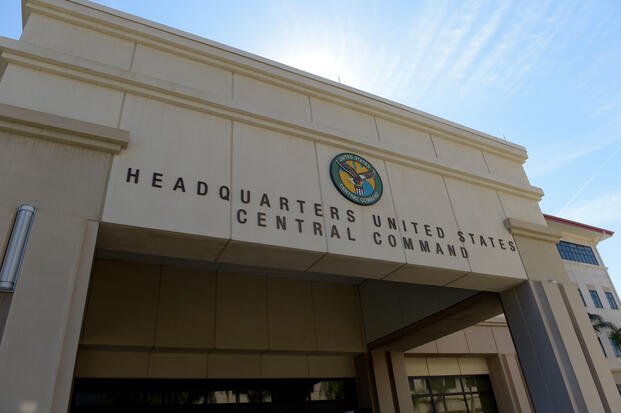
The case has taken on added significance because of the location involved. MacDill Air Force Base is not only a major U.S. military installation but also serves as the headquarters for U.S. Central Command, which oversees military operations in the Middle East, Central Asia, and parts of South Asia. Its strategic importance has made it a focal point for security concerns, particularly during periods of heightened geopolitical tension.
Officials have stressed that there is currently no evidence linking the suspects to international terrorism or state-sponsored activity. However, the fact that one suspect fled abroad has introduced additional complexities to the case, including potential diplomatic and legal challenges in securing extradition.
Legal experts note that the charges carry severe penalties, with Alen Zheng facing up to 40 years in prison if convicted, and Ann Mary Zheng facing up to 30 years. The seriousness of the charges reflects not only the alleged actions but also the location and potential consequences of the incident.
Beyond the courtroom, the case has reignited discussions about security around U.S. military installations and the challenges of detecting threats in large, open-access areas such as visitor centers and entry gates. While the device was ultimately discovered before it could detonate, the delay in locating it has prompted scrutiny of existing surveillance and response protocols.
Community members in the Tampa area have expressed a mix of relief and concern, grateful that no injuries occurred but unsettled by the proximity of the threat to a major military hub. For many, the incident serves as a reminder of the evolving nature of domestic security risks and the importance of vigilance.
While the investigation continues and prosecutors prepare their case, authorities have pledged to pursue all available avenues to ensure accountability. The outcome of the case may not only determine the fate of the individuals involved but also influence future policies on base security, threat detection, and international cooperation in criminal matters.
With the discovery of the explosive device and the swift unraveling of the events surrounding it stands as a stark illustration of how quickly a localised incident can escalate into a matter of national concern.
What began as a suspicious object near the perimeter of a single military installation rapidly evolved into a multi-agency investigation involving federal law enforcement, intelligence coordination, and international dimensions.
Within days, the case drew attention not only from security officials but also from policymakers and analysts who view such as indicators of broader vulnerabilities in domestic safety systems.
The speed with which authorities traced the suspects and pieced together their movements reflects both advances in investigative technology and the heightened readiness of agencies tasked with protecting critical infrastructure.
Surveillance footage, digital records, and forensic analysis all played crucial roles, demonstrating how modern investigations often rely on a convergence of tools rather than a single breakthrough. At the same time, the incident has prompted renewed scrutiny over how potential threats are identified before they reach sensitive locations, particularly in areas accessible to the public.
Security experts note that while the device did not detonate, its mere presence underscores the persistent challenge of anticipating lone-actor or small-group threats, which can be difficult to detect in advance. The case may lead to reviews of protocols not only at military bases but also at other high-value sites across the country, where balancing openness with security remains an ongoing concern.
In the public sphere, the episode has also heightened awareness of how interconnected local and national security issues have become. A single event, unfolding quietly at first, can ripple outward to affect perceptions of safety, government response, and institutional preparedness.
While more details emerge in the coming weeks, the case is likely to remain a focal point for discussions about vigilance, resilience, and the evolving nature of threats in an increasingly complex world.

AD: Heritage And Restaurant Lounge Bar