
By Aaron Miller-
In a sweeping federal corruption case that has thrust the city’s homelessness services system into the spotlight, prosecutors have charged four individuals tied to a major nonprofit that operates homeless shelters in New York City with embezzlement, bribery and fraud.
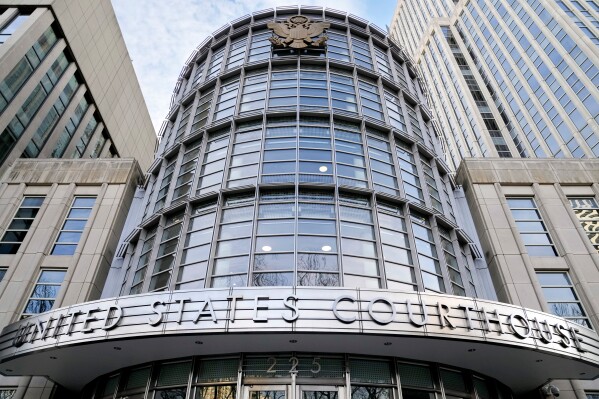
The indictment, unsealed Tuesday in Brooklyn federal court, paints a troubling picture of alleged exploitation of public funds meant to help one of the city’s most vulnerable populations.

AD: Capeesh Restaurant
Federal authorities allege that the leaders of the Brooklyn‑based nonprofit BHRAGS Home Care Corp. siphoned off some $1.3 million in public funds and steered highly profitable contracts to favoured vendors in return for kickbacks conduct that prosecutors characterise as a brazen betrayal of public trust.
At the centre of the case are the nonprofit’s president, Jean Ronald Tirelus, and executive director Roberto Samedy, both of whom were taken into custody and have pleaded not guilty to the charges.
A retired New York City police sergeant, Edouardo St. Fort, who ran a security company that provided services to BHRAGS, was also arrested in Massachusetts. A fourth vendor, Miguel Jorge, was likewise apprehended.

AD: Oysterian Sea Food Restaurant And Bar
Investigators allege that Samedy and Tirelus orchestrated a scheme to funnel millions in city contracts originally funded by taxpayer dollars and federal support for shelter operations to select vendors in exchange for financial perks and concealed benefits.
Prosecutors say the defendants exploited emergency contracting mechanisms, including no‑bid awards, which were widely used by city agencies to respond to surges in asylum seekers since 2022.
Beyond the four arrests, court filings suggest the broader probe has reached into city politics. A federal search warrant executed earlier this month names New York City Council member Farah Louis and her sister, Debbie Louis a top aide to Governor Kathy Hochul as individuals of interest in an inquiry into whether they accepted bribes or other benefits linked to the appropriation of city funding for migrant and homeless shelter operations.
Although neither has been charged, the development has shaken confidence in the city’s contracting oversight and prompted calls for greater transparency.
The fallout has already led to Debbie Louis being placed on leave by the governor’s office as the investigation continues. A spokesperson for the City Council issued a statement stressing that allegations of misconduct are being taken seriously and that federal investigators must be allowed to pursue the facts without interference.
Allegations of Abuse In Shelter Contracting
The charges come at a fraught moment for New York’s homeless services infrastructure. The city has increasingly relied on nonprofits like BHRAGS to operate emergency and long‑term shelters for hundreds of thousands of unhoused New Yorkers and migrants.
Between emergency shelter expansion and the multi‑million‑dollar contracts awarded in recent years, critics have long raised concerns about accountability and whether adequate oversight exists to monitor how public funds are spent.
According to records reviewed by investigators, BHRAGS secured roughly $200 million in city contracts since 2022 alone, making it one of the largest shelter service providers in the city. Much of that funding was intended to support facilities opened to handle waves of migrants arriving in New York.
Prosecutors allege that Samedy and Tirelus diverted significant portions of that revenue for personal benefit and shared profits with associated businesses, among other misconduct.
In Samedy’s case, the indictment alleges the misuse of funds earmarked for economic development projects in Brooklyn efforts initially pitched as supporting community needs. The government says they instead ended up lining private pockets.
The charges include conspiracy to commit offenses against the United States, bribery involving programs receiving federal funds and violations of laws prohibiting interstate travel for unlawful activities. If convicted, Samedy and Tirelus could face decades behind bars, while St. Fort and Jorge each face up to 10 years in prison.
The investigation underscores broader systemic issues with how emergency and social service contracts are awarded and monitored in New York. Officials from both the mayor’s office and the state government have pledged to review related contracting procedures and tighten safeguards to prevent similar abuses in the future.
Advocates and watchdog groups welcomed the arrests but said the case reveals deep flaws in city procurement practices. “This isn’t just about four individuals,” said one policy expert familiar with homelessness services. “It’s about a system that, for too long, has operated with minimal checks and balances while managing billions of taxpayer dollars.”
To residents and advocates on the ground, the allegations have amplified broader concerns about how the city’s emergency contracting system for homeless shelter services is structured and monitored.
New York City’s Department of Homeless Services (DHS) has repeatedly used emergency procurement mechanisms to secure shelter beds and related services a practice formally authorised by the city during crises such as the influx of asylum seekers beginning in 2022.
In an emergency procurement declaration, then‑Mayor Eric Adams explained that the city would “rapidly procure additional shelter beds and services” to meet urgent need, allowing agencies to bypass the usual, more competitive bidding process in order to respond quickly to humanitarian demands.
However, official audits and procurement reviews by the New York City Comptroller’s Office have highlighted potential weaknesses in the city’s use of emergency contracts, noting that large sums in some cases over $1.7 billion in emergency contracting across agencies were used to secure services for asylum seekers and other shelter needs, and that transparency and performance oversight could be improved.
Critics argue that while emergency contracts are intended to help the city respond swiftly to urgent situations, the very nature of these procurements which often do not follow the standard competitive processes can create openings for preferential treatment or reduced oversight.
In response, the New York City Council recently passed legislation to limit the duration and strengthen reporting requirements for emergency contracting, aiming to tighten transparency and accountability in future procurements.
While federal probe widens, political scrutiny is intensifying. Lawmakers from both parties have called for strengthened oversight, including independent audits of shelter contracts and reforms to how emergency procurements are executed. Some have suggested creating a central oversight body to monitor homeless services spending and ensure compliance with anti‑corruption standards.
The case also arrives amid broader debates in New York about the city’s shelter strategy, its reliance on private nonprofit operators, and the effectiveness of existing accountability mechanisms. While advocates argue that nonprofit involvement brings necessary expertise and flexibility, critics contend that lax supervision breeds opportunities for abuse a concern that the latest charges now painfully show.
In Brooklyn federal court, the proceedings are only beginning. The defendants have pleaded not guilty, and pre‑trial hearings are expected in the coming weeks. Prosecutors said they will continue gathering evidence and exploring whether additional charges are warranted against others named in the search warrants, including public officials whose actions may have facilitated the scheme.

AD: Heritage And Restaurant Lounge Bar