
By Aaron Miller-
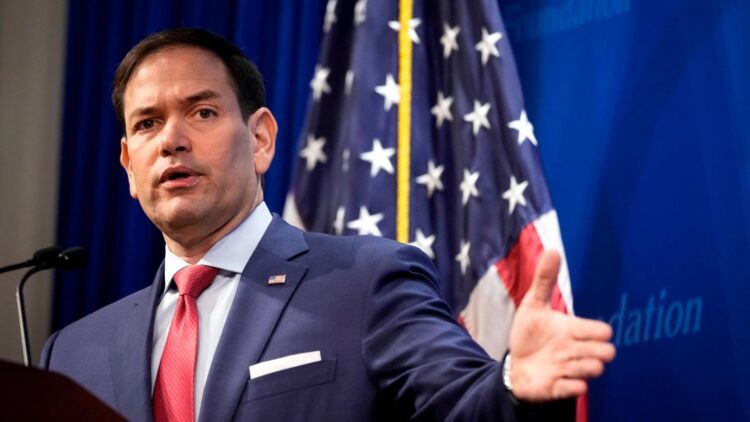
In a rare and closely watched move, U.S. Secretary of State Marco Rubio delivered a classified briefing on Iran to senior lawmakers on 24 February 2026, underscoring growing tensions between Washington and Tehran and the strain within U.S. politics over how to respond.
The session involving key congressional leaders hours before President Donald Trump’s State of the Union address comes as the United States has significantly bolstered its military presence in the Middle East amid unresolved negotiations and rising concerns about Iranian nuclear ambitions and regional influence.

AD: Capeesh Restaurant
The White House convened the briefing with the “Gang of Eight” a select group of congressional leaders and intelligence committee chairs from both major parties to outline the current intelligence picture and potential U.S. options as talks with Iran are set to resume later this week.
Rubio was joined by CIA Director John Ratcliffe, adding to the seriousness with which the administration is treating the situation.
With the possibility of military action still under discussion and diplomatic efforts ongoing, the briefing was intended to give lawmakers a deeper understanding of the stakes and the intelligence driving U.S. policy decisions. But it also highlighted clear divisions within Congress over how forcefully the United States should respond to Iran’s behaviour.

AD: Oysterian Sea Food Restaurant And Bar
Rubio’s briefing marked one of the most significant closed‑door diplomatic engagements with Congress on Iran in years, occurring at a moment when U.S.-Iran tensions have spiked and diplomatic channels have shown limited progress.
According to multiple reports, the session brought together leaders from the House and Senate, including top figures from the intelligence committees, and was designed to ensure that lawmakers were fully informed ahead of President Trump’s major policy speech.
The administration has deployed its largest naval and air forces to the Middle East since 2003, a buildup that includes multiple aircraft carriers and strike groups positioned near critical waterways.
This military posture coupled with Trump’s repeated ultimata demanding Iran curb its nuclear program and proxy militia support has fuelled speculation in Washington and abroad about the possibility of military action if diplomacy fails.
The briefing also took place against the backdrop of resumed negotiations in Geneva, where U.S. and Iranian officials are expected to discuss nuclear issues this week. While Tehran has shown some willingness to negotiate on its nuclear program, it has resisted broader U.S. demands to curb ballistic missile development and end support for proxy groups across the Middle East.
Lawmakers who attended the session emerged with sharply differing interpretations of the administration’s intentions and the information presented.
On one hand, proponents of a more robust posture say the briefing helped clarify the threats posed by Iran’s nuclear and missile capabilities and reinforced the need to confront Tehran’s regional activities. On the other hand, critics argue that the administration has not provided a compelling strategic rationale for potential military action.
Among those voicing scepticism was Rep. Jim Himes, the top Democrat on the House Intelligence Committee, who said he was “deeply concerned about possible U.S. military action related to Iran,” asserting there has been “no clear justification for launching another conflict in the Middle East at this time.”
His remarks reflected broader unease among some lawmakers about America’s entanglement in foreign wars and the heavy costs such actions have previously exacted.
Republican lawmakers also offered mixed responses. Some expressed support for a stronger U.S. posture, while others cautioned against hasty military commitments without clear evidence of imminent threats a debate that mirrors wider divisions within the GOP itself. These divisions could shape congressional oversight and influence the parameters of any future authorisation for the use of force.
The U.S. administration has emphasised that diplomacy remains its first option, even as it prepares for all contingencies. A White House spokesperson reaffirmed that Trump is committed to negotiations but will consider other measures if diplomatic efforts falter and Iran does not meet U.S. demands regarding its nuclear and missile programs.
Critics of the administration’s approach have warned that rhetoric about military options could fuel instability and unintended consequences. The United States has already ordered non‑essential diplomatic staff to leave Lebanon a move directly linked to security concerns over escalating tensions with Iran highlighting the broader regional reverberations beyond Tehran and Washington.
At the same time, legislative efforts in Congress reflect a complex response to the crisis. Some lawmakers are pushing for checks on presidential war powers and demanding clearer congressional approval for any military action, while others are advancing bipartisan bills aimed at supporting human rights and internet freedom for Iranian citizens amid domestic repression in Tehran.
In the Senate, proposals to limit Trump’s authority to engage militarily without explicit congressional consent have gained traction among both Democrats and some Republicans, reflecting longstanding concerns about executive overreach in foreign conflicts.
Meanwhile, the broader geopolitical picture complicates prospects for a diplomatic breakthrough. Iran has consistently indicated it will not negotiate anything beyond its nuclear program, leaving U.S. demands on missile capabilities and regional influence unresolved.
Tehran’s position, combined with Washington’s ultimatum and military buildup, has increased the risk of miscalculations that could spiral into open conflict.
President Trump’s looming State of the Union address is expected to highlight the administration’s foreign policy priorities and may signal whether diplomacy or force will take centre stage in Washington’s strategy toward Iran.
With Congress now more closely informed after Rubio’s briefing, lawmakers from both sides will be watching closely for policy cues and potential implications for U.S. involvement abroad.
With his part, Rubio has long been a vocal critic of Iranian regional activities and a staunch advocate for confronting Tehran’s nuclear ambitions.
In previous roles, both as a senator and now as secretary of state, he has underscored Iran’s support for militant groups and the destabilising effects of its geopolitical ambitions. Though diplomatic channels remain open, Rubio’s hawkish stance may inform how the United States frames its next steps.
When U.S. balances diplomatic talks with military readiness, the briefing delivered by Rubio and Ratcliffe to Congress was a stark reminder of how close Washington may be to pivotal decisions involving Iran decisions that could have far‑reaching consequences for regional stability and American foreign policy.

AD: Heritage And Restaurant Lounge Bar