
By Ben Kerrigan-
The human cost of the war in Ukraine surged dramatically, with civilian casualties rising by at least 26% compared with the previous year, according to the United Nations and independent research organisations.
Deaths and injuries were driven by sustained bombardments, long-range missiles, and increasingly lethal drone strikes, highlighting the widening vulnerability of civilians far from the frontline.

AD: Capeesh Restaurant
Across cities from Kyiv to eastern Donetsk, families, aid workers, and international monitors confronted a grim reality: even as the war approaches its fourth year, civilian harm continues to climb, underscoring the failure of existing safeguards designed to protect non-combatants.
According to the United Nations Human Rights Monitoring Mission in Ukraine, between January and November 2025, at least 2,311 civilians were killed and 11,084 were injured. This marked a 26 percent increase in overall casualties compared with the same period in 2024, when 1,979 civilians were killed and 8,616 were injured.
Experts emphasised that these figures reflect only verified cases and that the true toll may be even higher, particularly in contested or occupied regions where access remains limited. Nevertheless, the official tallies reveal the extent of suffering endured by ordinary Ukrainians caught in the crossfire of an escalating war.

AD: Oysterian Sea Food Restaurant And Bar
Experts attribute the surge in civilian casualties in 2025 to intensified attacks on urban centers and critical infrastructure. Missile strikes and loitering drones increasingly targeted energy networks, railways, and residential districts far from the frontline, contributing significantly to civilian deaths and injuries.
In November alone, long-range attacks were responsible for over half of all civilian casualties, with 92 people killed and 509 injured.
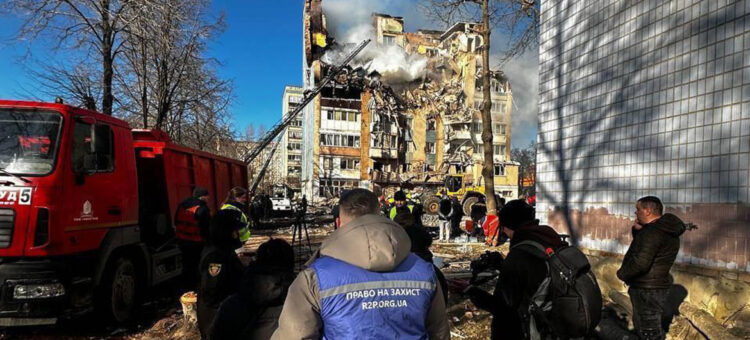
One of the deadliest single events occurred on 19 November 2025 in the western city of Ternopil, where a missile struck a residential building, killing at least 38 civilians and injuring nearly 100 others. First-person-view drones also became a frequent cause of harm, particularly in areas near active combat lines.
These small, hard-to-detect devices struck vehicles, streets, and public spaces, challenging traditional defensive measures and making everyday life increasingly dangerous for civilians.
The intensification of attacks has had broader consequences, disrupting essential services across Ukraine. Repeated strikes on power grids and heating facilities left millions without reliable electricity and warmth, particularly during winter months, exacerbating the vulnerability of children, the elderly, and displaced families.
Humanitarian agencies warned that the increased use of long-range missiles and drones in populated areas reflects a broader erosion of the distinction between military targets and civilian life, a fundamental principle of international humanitarian law.
The Numbers and Human Stories Behind the Toll
The UN’s civilian casualty data for January through November 2025 paints a stark picture. Verified deaths reached 2,311, with 11,084 people injured, compared with 1,979 deaths and 8,616 injuries in the same period in 2024.
This year-on-year increase of 26 percent reflects a growing pattern of harm. Long-range missile strikes were responsible for more than half of all casualties in November alone, and attacks occurred across multiple oblasts, from frontline regions in the east to cities that had previously been considered relatively secure.
In March 2025, the UN documented 164 civilians killed and 910 injured, a fifty percent increase from February and a 71 percent rise compared with March 2024. Analysts pointed to a combination of drone and artillery strikes as the primary drivers of this spike. This trend demonstrates how the conflict’s evolving nature has made civilian areas increasingly unsafe, even far from active combat lines.
Beyond numbers, the human impact is profound. Families in cities like Kharkiv, Zaporizhzhia, Donetsk, and Kyiv describe the daily uncertainty of life under continuous threat. Many recount nights spent in bomb shelters, windows reinforced against strikes, as the rumble of missiles and drones becomes a constant backdrop.
Children and elderly citizens are particularly vulnerable, and emergency responders are stretched to their limits, struggling to provide care and evacuations amid relentless attacks.
Even cities that had been relatively safe in previous years have experienced deadly strikes. These attacks on residential blocks and public transport hubs underscore how the reach of modern warfare threatens populations far from active battlefronts. Repeated disruption of electricity, heating, and other essential services intensifies civilian suffering and highlights the inadequacy of current protective measures.
The international response has been one of concern and urgent appeals for greater civilian protection. The UN has repeatedly urged all parties to adhere to international humanitarian law and avoid the use of explosive weapons in populated areas.
While global attention has raised awareness, funding for humanitarian operations has fluctuated, leaving some of the most vulnerable populations at heightened risk of harm and long-term displacement.
Analysts note that the trend of rising civilian casualties in Ukraine reflects a shift in modern conflict dynamics, where long-range precision weapons and unmanned systems increasingly make traditional civilian protections difficult to enforce.
Humanitarian experts emphasise that this evolution demands renewed attention to accountability, documentation of war crimes, and enforcement of norms designed to shield civilians.
This analysis makes it clear that civilian casualties in Ukraine are climbing at alarming rates, reflecting both the lethal tactics employed in the conflict and the erosion of protective norms. With verified deaths exceeding 2,300 and injuries surpassing 11,000 in just eleven months, 2025 stands as one of the deadliest years for non-combatants in the war.
Experts and international organisations continue to call for stricter adherence to humanitarian law, improved civilian protection measures, and heightened accountability for indiscriminate attacks.
They emphasise that the principles of distinction and proportionality, long enshrined in international law, are being repeatedly violated in Ukraine, leaving non-combatants exposed to unnecessary and preventable harm.
The United Nations, along with the International Committee of the Red Cross, has repeatedly urged all parties to the conflict to cease targeting civilian infrastructure such as residential buildings, schools, hospitals, and public transport hubs.
These agencies argue that the repeated destruction of basic services, especially during winter months, not only causes immediate casualties but also exacerbates long-term suffering, including the displacement of families, loss of livelihoods, and heightened risks to mental and physical health.
Humanitarian and human rights experts have also highlighted the need for more robust monitoring and documentation of civilian harm. Detailed reporting enables the international community to identify patterns of abuse, distinguish between deliberate attacks on civilians and collateral damage, and hold those responsible to account.
Without rigorous documentation, incidents of unlawful targeting risk being obscured or underreported, denying justice to victims and allowing perpetrators to operate with impunity.
Advocacy groups have repeatedly called for independent investigative mechanisms with unrestricted access to conflict zones, arguing that the presence of impartial observers can deter violations and provide crucial evidence for future prosecutions under international criminal law.
In addition to international oversight, experts emphasise the critical importance of preventive measures on the ground. This includes reinforced shelters, secure evacuation routes, early-warning systems for incoming missile or drone strikes, and the dissemination of clear safety instructions to civilian populations.
Local authorities and humanitarian organisations are increasingly called upon to coordinate these measures, as timely intervention can significantly reduce casualties. At the same time, policymakers are urged to impose legal and diplomatic consequences for indiscriminate attacks, ranging from targeted sanctions against responsible individuals to referrals to international courts for prosecution.
Only a combination of strengthened legal accountability, proactive protection strategies, and sustained international pressure, experts argue, can meaningfully mitigate civilian harm and prevent the war from continuing to escalate in both lethality and indiscrimination.

AD: Heritage And Restaurant Lounge Bar