
By Lucy Caulkett-
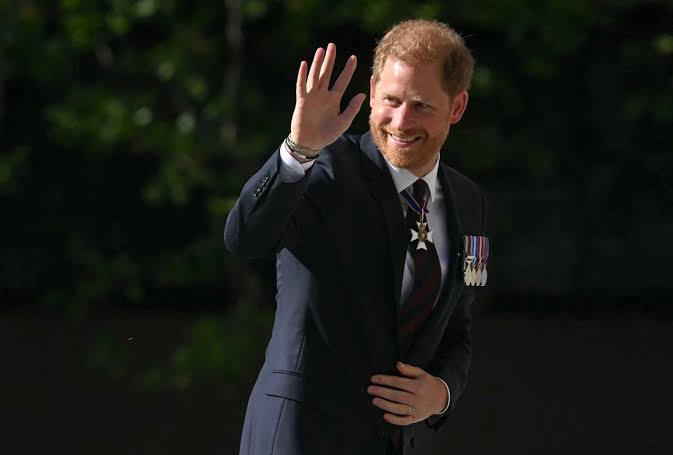
Prince Harry has returned to the United Kingdom for a series of charity engagements, but what was expected to be a visit focused on veterans, philanthropy and the countdown to the next Invictus Games has instead been dominated by fresh questions about his relationship with the Royal Family.
The Duke of Sussex arrived in Britain without Meghan, Duchess of Sussex, or their children after an unexpected disagreement emerged over accommodation at Buckingham Palace, reigniting public scrutiny of the ongoing tensions between Harry and the monarchy.

AD: Capeesh Restaurant
The latest controversy centers on conflicting accounts regarding an invitation for the Duke to stay at Buckingham Palace during his visit. A spokesperson for Prince Harry said the offer of accommodation had been formally accepted after alternative security arrangements were made, only to be withdrawn “at the last moment.”
Buckingham Palace, however, has presented a different version of events, maintaining that Harry failed to respond before the required deadline and that logistical considerations made it impossible to host him after his delayed acceptance. The disagreement has once again highlighted the strained relationship between Prince Harry and the institution he stepped away from more than six years ago.
Even though both sides acknowledge that discussions over accommodation took place, the conflicting explanations have created yet another public dispute between the Duke and Buckingham Palace, with each side defending its handling of the arrangements.

AD: Oysterian Sea Food Restaurant And Bar
Harry’s visit comes at a particularly sensitive time. Alongside scheduled appearances connected to the Invictus Games and several charitable organisations, the Duke is also awaiting a High Court judgment in his legal case against Associated Newspapers Limited, the publisher of the Daily Mail. According to Harry’s representatives, the timing of that legal decision was cited as one of the reasons the accommodation offer was withdrawn, despite Buckingham Palace already being aware of the court schedule. It was reported that palace officials instead attributed the issue to missed deadlines and logistical planning rather than legal concerns.
The accommodation dispute unfolded just hours before Harry’s arrival in London, quickly becoming one of the most closely followed royal stories of the week. Reports suggested the invitation had originally extended to Meghan and their children, Prince Archie and Princess Lilibet, who would have been making their first family visit to Britain in several years. However, security concerns ultimately resulted in Harry traveling alone, while his wife and children remained in California.
Security has remained a central issue in Prince Harry’s relationship with the United Kingdom since he and Meghan stepped back from official royal duties in 2020. Following the removal of taxpayer-funded police protection for the couple, Harry has repeatedly argued that private security arrangements cannot fully replace official protection when visiting Britain. The dispute has led to several legal challenges and has influenced the family’s decisions about returning to the UK.
The Duke’s spokesperson said Harry spent the previous week arranging alternative private security before formally accepting the offer to stay at Buckingham Palace. According to that statement, the withdrawal came only after those arrangements had been finalized, leaving Harry disappointed by what his representatives described as a last-minute change.
Buckingham Palace sources, however, insist preparations for royal accommodation require advance notice and staffing arrangements that could no longer be accommodated after the deadline had passed. Despite the renewed attention surrounding his relationship with Buckingham Palace, Prince Harry’s official schedule remains centered on charitable work. The Duke is expected to participate in events promoting the one-year countdown to the 2027 Invictus Games, which will be hosted in Birmingham.
Founded by Harry in 2014, the international sporting competition supports wounded, injured and sick military personnel and veterans from around the world. In addition to Invictus-related engagements, Harry is expected to meet representatives from several charities with which he has maintained long-standing relationships, including WellChild and Scotty’s Little Soldiers. His office has emphasised that these commitments remain the primary purpose of the trip, despite widespread media attention surrounding accommodation and family matters.
Nevertheless, the circumstances surrounding the visit have inevitably drawn attention back to the wider state of relations within the Royal Family. Harry’s relationship with King Charles III and his brother, Prince William, has remained strained following the publication of his memoir Spare, a series of television interviews, and the Sussexes’ decision to leave royal duties.
Although King Charles continues to undergo treatment for cancer while carrying out public engagements, there has been no confirmation that father and son will meet during this visit. Royal observers note that scheduling constraints, official duties and ongoing sensitivities surrounding Harry’s legal proceedings all complicate the possibility of a private reunion.
The timing of Harry’s arrival has further intensified media interest because it coincides with the expected judgement in his legal action against Associated Newspapers Limited. Harry is among several high-profile claimants alleging unlawful information gathering by the publisher, allegations that the company has denied.
Buckingham Palace sources reportedly expressed concern that hosting Harry at a royal residence while the judgement was being delivered could create constitutional complications or perceptions of royal involvement in an ongoing legal matter. Harry’s representatives dispute that explanation, arguing palace officials had known about the court timetable well before the accommodation arrangements changed.
The latest disagreement illustrates a broader pattern that has characterised relations between Prince Harry and Buckingham Palace since the Duke and Duchess of Sussex relocated to North America. Public statements issued by both camps frequently present different interpretations of the same events, leaving royal watchers attempting to reconcile competing narratives.
In this instance, Harry’s spokesperson described the withdrawal of the accommodation offer as unexpected and disappointing after it had already been accepted. Palace officials, by contrast, maintain that Harry initially declined the invitation and only attempted to accept it after preparations had become impractical. Neither side disputes that discussions occurred, but they fundamentally disagree over the sequence of events that led to the cancellation.
Royal historians suggest such disputes are significant because they reflect the increasingly public nature of communication between the Sussexes and Buckingham Palace. Matters that might once have remained private are now often addressed through official statements, anonymous palace briefings and responses from Harry’s representatives, contributing to continued public fascination with the relationship between the Duke and the monarchy.
With Harry, the visit also underscores the practical challenges that accompany each return to Britain. Questions surrounding accommodation, security arrangements and legal proceedings have repeatedly overshadowed charitable work that otherwise would dominate his schedule.
While his commitment to the Invictus Games remains widely recognised across the political spectrum and among veterans’ organisations, media attention continues to focus heavily on the ongoing tensions with the Royal Family. It remains unclear whether this visit will produce any meaningful progress in repairing fractured family relationships, as the duke continues his arrangements to travel in the United Kingdom.
What is certain is that the disagreement over Buckingham Palace accommodation has once again placed the personal dynamics of Britain’s most famous family under an international spotlight. Whether the differing accounts ultimately fade into another chapter of royal disagreement or become a catalyst for renewed dialogue remains to be seen. Prince Harry’s trip back to Britain highlights that even occasions meant to honour charitable efforts can swiftly be eclipsed by lingering issues of trust, dialogue, and reconciliation among the House of Windsor.

AD: Heritage And Restaurant Lounge Bar