
By Charlotte Webster-
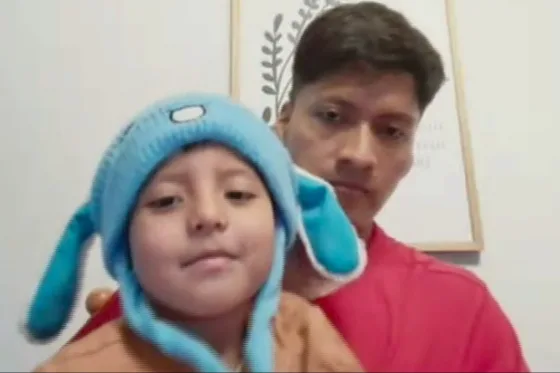
In the months since he and his father were detained by U.S. Immigration and Customs Enforcement, five‑year‑old Liam Conejo Ramos has been living with a fear no child should know, his parents and teachers report.
The Minneapolis preschooler, who became a poignant symbol of America’s immigration enforcement after photos of him in his blue bunny hat and Spider‑Man backpack circulated nationally, now “worries all the time” about being taken away again, his parents told CBS News in their first extensive interview about the ordeal.

AD: Capeesh Restaurant
Liam’s family was detained by ICE agents on January 20 as he and his father returned from preschool in Columbia Heights, a suburb of Minneapolis.
The boy and his father, Adrian Conejo Arias, were held for nearly two weeks at a family detention centre in Texas before a federal judge ordered their release. A viral image of Liam being held by an officer that day thrust the case into the spotlight and reignited a national debate over immigration policy and enforcement.
Since returning home, Liam’s parents say their son is not the carefree kindergartner he once was. Liam now regularly sees a child psychologist, they said, struggling with anxiety and behavioural changes that reflect the trauma of his detention.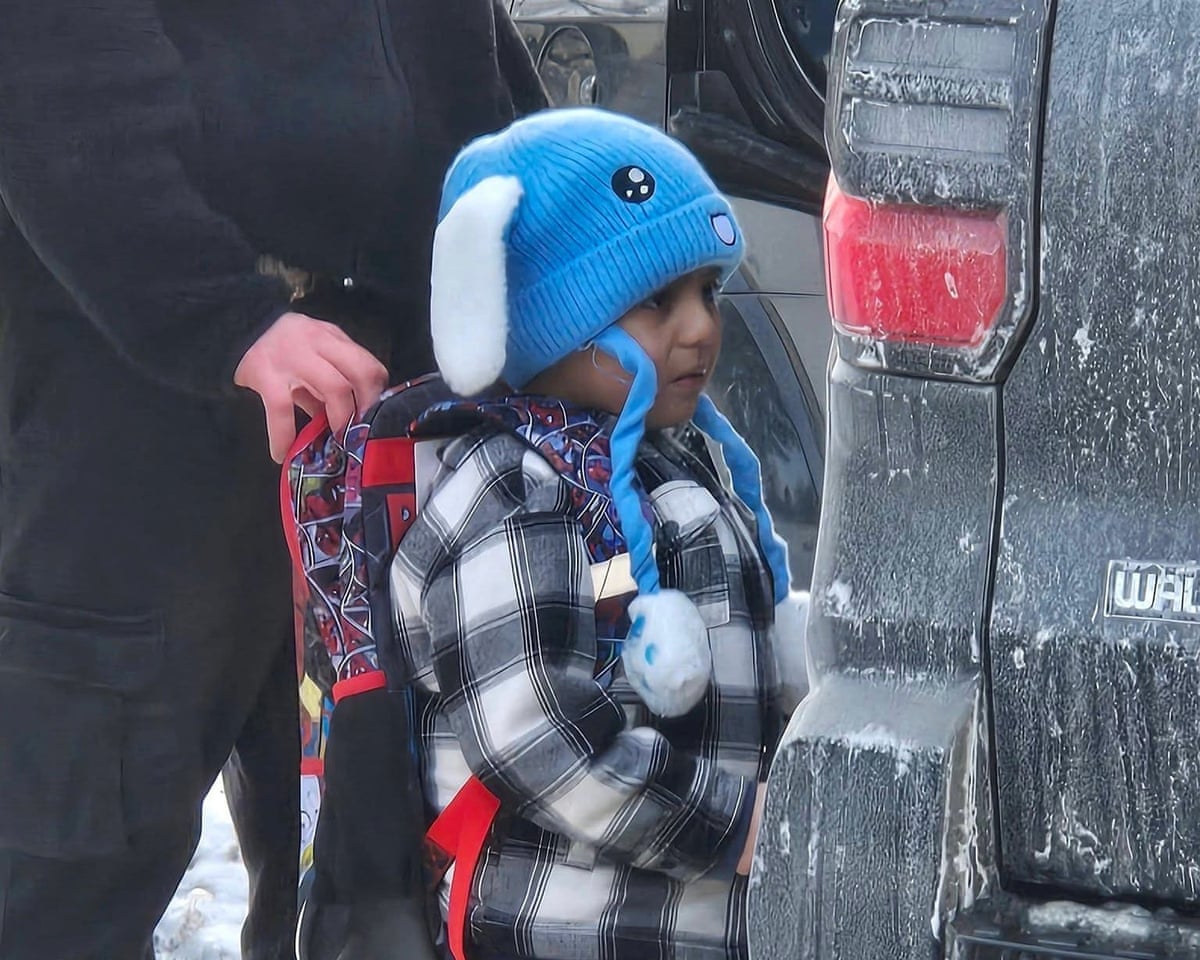

AD: Oysterian Sea Food Restaurant And Bar
His mother, Erika Ramos, told reporters that he sees police officers and instinctively thinks “It’s ICE, Mommy,” and that he has become withdrawn and hyper-vigilant, often refusing to attend certain school activities out of fear.
The psychological toll on Liam is part of a broader pattern noted by child advocates and experts who study the effects of detention and deportation on young people. Exposure to law enforcement at such a formative age can result in long‑term emotional and developmental problems, according to mental health specialists.
Though the family was released, the uncertainty around their immigration status continues to loom large over their lives, compounding the boy’s distress.
Liam’s father admires his son’s resilience but fears the lasting impact that detention will have on him. “He’s very different,” Conejo Arias said in Spanish through an interpreter, describing how his son has become more prone to acting out and is less interested in the friendships and activities he once enjoyed.
The family has been seeking asylum in the United States, a process that remains unresolved. Recent legal setbacks have further jeopardised their case, with federal authorities terminating their asylum claim and appealing the order that initially secured their release.
The family’s experience highlights the dilemma facing many immigrant communities caught between enforcement actions and the pursuit of safety or opportunity in the U.S. Ahead of their detention,
Mr. Conejo Arias and his family entered the country with permission under a programme designed for asylum‑seekers, according to reporting, yet they have since faced the harsh reality of enforcement policies that treat families and children as part of deportation quotas.
Local educators have also weighed in on the emotional fallout. Liam’s teachers and school administrators have noticed a shift in classroom dynamics since his detention made national news.
Some students and families have expressed fear and confusion, and educators have scrambled to provide support amid broader concerns about school safety and community trauma related to immigration enforcement operations in the region.
State and national lawmakers have criticised the detention of a young child, calling it emblematic of an overly aggressive immigration policy.
The case prompted a federal judge to sharply reprimand the government’s enforcement practices, characterising the detention as poorly conceived and harmful. While that ruling led to Liam’s release, it did not end the family’s legal battle or the administration’s pursuit of deportation.
During the two years, immigration enforcement in the United States has been a deeply polarising issue. Under the current administration, critics argue that the increased use of raids and detentions, particularly in family and community settings, has eroded trust and inflicted trauma on vulnerable populations, especially children.
Since the start of this administration’s second term, immigration data shows a significant rise in the number of minors held in detention centres compared with previous years, prompting concerns from advocacy groups about the psychological and physical well‑being of detained children.
Despite being back home, Liam’s parents say the fear remains with him. They describe a boy who no longer sleeps soundly and who clings to routines out of an instinctive worry that he could be taken again. The bunny hat once a cheerful accessory has become a poignant reminder of that day in January when federal agents arrived in their neighbourhood.
Liam’s parents are trying to provide a sense of normalcy and reassurance to their son, but the uncertainty surrounding their immigration status and the possibility of renewed enforcement hangs over their family. They have expressed a deep desire to remain in the United States, not only to protect their children from future detention but to build a stable life free from fear.
The story of Liam Conejo Ramos has resonated far beyond his Minneapolis community. Advocacy organisations, immigrant rights groups and lawmakers across the political spectrum have used his experience to spotlight the human cost of immigration enforcement policies.
Some argue that Liam’s case should be a catalyst for legal and policy reforms aimed at ensuring that children are not swept up in enforcement actions that can have lifelong consequences.
While the family awaits further developments in their legal proceedings, the question of how to balance enforcement with compassion and protection for families remains a flashpoint in U.S. politics.
Liam’s parents have made clear that what they want most is what any parent wants: the chance for their child to grow up without fear, to play, learn and imagine a future full of possibility rather than worry about being taken away again.
In towns and cities across America, the images of Liam in his bunny hat last January are recalled not just as a news moment, but as a symbol of the broader debate over immigration and the children affected by it. For now, though he is back home, his parents say that every day is a reminder of that moment and a hope that it will one day be far behind him.

AD: Heritage And Restaurant Lounge Bar