
By Tim Parsons-
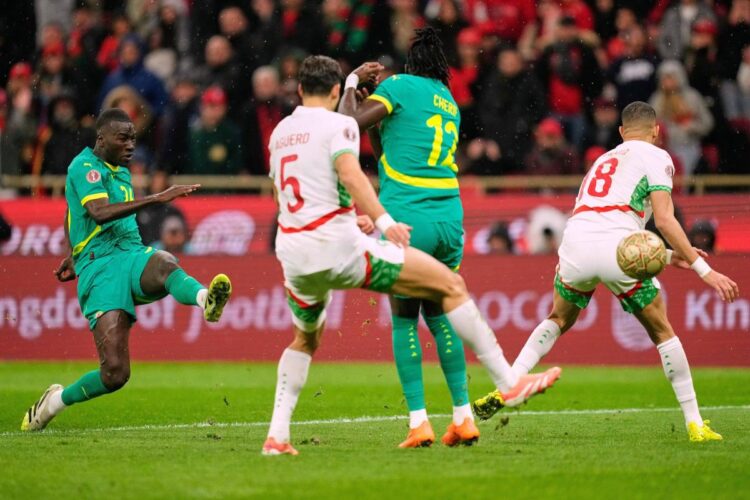
In an unprecedented turn of events, Morocco has been declared the 2025 Africa Cup of Nations champions after the Confederation of African Football (CAF) stripped Senegal of the title. The decision, announced late on 17 March 2026, followed an appeal regarding the final match in Rabat last summer, which Senegal originally appeared to win 1‑0 after extra time. The ruling has sent shockwaves through African football, leaving players, fans, and officials grappling with the fallout from one of the sport’s most extraordinary decisions.
CAF’s statement cited Senegal’s decision to walk off the pitch in protest at a controversial late penalty awarded to Morocco as the primary reason for overturning the result. “The appeal board has reviewed the incident and concluded that Senegal violated match protocol, thereby forfeiting the final,” the official communiqué read.

AD: Capeesh Restaurant
With a result, CAF has officially recorded the final score as a 3‑0 victory for Morocco, a decision that immediately reshapes the historical record and leaves Senegal without a championship for the first time since the 2025 tournament began.
The ruling has prompted intense discussion across the continent. Football analysts, journalists, and former players are debating not just the fairness of the CAF decision but the broader implications for sportsmanship, governance, and African football’s credibility on the world stage.
Fans of both nations have taken to social media in droves, with hashtags like #AFCONControversy and #MoroccoChampions trending across multiple platforms.

AD: Oysterian Sea Food Restaurant And Bar
The drama began during the final match held in Rabat, when Senegal, leading most of the game, walked off the pitch following what they described as a “questionable” penalty awarded to Morocco in the dying minutes.
Live footage captured players and coaching staff visibly protesting the referee’s decision, delaying the conclusion of the match and ultimately prompting CAF to convene an emergency appeal review.
Observers noted that Senegal’s reaction was fuelled by a perception of repeated controversial officiating during the tournament, but CAF’s appeal panel ruled that abandoning the match violated the competition’s regulations.
The board emphasised that while refereeing errors can be disputed, teams are obliged to complete matches and follow formal protest procedures rather than leaving the field. Analysts suggest this sets a precedent that could influence how African teams handle grievances in future tournaments.
Morocco, who had previously been runners-up in the 2019 and 2021 AFCON finals, now officially claim their third continental championship, a title they last won in 2017. CAF confirmed that all tournament records, including individual player awards and statistics, will be adjusted to reflect the new outcome.
Players and staff from Morocco, who had initially been runners-up in the emotional final, expressed elation mixed with a sense of relief that their efforts were formally recognised.
With Senegal, the ruling is a bitter blow. Many supporters feel their team’s performance on the field should have determined the championship, regardless of the protest. Former Senegal captain Sadio Mane expressed disappointment in media interviews, saying, “We fought hard on that pitch. To have the result taken away because of one moment feels harsh, but we respect the CAF process.”
Implications For African Football And Sports Governance
Beyond the immediate shock and emotional responses, the CAF ruling raises larger questions about governance, enforcement, and precedent in African football.
Setting a clear standard that walking off the pitch leads to forfeiture, CAF signals that administrative authority and rule adherence will take precedence over in-the-moment controversies. Legal and sports scholars suggest this could encourage tighter procedural compliance but also spark debates about how refereeing standards are monitored and the fairness of penalties applied retroactively.
This development also casts a spotlight on fans and media behaviour. During the original final, social media erupted with accusations and emotional commentary from both sides, highlighting how quickly football narratives can escalate in the digital age.
Analysts argue that such an environment amplifies pressure on officials and players alike, and that governance bodies like CAF may increasingly rely on post-match tribunals to resolve disputes.
With Morocco, the ruling is both a triumph and a challenge. While officially crowned champions, the shadow of controversy means the victory will always carry an asterisk in the eyes of some observers.
The Moroccan Football Federation has emphasized the need for the win to be a springboard for further investment in youth development, coaching infrastructure, and continental engagement, aiming to reinforce the legitimacy and sustainability of their success.
Meanwhile, CAF faces the difficult task of maintaining credibility and transparency following the controversial 2025 Africa Cup of Nations final, which saw Senegal briefly walk off the pitch in protest of refereeing decisions and VAR rulings before play resumed and later disciplinary actions were taken.
Critics argue that delayed enforcement of rules and post‑match decisions can diminish the immediacy and emotional closure of match outcomes, a concern highlighted in legal and sports governance commentary around the fallout from the Senegal–Morocco controversy.
Defenders, however, emphasise that thorough post‑match reviews and disciplinary procedures are essential to uphold fairness and the integrity of the tournament.
In response to the incident, CAF issued formal statements and sanctions, with President Patrice Motsepe affirming respect for disciplinary outcomes and a continued commitment to discipline, adherence to regulations, and integrity in African football competitions.
The ruling has already prompted governments and sports ministries across Africa to engage in policy discussions about dispute resolution, officiating standards, and tournament oversight. Observers suggest that future AFCON editions may see more formalised protocols for player protests and clearer guidance for referees to prevent similar incidents.
Ultimately, the 2025 AFCON final will be remembered not merely for the football played on the pitch, but for the far-reaching implications that extended well beyond the stadium. The match became a vivid illustration of how rules, governance, and public perception intersect in modern sport.
While Morocco’s triumph has been officially recognised, the final will be remembered as much for the controversy surrounding it as for the goals, tactics, and skill displayed.
Senegal’s brief walk-off, the post-match protests, and the subsequent disciplinary actions all highlighted the delicate balance that football authorities must maintain between upholding regulations and preserving the immediacy and emotional closure that fans expect.
This final underscored that victories are inseparable from the framework that governs fair play, and that the credibility of a tournament depends as much on the effectiveness of its governance as on the performances of its teams.
CAF’s handling of the events from issuing sanctions to publicly reaffirming its commitment to integrity and transparency demonstrated the complexities of administering a high-stakes competition while managing public scrutiny and passionate stakeholders.
Critics argued that delayed enforcement of rules risks undermining the immediacy and drama of sport, while defenders emphasised that thorough reviews are necessary to ensure fairness, accountability, and long-term legitimacy.
Beyond the immediate controversy, the 2025 AFCON final will remain a case study in the challenges facing African football: balancing competitive excitement with institutional credibility, and navigating the fine line between discipline and public perception.
Morocco may have lifted the trophy, but the story of the tournament its drama, debate, and enduring questions about fairness and governance will continue to resonate across African football.
Fans, players, and officials alike are likely to reflect on this moment for years, as it serves both as a reminder of the stakes of elite competition and the importance of transparent, consistent oversight in shaping the legacy of the beautiful game on the continent.

AD: Heritage And Restaurant Lounge Bar