
By Tim Parsons-
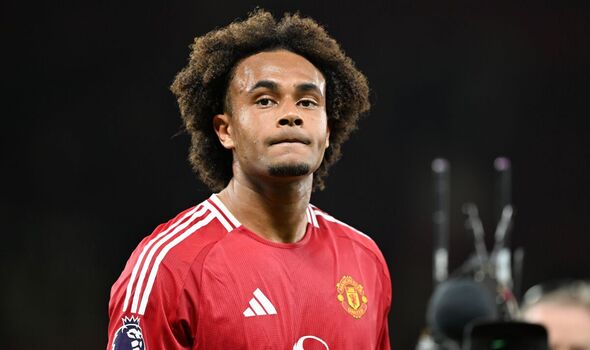
Manchester United’s early season has offered a mixture of promise and caution. Recently the team extended an unbeaten run to four matches, which included the 2‑2 draw away at Nottingham Forest on 1 November 2025—showing resilience and attacking spark, but also conceding early second‑half goals that hint at defensive vulnerabilities.
Head Coach Rúben Amorim now oversees a squad in transition. While the Reds look more composed and energetic compared to recent seasons, questions remain about consistency, defensive cohesion and ability to challenge at the very top. With the Premier League full of long campaigns and demanding matches, United’s next fixtures—such as a Monday night home clash vs Everton on 24 November and away visits to Crystal Palace at the end of the month—are vital.

AD: Capeesh Restaurant
For fans and analysts alike, the test is no longer just about top‑four finish or trophy challenge—it’s about showing genuine progress, avoiding the pitfalls that stunted recent campaigns, and turning potential into results.
Behind the scenes, United’s transfer strategy appears under review. Reports indicate that in the January window the club may not bring in major incomings, despite external interest in squad members such as midfielder Kobbie Mainoo and forward Joshua Zirkzee.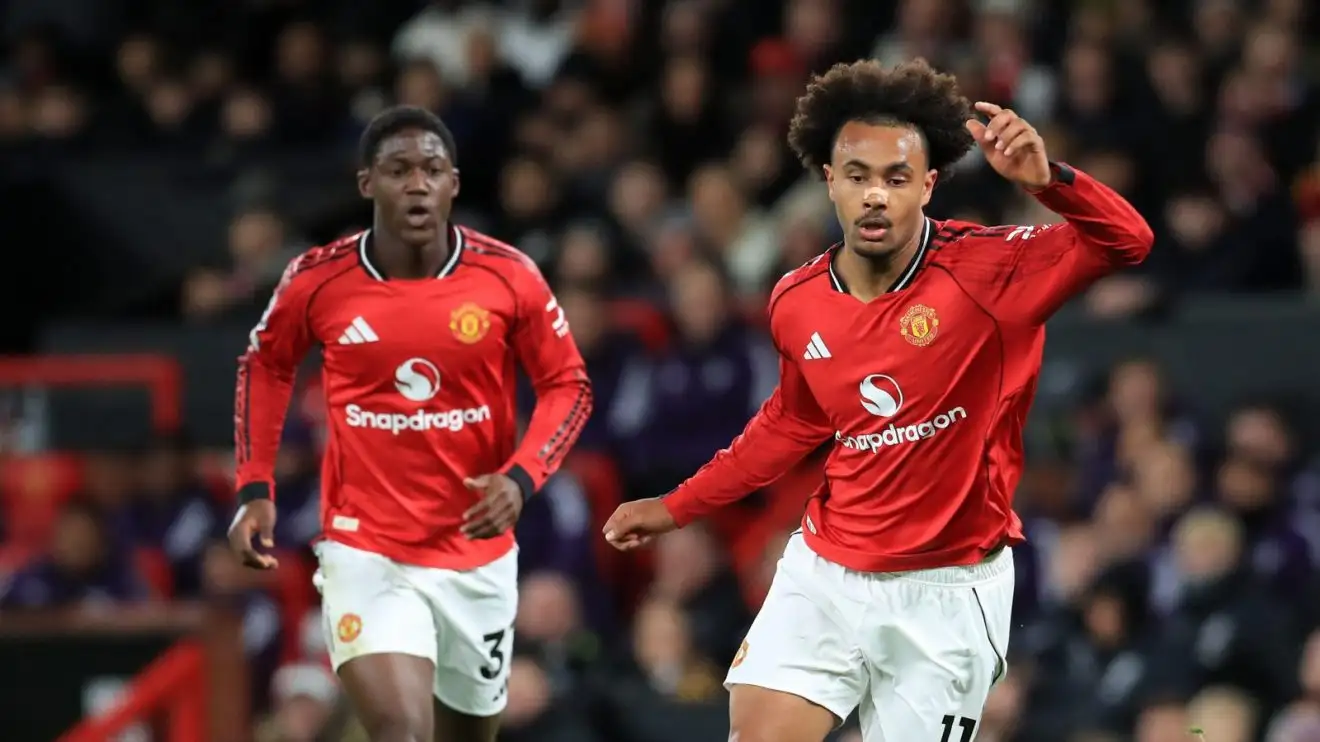
Kobbie Mainoo and Joshua Zirkzee

AD: Oysterian Sea Food Restaurant And Bar
Bringing in players remains part of the long‑term plan, but immediate activity may be muted. The club is rumoured to be eyeing a major midfield acquisition for the summer rather than mid‑season, suggesting a more cautious, strategic approach to building the squad—rather than reactive spending.
This measured approach can be seen as part of a broader reform under ownership and management, perhaps prioritising sustainability, optimization and youth integration over headline‑making purchases.
Off the pitch, the saga of Manchester United’s finances and institutional overhaul continues. Under co‑owner Sir Jim Ratcliffe and his investment vehicle, the club is undergoing significant change. Cuts to non‑playing staff, restructuring, possible redundancy programmes and facility upgrades at the training ground all reflect a push for stability and long‑term viability. 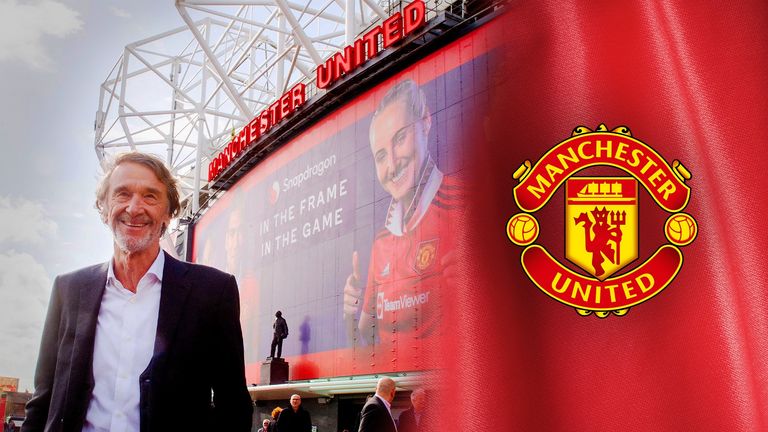
Part-owner of Manchester United : Sir Jim Ratcliffe
The club faces considerable inherited burdens, such as debt and legacy cost structures, while simultaneously needing to compete in one of the world’s most competitive leagues. Football finance experts warn that without reform, recovery will be difficult.
Despite the heavy off‑field focus, the challenge remains aligning investment and operating decisions with on‑field results—anything short of that risks fan disillusionment and invites criticism about direction and ambition.
Infrastructure & Club Identity
Part of United’s future blueprint lies in infrastructure and identity. Plans for a potential new stadium or major redevelopment of their historic home have been surfaced by media outlets, creating excitement as well as concern about cost, timeline and impact.
For many supporters, Old Trafford is more than a stadium—it is part of club tradition, culture and legacy. Balancing modernisation (fundraising, building new facilities, global expansion) with heritage (fan engagement, local roots, match‑day experience) is crucial.
The club has also announced changes in operations—such as stricter social‑media policies for staff, and increased focus on internal content control—to ensure brand consistency and protect its image in a digital era.
Such reforms reflect a more corporate mindset but risk alienating fans if they feel less connected or that the club’s spirit is changing. Building stronger engagement without losing soul is an increasingly important challenge.
Manchester United boasts one of the largest global supporter bases in world football. Expectations are high—titles, big games, European nights. When results don’t align with ambition, hype quickly turns into frustration.
Recent seasons of underperformance have made patience a scarce commodity. Fans expect improvement; structural changes mean little unless translated into progress on the field. The accountability gap between board, management and supporters is narrowing.
Maintaining fan trust will require transparent communication, visible signs of improvement and closer alignment between strategy and fan experience. Whether through better match‑day services, deeper youth involvement, or improved media access, identity matters.
The squad has shown glimpses of promise, but uneven performances and lack of defensive solidity remain a concern. The team campaign has been inconsistent for the last season . Ever since they lost in the finals of the Europa league against Tottenham, it has been by far Manchester United’s. worst Minor setbacks like the occurrence of injury in the team often affects the team performance . Manchester United has been going down hill because of the pressure for players to perform to a high standard consistently.
Balancing reform and cost‑control in relation to investment in talent is challenging, especially under the rising wages and transfer fees of footballing stars in the team.
Manchester United is clearly in a transition phase. The combined demands of performance, profit, infrastructure and identity are immense. Success will require coherence across boardroom, training ground and fan community.
As the season progresses, every result will be dissected not just for three points—but for signs of genuine change. The future of one of football’s greatest clubs may depend as much on momentum off the pitch as it does on momentum on it.
For fans, the message is hopeful: there are signs of structure, of strategy, of ambition. But hope is not enough. The challenge now is turning that into delivery—understanding that the next step is as important as the long climb back to the summit.

AD: Heritage And Restaurant Lounge Bar