
By Sammy Jones-
In an extraordinary story of compassion, community and unexpected connection, a local journalist in Essex has stepped far beyond the newsroom to give a teenage girl a second chance at life by donating one of her kidneys. The heart‑warming saga began with a desperate plea in the pages of a local newspaper and culminated in a life‑saving transplant that has dramatically transformed the young patient’s outlook.
What started as a simple appeal for help became a profound human story of altruism and hope.

AD: Capeesh Restaurant
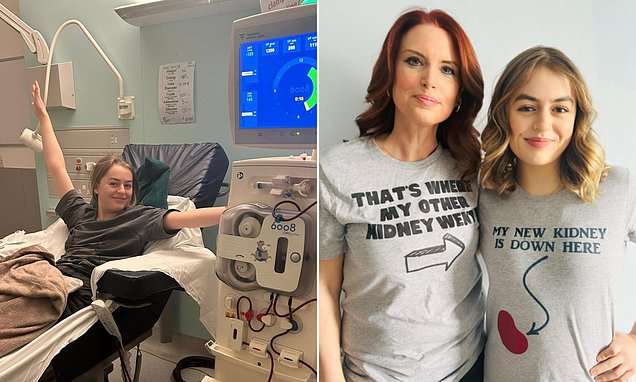
Sixteen‑year‑old Maya Solecki of Hadleigh had been battling severe kidney failure after suffering significant organ damage from an E. coli infection in early 2024, a condition that left her reliant on dialysis and in urgent need of a transplant.
With no suitable donors within her immediate family and time running short, Maya’s mother, Maria, turned to her town’s newspaper the Echo in March 2025 in a bid to widen the search for a match. In a twist that still feels surreal to those involved, the journalist assigned to cover her story, Emma Palmer, turned out to be a compatible donor.
The transplant procedure took place in January, and Maya’s health has improved significantly in the months since. In her own words, the teenager said she feels “the best I’ve felt since I initially got ill,” though she acknowledges she will continue to manage a chronic condition for the rest of her life.

AD: Oysterian Sea Food Restaurant And Bar
Her mother described the reaction to discovering that the journalist she first contacted was the life‑saving match as “incredulous,” a mixture of disbelief and overwhelming gratitude.
The road to finding a suitable donor was long and emotionally draining. After the newspaper appeal went out, dozens of people came forward for testing, yet none proved to be a match until Emma’s results came back compatible.
Maria recalls that the specificity of tissue and blood‑type matching can be incredibly difficult to achieve, and that the pool of potential donors often shrinks rapidly once all tests are taken into account.
Emma, 51, who had spent years reporting on local life and community issues, said she felt compelled to act when she learned of the family’s ongoing struggle and the toll that dialysis and illness had taken on Maya.
“I’ve had 50 good years and am blessed with a wonderful and healthy family,” Palmer said, explaining that she couldn’t stand by knowing a young life was slipping away. “To think that a 15‑year‑old girl as she was at the time was having to go through so much and giving up hope just really got to me,” she added.
Transplants of this nature where a living donor gives a kidney to someone they do not know personally are rare but not unheard of. Across the UK, living organ donation has helped many patients emerge from long periods of dialysis and return to more active, fulfilling lives.
Stories shared by organisations like NHS Organ Donation highlight how other individuals have also given kidneys to strangers, transforming lives in the process and offering powerful examples of human generosity.
With Maya, waking up after the transplant marked a turning point. The teenager had endured months tethered to a dialysis machine, a painstaking routine that is physically and emotionally exhausting.
Katie, another kidney transplant recipient featured by NHS Blood and Transplant, described her eight‑year struggle on dialysis before receiving a life‑changing kidney from a stranger a testimony echoed in many others’ narratives that highlight just how profound the impact of living donation can be.
Since the surgery, Emma and the Solecki family have formed a close bond, describing their relationship as almost familial. Maya’s mother expressed her hope that Emma “remains part of Maya’s life forever,” a sentiment that isn’t merely ceremonial the bond of someone who literally gave organ and life creates deep, enduring connections.
The emotional weight of the moment was palpable when the two first fully embraced after the transplant. Maya, full of gratitude, has said repeatedly that she wishes there was a “bigger phrase than thank you” to encapsulate what Emma’s act means to her.
Her recovery is ongoing, but each day represents progress, and her quality of life today stands in stark contrast to the uncertainty and hardship she faced before the transplant.
Maria has also taken this moment to advocate for broader awareness around organ donation, urging others to consider living donation especially for young people in need.
The wait for a donor kidney in the UK can often stretch to years, and patients may deteriorate significantly while they wait. Though individual circumstances vary, the message is clear: signing up as a donor and encouraging more people to get tested can save lives.
In encouraging others to explore organ donation, Maria referenced the stark reality that some children and teenagers wait over three years for a kidney transplant, during which time the emotional and physical challenges of chronic illness can weigh heavily on both patients and families.
The Soleckis’ experience propelled by community support and now cemented in a story of extraordinary kindness underscores the very real human impact behind every medical statistic.
Emma, for her part, hopes that her choice will inspire others to think about what they could do if put in a similar position. She has emphasised that, medically, people can live healthy lives with one kidney, and that the process has its rewards far beyond the surgical theatre. “Why wouldn’t I?” she asked when reflecting on her decision to donate.
Doctors involved in the transplant procedure have noted that living donations often lead to excellent outcomes, both for physical health and for emotional well‑being. Patients like Maya who receive kidneys from living donors typically experience shorter wait times and can avoid prolonged periods tethered to dialysis, which can be both psychologically and physically draining.
Organisations encouraging organ donation point to stories like Emma and Maya’s as powerful examples of how individual choices can ripple outward, touching entire communities and revealing the transformative potential of selflessness.
In the end, this remarkable tale born from a simple newspaper appeal stands as a testament to the remarkable impact one person can have on another’s life. It challenges communities to think differently not just about journalism, but about the potential for human generosity when people are truly moved to act.
While Maya continues her recovery and looks toward a future she once feared she might never see, the bond between her and her donor remains a profound reminder of how hope, compassion, and a willingness to help can change lives forever.

AD: Heritage And Restaurant Lounge Bar