
By James Simons-
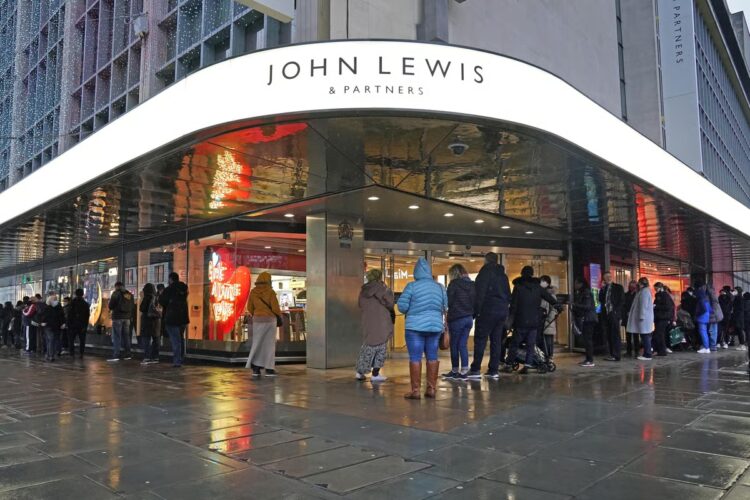
In a bold move signalling both reinvention and ambition, John Lewis is set to dramatically expand its insurance business after securing approval as a regulated insurance broker from the Financial Conduct Authority (FCA). This milestone marks a significant turning point for the iconic, employee-owned retailer, historically celebrated for its department stores and customer-centric ethos, as it increasingly ventures into the complex and fiercely competitive UK financial services sector.
Analysts see the move as part of a broader strategy to diversify revenue streams, strengthen customer loyalty, and leverage the trusted John Lewis brand in a space where reputation and reliability carry substantial weight.

AD: Capeesh Restaurant
The decision comes at a time of broader transformation within the Partnership. In a recent strategic recalibration, John Lewis announced it was exiting its high-profile build-to-rent property initiative a project once intended to deliver thousands of homes across the UK.
Launched amid optimism that a trusted household brand could bring stability and transparency to the private rental market, the venture ultimately fell victim to rising construction costs, shifting market conditions, and broader economic uncertainty.
When stepping away from property development, the company signaled a willingness to focus on core competencies and areas where it can have the greatest impact, turning its attention to financial services as a sector with long-term growth potential.

AD: Oysterian Sea Food Restaurant And Bar
Experts suggest that broker status will give John Lewis Money the flexibility to offer a wider range of products, partner with multiple insurers, and provide customers with more tailored and competitive options, from home and car insurance to travel and pet coverage.
To a company rooted in decades of consumer trust, this expansion represents more than just a financial pivot it is a statement of intent: John Lewis is not only preserving its legacy but also seeking to redefine it for the modern age, bridging the gap between retail familiarity and financial expertise.
Becoming a regulated broker enables John Lewis Money to move beyond offering single‑provider insurance products and instead partner with a panel of insurers, giving it the flexibility to tailor competitive pricing, customise coverage and expand offerings across multiple lines of business.
Previously, the financial arm of the retailer worked with limited third parties to distribute products a model that limited customer choice and diluted competitive pressure.
With broker authorisation now in place, industry insiders say John Lewis Money can present consumers with more personalised options in home, car, pet and travel insurance, with plans to launch new home and car insurance products later this year.
James Mack, director of John Lewis Money, described the development as a key step in aligning the firm’s offerings with long‑standing customer trust in the brand.
“People have long placed their trust in us, and this move allows us to offer a broader range of cover to meet their needs,” he said, adding that independence from a “one‑size‑fits‑all” approach will benefit customers seeking value and protection tailored to their circumstances.
Industry partners are likewise upbeat; executives at Axa have praised the expansion, highlighting how collaboration with a trusted household name could unlock greater access to insurance protection for customers across the UK.
John Lewis Money already counts more than 1.4 million active customers across its financial products, including credit cards, loans and travel money services, creating a sizeable built‑in audience for its expanded insurance portfolio.
The decision to double down on insurance comes amid a broader strategic reset at John Lewis. Only weeks ago, the retailer announced it was withdrawing from its build‑to‑rent property development business a pivot back towards core competencies after inflationary pressures and elevated construction costs made residential development less viable.
The withdrawal was confirmed in a statement citing “a fundamental shift in economic conditions” that eroded the financial logic of large‑scale build‑to‑rent projects.
The rental home effort, which had attracted attention from housing advocates and industry analysts alike for its consumer‑focused ethos, will now transition toward potential third‑party developers who may take on planning permissions and projects that John Lewis originally secured.
According to a spokesperson for the Association for Rental Living (ARL), the retreat from build‑to‑rent marks a disappointing moment for a business that had been seen as bringing a ‘trusted consumer brand’ into long‑term rental services. The ARL noted that while the Partnership did not fail in execution, shifting macroeconomic forces necessitated a rethink of priorities.
The broader context reflects a balancing act faced by many UK businesses: the need to manage legacy retail operations while building new revenue streams that can thrive in a changing financial landscape.
John Lewis has, in recent years, wrestled with balancing department store operations, online fulfilment challenges, and diversification efforts that include everything from financial services to property investment.
Industry commentators see the insurance pivot as a natural extension of John Lewis’s brand equity. While consumer trust has become a scarce commodity in financial services, the company’s positioning rooted in customer advocacy and perceived value could give it a competitive edge in areas where brand trust affects purchasing decisions.
Analysts also suggest that brokering relationships with multiple insurers allows the company to innovate more rapidly than if it remained tied to single‑provider arrangements.
However, not all observers are sanguine. Some commentators on social media have questioned whether the expansion into insurance will address deeper challenges within the Partnership, particularly around staff relations and workforce morale.
In recent years, discussions have surfaced online about operational restructuring, outsourcing and the complexities of maintaining the company’s traditional staff‑owned model while competing in fast‑moving markets.
Further complicating the picture, the wider UK insurance market continues to evolve rapidly. Big insurers such as Aviva have reported notable increases in operating profits and market share following major acquisitions that expand their personal lines offerings a trend that underscores the competitive pressure firms like John Lewis Money will face as they scale up.
Still, for customers, the most immediate impact may be felt from the broader choice and competitive products that broker status brings. If the John Lewis brand can successfully bridge its retail trust with financial services agility, the expansion could become a defining chapter in the Partnership’s evolution.
With the financial services arm rolls out expanded products through 2026, it will be seen as both a test of brand power and a bellwether for how legacy UK retailers can carve out space in adjacent sectors. For now, the company insists that customers stand to benefit most with more choice, more competitive pricing and insurance products that reflect diverse needs in an uncertain economic environment.

AD: Heritage And Restaurant Lounge Bar