
By Lucy Caulkett-
In what might be the most surreal twist in the evolution of online gambling yet, punters are now placing real money bets on… road traffic.
Instead of betting on a horse to win or a team to score, some gamblers are predicting how many cars will pass through a junction on a live CCTV feed turning everyday urban congestion into a high‑stakes pastime.

AD: Capeesh Restaurant
The industry calls it innovation, but critics call it degenerate. And for many, it’s another sign that the global gambling market has blurred the lines between luring players and exploiting them.
Welcome to Rush Hour, the newest betting format gaining traction on online casino platforms, where the chaos of city streets becomes the next front in the relentless expansion of wagering markets.
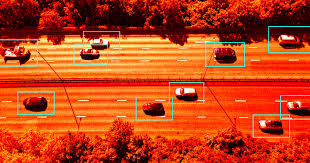
The concept is simple, almost absurdly so: players log into a gambling site, tune into a live CCTV feed from a major city such as London, Tokyo or New York, and bet on whether the number of vehicles passing through an intersection over a short time window will be above, under, or exactly at a number they choose. Behind the scenes, artificial intelligence counts the cars, buses, bikes and pedestrians, and payouts are decided in real time.

AD: Oysterian Sea Food Restaurant And Bar
This isn’t just a quirky side product. Operators like Stake, Roobet and Shuffle have integrated Rush Hour into their offerings, and industry reports suggest the format is attracting millions of views and bets worldwide.
A recent high‑profile case even saw a streamer turn a live traffic prediction into a six‑figure payout, illustrating both the game’s popularity and its risky allure.
To proponents, this is just another evolution in the gaming world: more immersive, more data‑driven, and a fresh way to engage players who have grown restless with traditional slots and sports markets. Some operators portray Rush Hour as a blend of reality TV, predictive markets and online gaming a “next generation” betting experience rooted in real life rather than computer‑generated randomness.
But to others including addiction specialists and gambling reform advocates betting on live traffic marks a troubling new low.
Degenerate Innovation Or Harmless Fun
Critics argue that the move toward betting on mundane, real‑world events like road traffic reflects how far the gambling industry has strayed from traditional sport and chance‑based games. Once confined to horse races and football matches, wagering markets have proliferated into almost every imaginable niche, driven by mobile technology and an insatiable demand for “live” betting options.
In‑play betting where transactions happen as events unfold now accounts for a growing majority of the global market, with some estimates suggesting it makes up over 60 % of all sports wagers.
What was once a technological convenience letting people bet on a game as it happens now appears to be pushing ever further into everyday life. Betting on traffic sits alongside other predictive markets that let users speculate on outcomes as disparate as weather patterns, financial movements, or even whether a celebrity will appear on a TikTok livestream.
The innovation in Rush Hour comes from its use of live feeds and machine vision to determine outcomes. Because the results are driven by actual events not random number generators operators market it as more “transparent” and engaging than traditional casino games.
However, critics counter that this is merely a veneer, citing the same underlying risk patterns and structural incentives that have raised alarms across the gambling sector.
Research into live and in‑play betting has found that features designed to increase engagement such as rapid settling times, constant updates, and the ability to bet in real time are also associated with increased risk of gambling harm. Players can make repeated decisions in quick succession, which can exacerbate problem betting behaviours and make losses more rapid and difficult to control.
In the UK and elsewhere, this shift has sparked concern among regulators and public health experts. Wagering markets have expanded far beyond their original sporting roots, into territories that once might have seemed ludicrous or even unethical. Betting on red lights and traffic speed has opened up fresh questions about where if anywhere gambling should stop in its pursuit of novelty.
Some industry defenders argue that such games are voluntary entertainment, no different from a social wager among friends about who will be stuck in traffic longest. But for many advocates of tighter gambling regulation, the trend is symptomatic of deeper problems in an industry that thrives on pushing boundaries and capturing attention sometimes at the expense of wellbeing.
Part of the appeal of traffic betting for both operators and players is accessibility. Unlike traditional sports or casino formats, anyone with a smartphone and a stable internet connection can place a wager in seconds.
There’s no need to understand team tactics or game rules; you’re simply guessing how busy a road will be in the next minute. With the industry, this widens the potential customer base and keeps players engaged with fast‑paced, low‑friction gameplay.
With high‑risk players, however, this hyper‑accessibility is exactly the problem. The constant opportunity to place fresh bets, with short feedback loops and instant results, mirrors behavioural markers linked to gambling harm.
The very features that make games like Rush Hour appealing immediacy, immersion, short cycles are those associated with increased loss chasing and compulsive betting patterns.
In countries like the United Kingdom, where online gambling has boomed in recent years, the regulatory environment is still struggling to keep up. Existing laws and advertising rules were mostly crafted before the online and mobile revolution, and the proliferation of live, unconventional betting markets has outpaced policy updates.
Allegations of lax enforcement and regulatory loopholes have dogged the industry, even as researchers warn of an expanding array of gambling harms affecting communities across the country.
A study on gambling advertising during live football, for example, highlighted tens of thousands of ads transmitted during broadcasts, raising concerns about pervasive messaging reaching vulnerable audiences.
Now, with real‑world traffic feeding into betting markets, those debates are entering new terrain. Is there a line between a harmless speculative game and a harmful lure? And if so, where should regulators draw it?
But for critics, this evolution underscores the need for stronger safeguards and clearer boundaries. Betting on something as mundane as traffic might seem absurd to outsiders, but its popularity highlights a deeper question: how far should gambling be allowed to follow players into every corner of daily life? And at what point does innovation in gaming become exploitation?
Whether regulators act sooner or later, one thing is clear: the gambling world’s journey from sports arenas into street junctions reflects a broader trend in the digital age one where attention, engagement, and profit often trump restraint.

AD: Heritage And Restaurant Lounge Bar