
By James Simons-
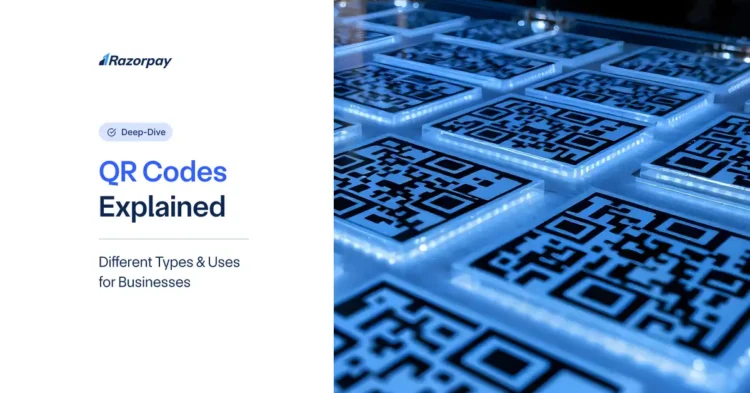
Quick Response (QR) codes have become an everyday part of modern life. Whether paying for parking, ordering food at a restaurant, downloading an app or making a charitable donation, millions of people scan the familiar black-and-white squares without a second thought.
Their convenience has transformed the way consumers access services, but cybersecurity experts are warning that the same technology is increasingly being exploited by fraudsters in a rapidly growing form of cybercrime known as “quishing” – QR code phishing. Unlike traditional phishing attacks, which rely on suspicious emails or fake websites, quishing uses fraudulent QR codes to lure victims into visiting malicious websites or downloading harmful software. Because the destination website remains hidden until after the code is scanned, many users lower their guard, believing the technology itself is secure.

AD: Capeesh Restaurant
Law enforcement agencies across Europe, North America and Asia have reported a noticeable increase in QR code-related fraud over the past two years. Criminals are placing counterfeit QR code stickers over legitimate ones on parking meters, restaurant tables, ticket machines and public information boards.
Unsuspecting users scan the code expecting to pay for a service, only to be redirected to convincing imitation websites designed to steal banking details, passwords or other personal information.
Cybersecurity analysts say the simplicity of the scam is one of its greatest strengths. Producing a fake QR code requires little technical knowledge, while replacing a genuine code with a counterfeit sticker can take only a few seconds. In busy public spaces, the alteration may go unnoticed for days before being discovered. One of the fastest-growing targets has been public parking facilities. Motorists arriving in unfamiliar towns often rely on QR codes displayed on parking machines to make quick contactless payments.

AD: Oysterian Sea Food Restaurant And Bar
Fraudsters have exploited this behaviour by covering legitimate payment codes with fake versions linked to fraudulent payment portals. Victims believe they are paying for parking when, in reality, they are handing over their card details directly to criminals. Restaurants have also become vulnerable. Since the COVID-19 pandemic accelerated the use of digital menus, QR codes have become commonplace on café and restaurant tables. Criminals have begun replacing genuine menu codes with links that either harvest personal information or encourage users to download malicious applications disguised as menu software. Charities are another area of concern. During fundraising campaigns, fake QR codes have appeared on posters and collection boxes, diverting donations away from legitimate organisations and into criminal-controlled accounts. Because donors often assume the codes have been verified by organisers, many fail to notice anything unusual until much later.
Experts warn that smartphones, despite their sophisticated security features, are not immune. Once a malicious website opens, users may unknowingly enter usernames, passwords, banking credentials or one-time authentication codes into pages designed to closely resemble legitimate organisations. In some cases, victims are persuaded to install applications that give criminals remote access to their devices. Artificial intelligence is making the problem even more difficult to detect. Fraudsters are increasingly using AI tools to create highly convincing fake websites that replicate the appearance, branding and language of trusted companies with remarkable accuracy. Grammar mistakes and poor-quality design, once reliable indicators of online fraud, have become far less common.
Financial institutions are responding by strengthening fraud detection systems and introducing additional verification measures for digital payments. Banks are also investing in behavioural analytics capable of identifying unusual transactions before money leaves customers’ accounts. Nevertheless, experts caution that prevention remains far more effective than recovering stolen funds after a successful scam.
Consumer protection organisations recommend several simple precautions. Before scanning a QR code, users should examine whether it appears to have been placed over another code or shows signs of tampering. Where possible, customers should use official mobile applications or manually enter website addresses instead of relying solely on QR codes displayed in public places.
Many modern smartphones now display the destination website before opening it. Security specialists advise taking a moment to check the web address carefully. Misspelled company names, unusual domains or unfamiliar website extensions should immediately raise suspicion. If the destination appears different from the organisation expected, users should avoid proceeding. Businesses are also being encouraged to inspect publicly displayed QR codes regularly. Restaurants, retailers, transport operators and local councils increasingly conduct routine checks to ensure codes have not been replaced or altered. Some organisations are moving towards digitally generated QR codes displayed on electronic screens, making physical tampering considerably more difficult.
The growing popularity of contactless technology means QR codes are likely to become even more widespread in the coming years. They offer convenience, speed and low implementation costs, making them attractive for businesses and consumers alike. However, their success also makes them an appealing target for organised criminal groups constantly seeking new methods of deception. Police forces and cybersecurity agencies have intensified public awareness campaigns as reports of QR-related fraud continue to rise. Many stress that the technology itself is not inherently dangerous. Instead, the risk lies in treating every QR code as trustworthy without considering where it originated or what website it may lead to.
Education is increasingly recognised as one of the strongest defences. Schools, workplaces and community organisations are incorporating digital safety into wider cybersecurity training, helping people recognise that QR codes should be approached with the same level of caution as suspicious emails or unexpected text messages. Technology companies are also developing new protective measures. Some smartphone manufacturers are exploring enhanced warning systems that alert users when QR codes direct them to newly registered websites or domains with poor security reputations. Browser developers continue refining anti-phishing technology capable of detecting fraudulent websites before users submit sensitive information.
Despite these advances, cybersecurity professionals believe scammers will continue adapting their tactics. As public awareness grows around one type of fraud, criminals often develop new methods to exploit trust in emerging technologies. QR codes represent only the latest example of how convenience can inadvertently create opportunities for cybercrime.The best protection remains a combination of technology, awareness and healthy scepticism. Taking a few extra seconds to inspect a QR code, verify the destination website or use an official application may seem inconvenient, but those brief moments could prevent significant financial loss or identity theft. A small square printed on a sticker may look harmless, but behind it could lie a sophisticated scam designed to steal far more than a simple payment.

AD: Heritage And Restaurant Lounge Bar