
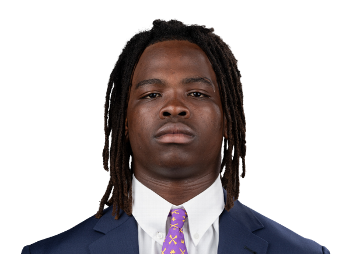
By Kenneth Williams-
Georgia safety Ja’Marley Riddle has been arrested on felony drug possession charges and a misdemeanor speeding offence following a traffic stop in Georgia, according to a police report, adding another off-field disruption for the Bulldogs football programme as it prepares for the upcoming season.
Riddle, a transfer from East Carolina who joined Georgia ahead of the 2026 campaign, was reportedly stopped last Friday after officers observed a vehicle travelling at approximately 95 mph and weaving through traffic on Interstate 95.

AD: Capeesh Restaurant
According to law enforcement accounts cited by multiple outlets, officers conducted a stop in Glynn County where they noted signs of nervous behaviour and detected the smell of marijuana coming from the SUV. The incident escalated after officers searched the vehicle following the traffic stop, during which they reportedly discovered a backpack containing a heat-sealed bag with packaging labelled as marijuana and vape products marked THC.
According to reports, the items were recovered after officers initiated the search based on observed traffic violations and suspected impairment, leading to further investigation inside the SUV. Riddle was subsequently charged with two felony counts possession of marijuana over one ounce and possession of a Schedule I controlled substance alongside a misdemeanour speeding charge, all stemming from the same incident as documented in the police report.
Authorities say Riddl posted bond on all charges and was released the same day from custody, according to detention records referenced in reporting. University officials have acknowledged the situation but said the program is still gathering information and will not provide further comment while the legal process is ongoing.

AD: Oysterian Sea Food Restaurant And Bar
Arrest Details And Immediate Fallout For Georgia Football
The arrest has once again placed scrutiny on Georgia’s football programme, which has faced repeated off-field incidents involving driving and legal issues in recent years. According to the police report obtained by local media and cited in national coverage, an undercover officer first clocked the vehicle at high speed before initiating a traffic stop, during which Riddle allegedly consented to a search of the SUV.
Inside the vehicle, officers reported finding what they described as packaged marijuana products and THC-related vape items, which formed the basis of the felony drug charges. Riddle, who had been expected to compete for playing time in Georgia’s secondary after transferring from East Carolina, has not yet publicly commented on the arrest.
The university issued a brief statement acknowledging awareness of the charges against Ja’Marley Riddle, saying it was “actively gathering additional information” while declining to provide further comment due to the ongoing legal process.
This type of response is consistent with how Georgia athletics typically handles player-related legal matters, with the program routinely issuing short acknowledgements while internal reviews and external proceedings are still underway.
The statement reflects a broader institutional approach in which the university limits public comment until more facts are established, particularly in cases involving criminal charges, while continuing to assess potential disciplinary action within team and compliance frameworks.
Riddle’s arrest comes as Georgia continues to navigate heightened attention on player conduct off the field, particularly in relation to traffic and substance-related incidents that have affected the programme in recent seasons. While head coach Kirby Smart has repeatedly emphasised discipline and accountability within the team culture, incidents involving players have remained a recurring issue that draws national attention.
Riddle’s status with the team remains uncertain, with disciplinary decisions typically pending internal review and consultation with university compliance officials. For now, the focus shifts to both the legal proceedings in Glynn County and how Georgia chooses to respond as it prepares for the upcoming football season.
The case adds another layer of uncertainty for a player who had been projected to contribute defensively after transferring into the program, and it underscores the broader challenges major college football teams face in managing high-profile rosters under intense scrutiny both on and off the field.
For Georgia, one of the most consistently elite programmes in college football, roster management has become as much about discipline and availability as it is about recruiting talent. The modern transfer portal era has allowed teams to quickly rebuild depth charts, but it has also increased turnover and reduced the time coaching staffs have to fully evaluate a player’s fit within the program’s expectations.
In Riddle’s case, he arrived with expectations of competing for rotational or starting minutes in the secondary, but his immediate availability now depends not on performance in spring or fall camp, but on the outcome of a legal process that could extend well into the season.
This uncertainty highlights a recurring tension in high-level college football: programs are expected to compete for national championships while also maintaining strict standards of conduct across increasingly large and transient rosters.
Coaches like Kirby Smart have repeatedly emphasised accountability and culture, yet even disciplined programmes are not insulated from off-field incidents that can quickly alter depth charts and defensive plans.
The situation also reflects the growing visibility of player behaviour in an era of constant media coverage and social media amplification. Incidents that might once have remained local police matters are now instantly national news, shaping public perception of both the individual athlete and the programme as a whole.
That scrutiny places additional pressure on universities to respond quickly and consistently, balancing due process with reputational concerns.
There is also the broader issue of player development and second chances, which continues to shape debates in college athletics. Programs frequently recruit athletes with the understanding that young players may still be adjusting to the expectations of a high-performance environment.
However, legal issues involving controlled substances and traffic violations often trigger more immediate administrative responses, reflecting both institutional policy and NCAA-era reputational risk management. With Riddle’s case moving forward, Georgia will likely continue to evaluate his status on a week-by-week basis, as is common in similar situations across major programmes.
But regardless of the eventual outcome, the episode serves as another reminder that in modern college football, roster stability is no longer determined solely on the field. It is shaped just as much by external pressures, personal conduct, and the growing intersection between sport, law enforcement, and public accountability.

AD: Heritage And Restaurant Lounge Bar