
By Gavin Mackintosh-
As the countdown to the final round of 11-plus entrance examinations gathers pace, hundreds of pupils across the United Kingdom are entering one of the most demanding and emotionally significant periods of their primary school education. For many 10-year-olds in Year 6, November and the weeks ahead represent the culmination of months of preparation, disciplined studying, parental encouragement and determination as they compete for places at some of the country’s most sought-after secondary schools.
With several prestigious independent schools and selective institutions preparing to conduct their entrance assessments, families are increasingly focused on ensuring that their children are academically, mentally and emotionally ready for the challenge. Although the 11+ examination is often regarded as a test of academic ability, the preparation involved extends considerably beyond completing mathematics questions or mastering English comprehension.

AD: Capeesh Restaurant
It requires consistency, concentration, resilience, independent thinking and the confidence to approach unfamiliar problems. Among the schools attracting attention during this final phase of the 2026 examination calendar are institutions such as St Paul’s School, St Paul’s Girls’ School, Trinity School in Croydon, the London 11+ Consortium schools, Reigate Grammar School and Eltham College. Their entrance arrangements demonstrate the considerable opportunities available to pupils seeking admission for September 2027, although their assessment schedules extend from November into December and January. many parents have had to resort to private tuition for their childrem with some taking up the responsibility to prepare their children themselves.
Some children are more fortunate if they already attend priamary schools with brilliant teachers who adequately prepare them for these exams in advance. Those in private schools who plan to switch tp fre grammar sachools , would be expected to have attained a high level of training up unti this point to prepare for the all important exams. Hundreds of applicants for the selection school system sat their 11 plus exams in september and October, since the time table varies for different schools. Pupils preparing for these all important exams are generally advised to study between 2-4 hours daily, although for those in the right habit of academic training, a two hour day study is enough.
For candidates applying through the London 11+ Consortium, the assessment is scheduled for November 27, December 1 and December 3, 2026. The consortium brings together several independent schools under a coordinated examination process, allowing candidates to sit one assessment regardless of the number of participating schools to which they apply. The examination is designed to assess mathematical and verbal ability alongside deeper thinking skills, making preparation involving reasoning, comprehension and problem-solving particularly important.

AD: Oysterian Sea Food Restaurant And Bar
At St Paul’s School, prospective 11+ candidates have an online assessment scheduled for November 14, followed by written examinations in English and mathematics on December 9 for those invited to the next stage. The school emphasises strong intellectual ability, an interest in academic study and commitment to activities beyond the classroom. This reflects the growing recognition among leading schools that successful pupils should demonstrate more than the ability to memorise information or perform well in conventional examinations.
St Paul’s Girls’ School also offers an interesting perspective on the preparation process. Its published admissions guidance explains that the school is looking for natural ability, curiosity and potential rather than candidates who have spent excessive amounts of time rehearsing examination material. It encourages children to remain relaxed, respond intuitively and enjoy engaging with the questions. This is an important reminder to parents that preparation should develop confidence and understanding rather than place unnecessary pressure on young children.
Meanwhile, Trinity School in Croydon is preparing for its September 2027 intake through an admissions process that considers both what candidates know and how they think. Its assessment combines computer-based testing and written papers, with successful candidates subsequently invited for an academic interview. The school places importance on pupils’ ideas, interests, ability to think laterally and potential to benefit from academic and extracurricular opportunities. Its approach illustrates why developing curiosity, communication skills and independent thought can be just as valuable as practising examination questions.
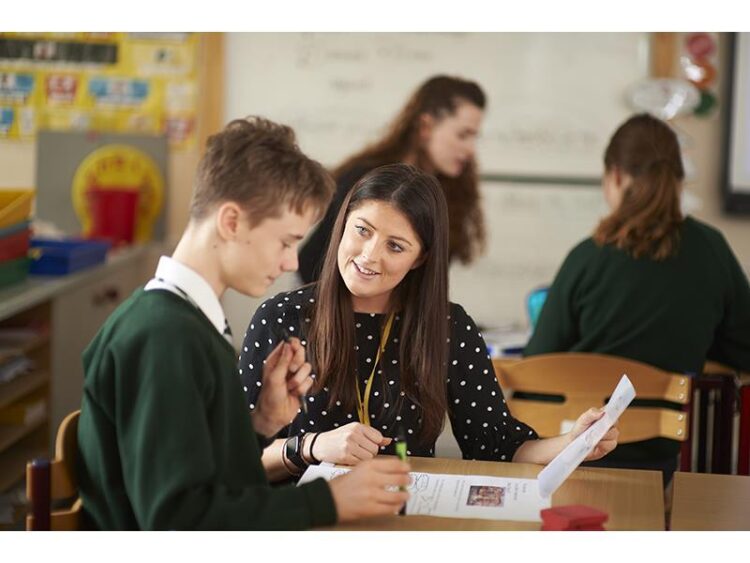
Behind every child preparing for these examinations is often a considerable support network. Parents and guardians may be organising daily revision schedules, providing suitable learning materials, arranging additional tuition where necessary and helping children identify areas in which they need improvement. Primary school teachers also play an important role by strengthening literacy and numeracy skills, encouraging independent learning and helping pupils approach challenging academic tasks with confidence.
For many families, preparation involves establishing a consistent routine that balances schoolwork, practice examinations, reading and sufficient rest. Mathematics exercises, vocabulary development, comprehension passages, verbal reasoning and non-verbal reasoning puzzles can all form part of a structured preparation programme. Equally important is reviewing mistakes, understanding why particular answers are incorrect and learning how to manage time effectively under examination conditions.
However, education specialists and schools alike recognise that excessive pressure can be counterproductive. At the age of 10 or 11, children still need opportunities to play, socialise, enjoy their hobbies and maintain a healthy balance between academic responsibilities and childhood. Encouragement, reassurance and positive reinforcement can make a significant difference, particularly when pupils begin to experience examination anxiety. The message for parents during this final stretch is therefore one of consistency rather than panic. Children should be reminded that their efforts, discipline and willingness to learn are achievements in themselves. A successful examination result can open doors to exciting educational opportunities, but it should never become the sole measure of a child’s intelligence, potential or future success.
The determination of these young candidates deserves recognition. Whether they secure places at St Paul’s, Trinity, Reigate Grammar, Eltham College or another institution, the habits they are developing through preparation, perseverance and parental support will remain valuable throughout their education.
For the final batch of 10-year-olds preparing to take their 11+, the coming weeks are an opportunity to demonstrate not only what they have learnt, but also how far they have progressed. Their journey is about ambition, hard work and the courage to embrace a challenge. Whatever the outcome, every child who approaches the examinations with commitment and confidence has already taken an important step towards a promising educational future.

AD: Heritage And Restaurant Lounge Bar